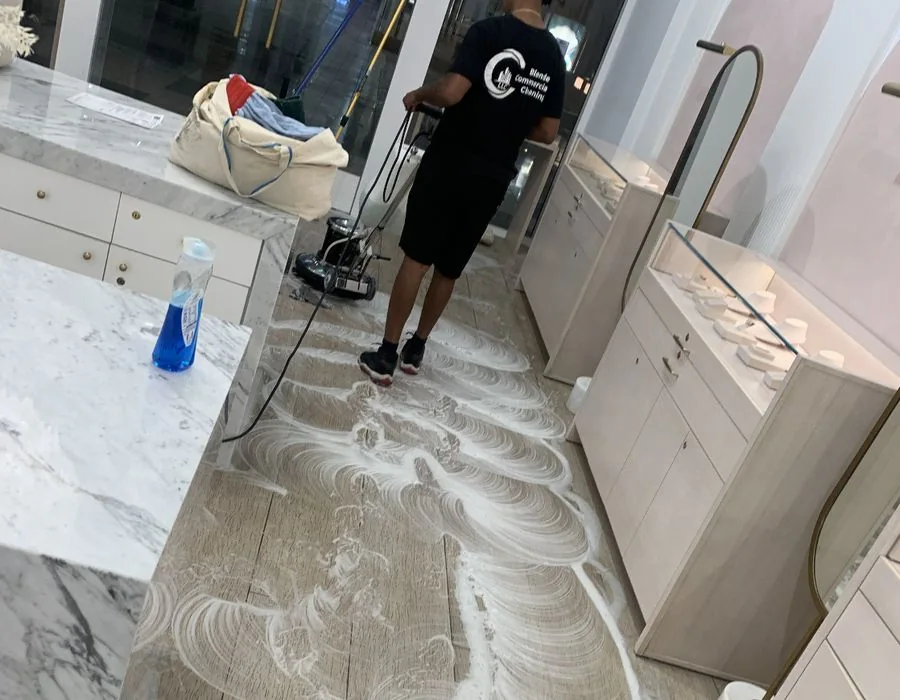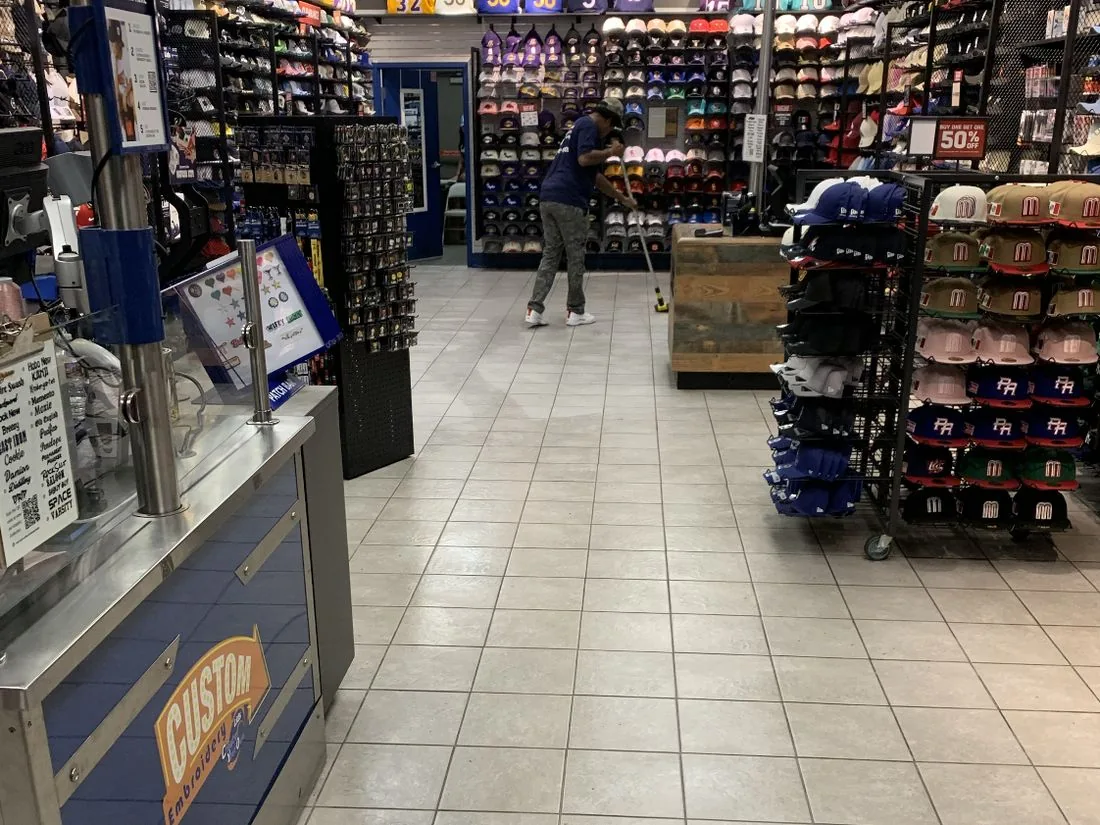
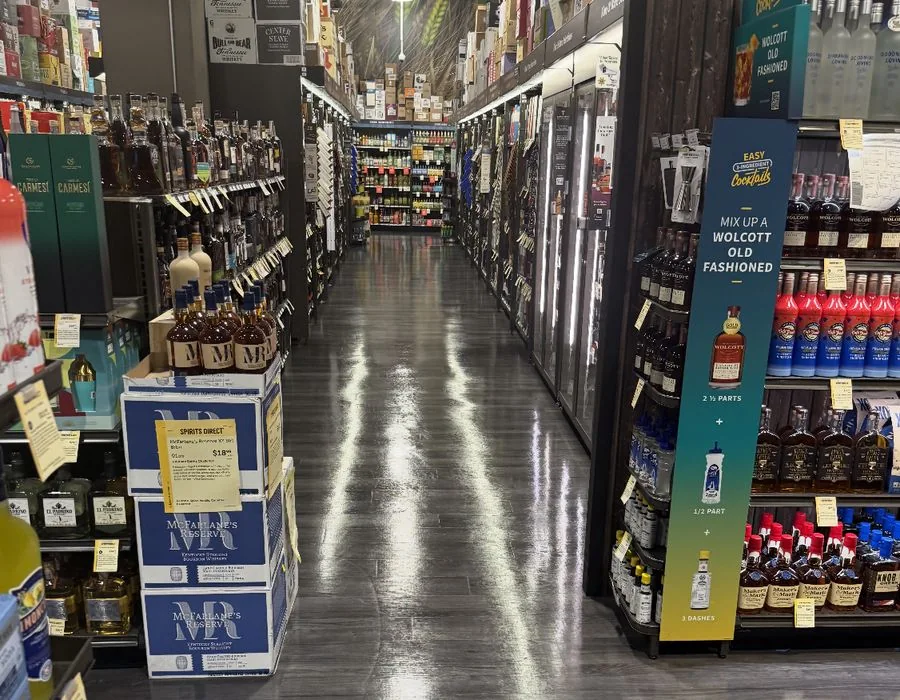
Build the routine around the customer path and staff path
Santa Monica’s city business resources identify several commercial districts, including Downtown and Main Street. For a business in a walk-in setting, the customer entrance can need a different routine from the rear door used by staff and deliveries. Both paths should be described in the janitorial scope.
Start with the rooms you are responsible for. A business may control its sales floor and restroom but share an upper landing, hallway or waste area. Confirm those boundaries with the property manager. District or building services are separate from the tasks agreed inside your business.
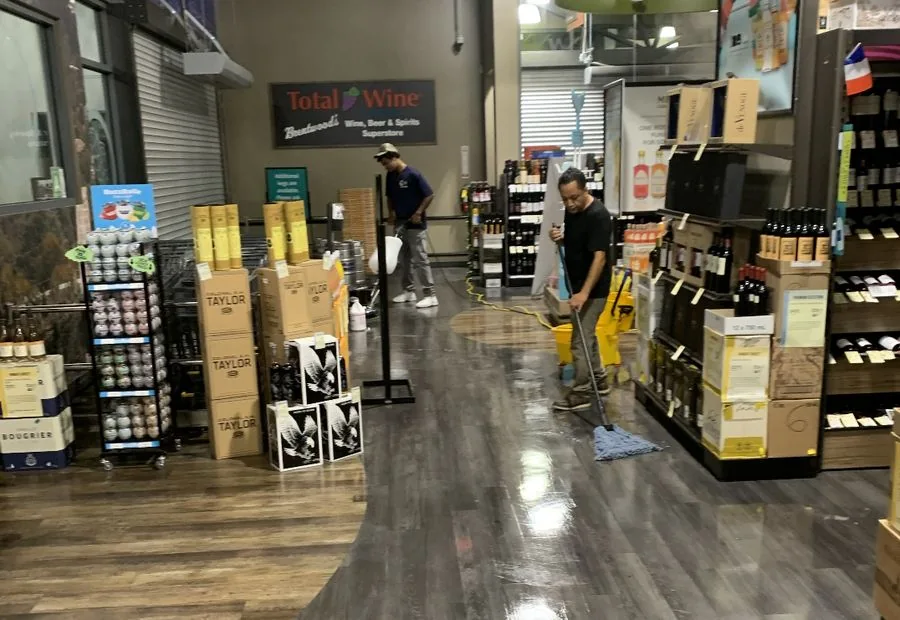
Name the opening-ready details
Think about the first staff member opening the door: entry glass should be handled as agreed, waste should be removed from the named bins and the restroom should have a clear cleaning and supply arrangement. A room-by-room list turns that expectation into work you can check.
- Entrance: reachable door glass, handles, threshold and mat area.
- Customer space: accessible floor paths and clear agreed surfaces.
- Back office: specified waste, accessible dusting and floor cleaning.
- Staff area: sink, counters, tables and approved appliance surfaces.
- Restrooms: fixtures, mirrors, dispensers, contact points and floors.
Scroll sideways to see all columns.
| Walkthrough item | Suggested scope | Preparation or decision |
|---|---|---|
| Opening entrance | Specify the door glass, threshold and mat surround. | Choose touch-mark cleaning or a full glass detail frequency. |
| Rear staff route | Include the accessible path from deliveries to staff rooms. | Wait for closing stock movement before the floor pass. |
| Available displays | List the clear exterior surfaces to be cleaned. | Leave merchandise handling with the business staff. |
Leave stock and working surfaces ready for cleaning
A shop may keep merchandise or display materials close to surfaces that need care. Establish which areas staff will clear and which products should stay untouched. Cleaning a display exterior is not the same as handling the items inside it.
For an office, use the same approach with paperwork, computers and meeting-room materials. A clear-surface policy reduces guesswork. If a room cannot be entered on a visit, agree how that is reported so an access problem does not become an unexplained missed task.
Separate routine work from a deeper reset
Full glass detailing, heavier floor work, cabinet interiors and buildup around accessible fixtures may need extra time. Identify them as a rotation or a separate visit. If the business has just reopened after construction, the first job may need to be a final construction clean before ordinary janitorial work begins.
Service frequency should follow the use of the room. Waste and restrooms may need attention more often than a rarely used meeting space. Share the busy days and closing tasks so the proposed schedule matches when rooms can actually be released.
Request a Santa Monica janitorial plan
Send your address, business type, approximate area, restroom count and preferred access hours. Add the current problem, such as missed back-room floors or inconsistent entrance glass, and any supply arrangement already in place.
Blended can discuss the room list and clarify what happens each visit. Ask for periodic tasks, excluded surfaces and additional-work requests to be shown plainly so the service is straightforward to manage.