
Look at the task as well as the finished surface
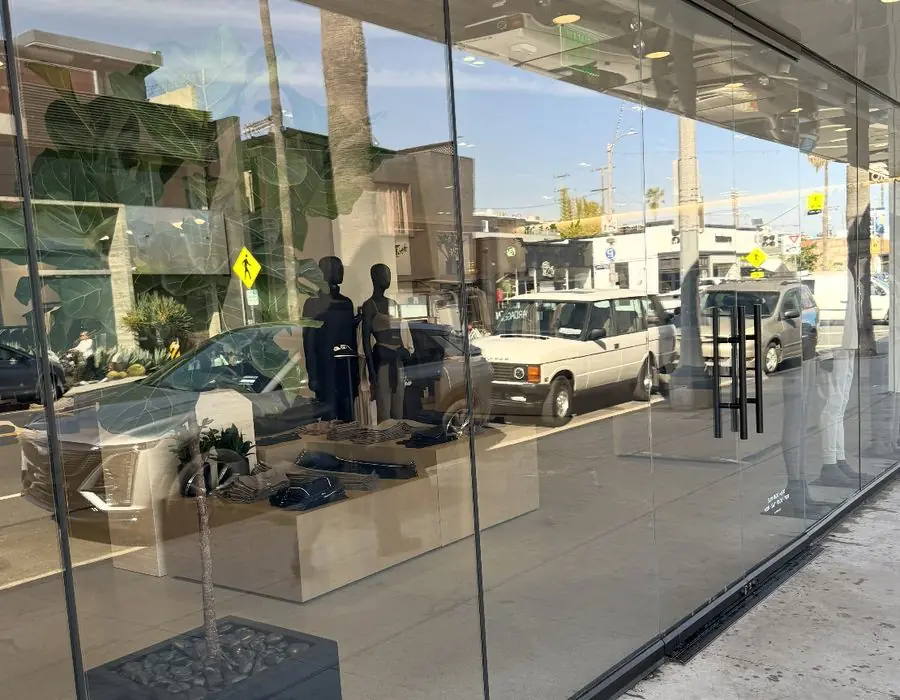
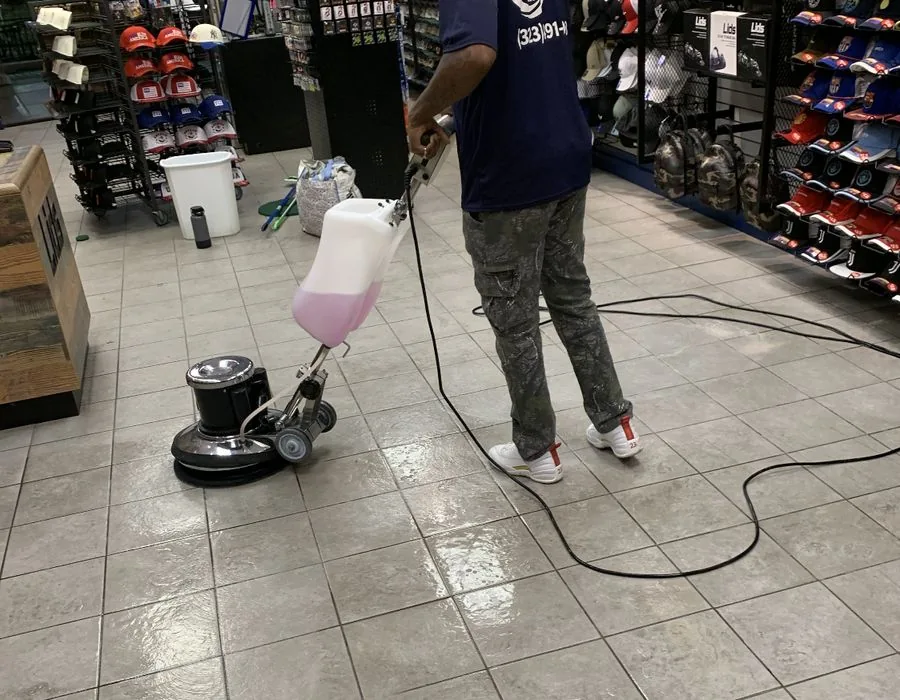
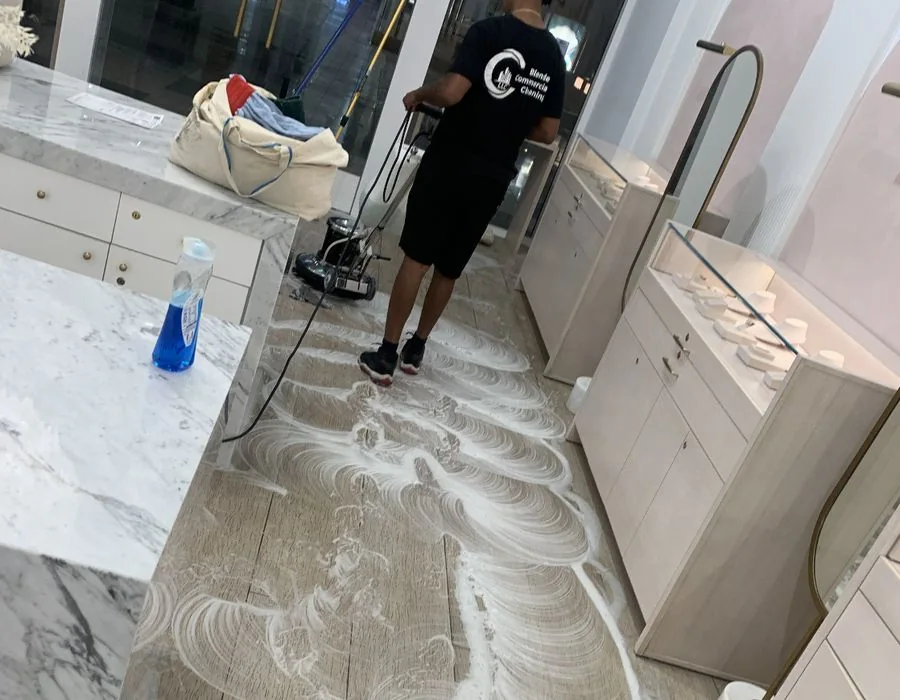
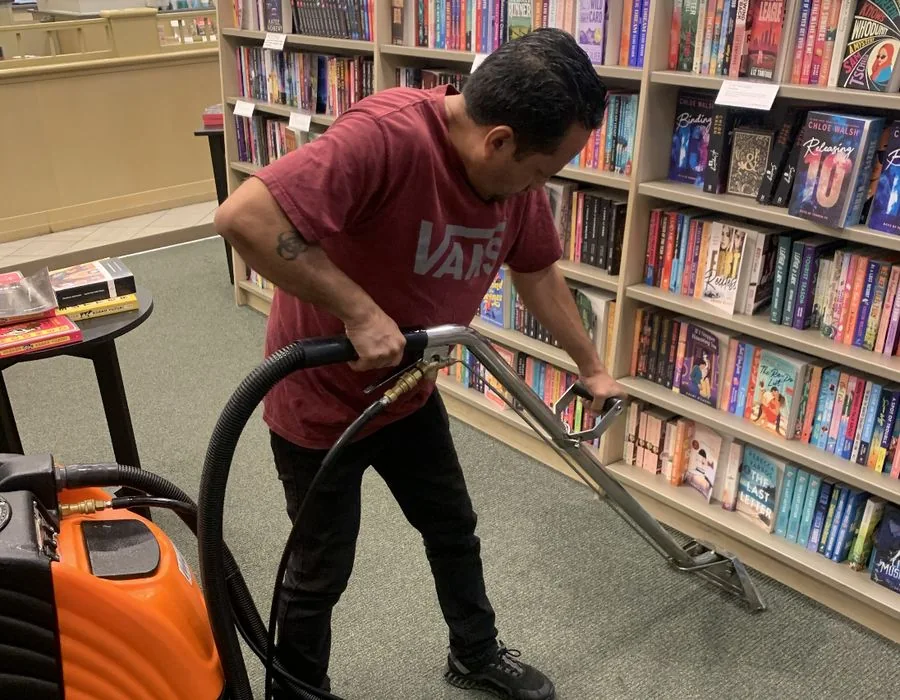
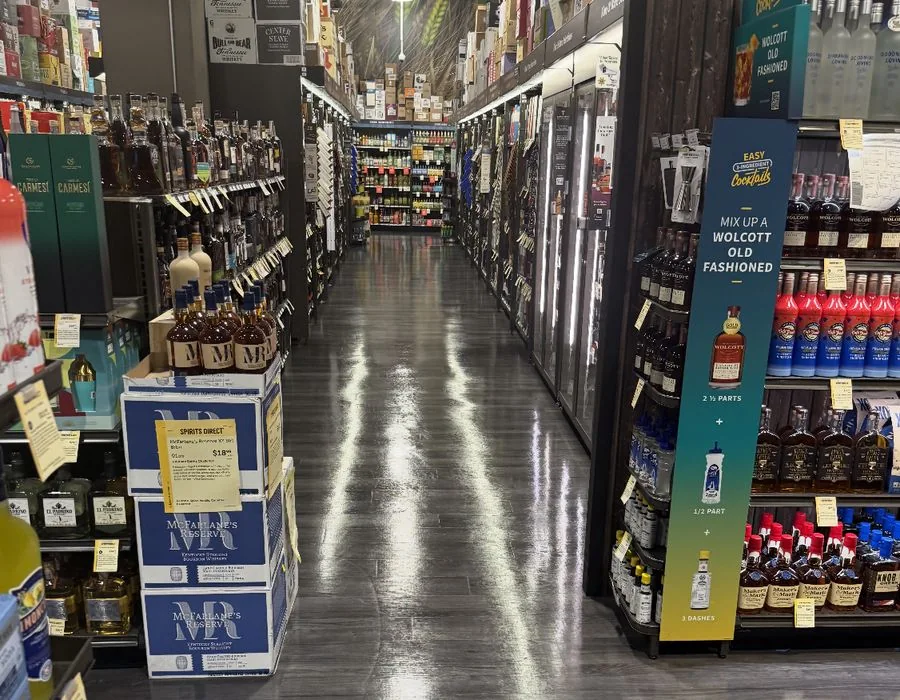
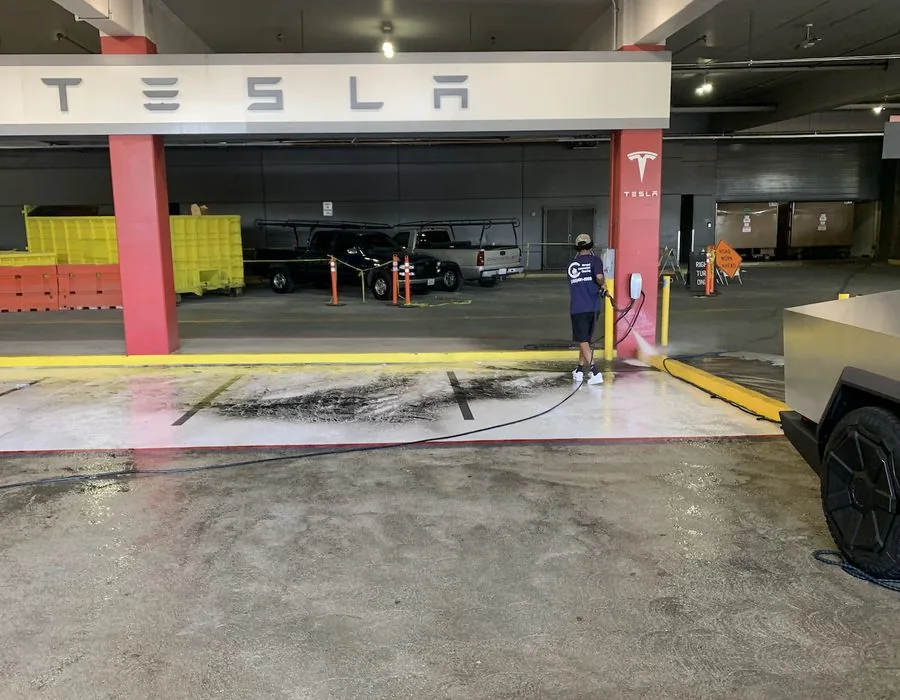
The job photographs show cleaning equipment, commercial surfaces and details that matter when planning a scope. The floor-machine and extraction photographs show work in progress. The retail-aisle and storefront photographs show the spaces and surfaces involved. Use them to identify the type of work you want to discuss for your own property.
A photograph captures one view at one moment. It can show an accessible floor area or a piece of equipment, but it does not establish the entire room list, visit frequency or condition beyond the frame. The captions describe what is visible. Your quote should still identify the actual area, material and work requested at your site.
What the floor-cleaning photographs help you identify
Look at the floor area between fixtures and the routes a machine needs to reach it. In an occupied shop, shelving, stock and displays affect the accessible area. When requesting similar work, describe the floor material if known and identify the fixtures that stay in place. Tell David whether staff can clear any blocked sections before the visit.
The appearance of a finished floor also depends on its material, finish, wear and lighting. Describe the condition you want addressed, such as loose soil, accessible edge buildup or marks around fixtures. Keep existing damage separate from the cleaning request. Product information and a close photograph of the affected area help make that distinction.
What to include for glass and exterior work
For storefront glass, send a wide photograph showing the panes and doors, then a closer view of any film, decals or unusual residue. State whether you need interior surfaces, exterior surfaces or both. Mention display fixtures, awnings and other objects that affect access rather than assuming they are visible from the first photograph.
For a commercial exterior or vehicle bay, identify the requested surface, the area in use and the available working window. Describe access restrictions and the site’s arrangements relevant to the proposed work. An exterior photograph helps start the discussion; the method, preparation and work boundary still need agreement for the particular property.
Scroll sideways to see all columns.
| Photo to send | What it helps explain |
|---|---|
| Wide room or frontage view | Layout, approximate coverage and obstacles |
| Close view of the concern | Visible soil, residue, wear or damage to discuss |
| Floor or finish product information | The installed material and available care instructions |
| Entry and equipment route | Doors, steps, loading access and restricted areas |
Record the scope before comparing a result
For your project, agree which rooms and surfaces will be inspected. A useful completion check follows that same task list and records any area that was inaccessible. Where photographs are used, choose consistent views and identify the room or zone so everyone can locate the item without another explanation.
If something needs attention, send the location, surface and specific concern to David. A clear description is more useful than a general statement about the whole building. Keep cleaning observations separate from contractor defects, damaged fittings or later marks introduced by deliveries so the next action can be directed to the right person.