Start with the building details
Write the property address, cleanable area, normal operating hours and the name of the person responsible for the cleaning agreement. Identify public areas, staff-only rooms and rooms that are excluded. If a floor plan is available, mark those boundaries directly on it.
Next, record the preferred cleaning window and how the cleaner gets in. Include the waste collection point, water and power access, supply storage and any elevator or loading reservation. Keep alarm codes and keys in an agreed private handoff rather than on a widely shared checklist.
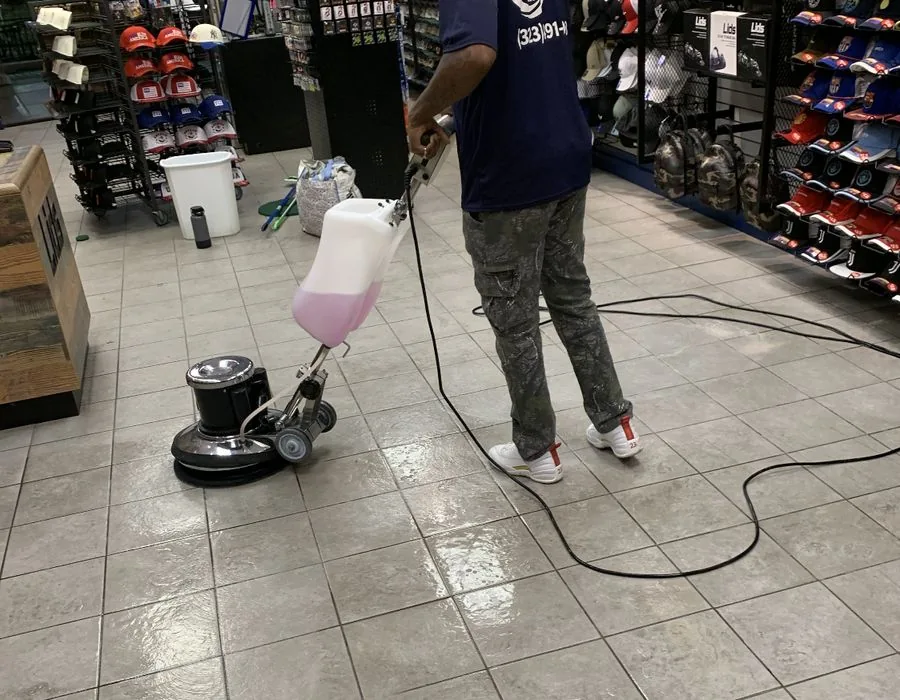
Entrance, reception and common areas
Walk the same route a visitor uses. Check the door, glass and floor before moving toward the reception counter and seating. Select the frequency from the actual traffic rather than using the same schedule for every surface.
Scroll sideways to see all columns.
| Task | Details to add to your checklist |
|---|---|
| Entry glass and door pulls | Which glass faces and reachable frame details are included? |
| Reception counter | Which surfaces will be left clear, and what must not be moved? |
| Seating and tables | What materials are present, and what cleaning is appropriate? |
| Bins | Which containers may be emptied, and where does waste go? |
| Entrance and corridor floors | What is the material, and which routes must remain open? |
| Touchpoints | Name the agreed handles, rails, buttons and other shared surfaces. |
Workstations, meeting rooms and offices
Have staff clear the portion of a desk that is to be cleaned. Documents, personal items and plugged-in equipment need explicit boundaries. A surface that remains covered cannot receive the same attention as an empty table.
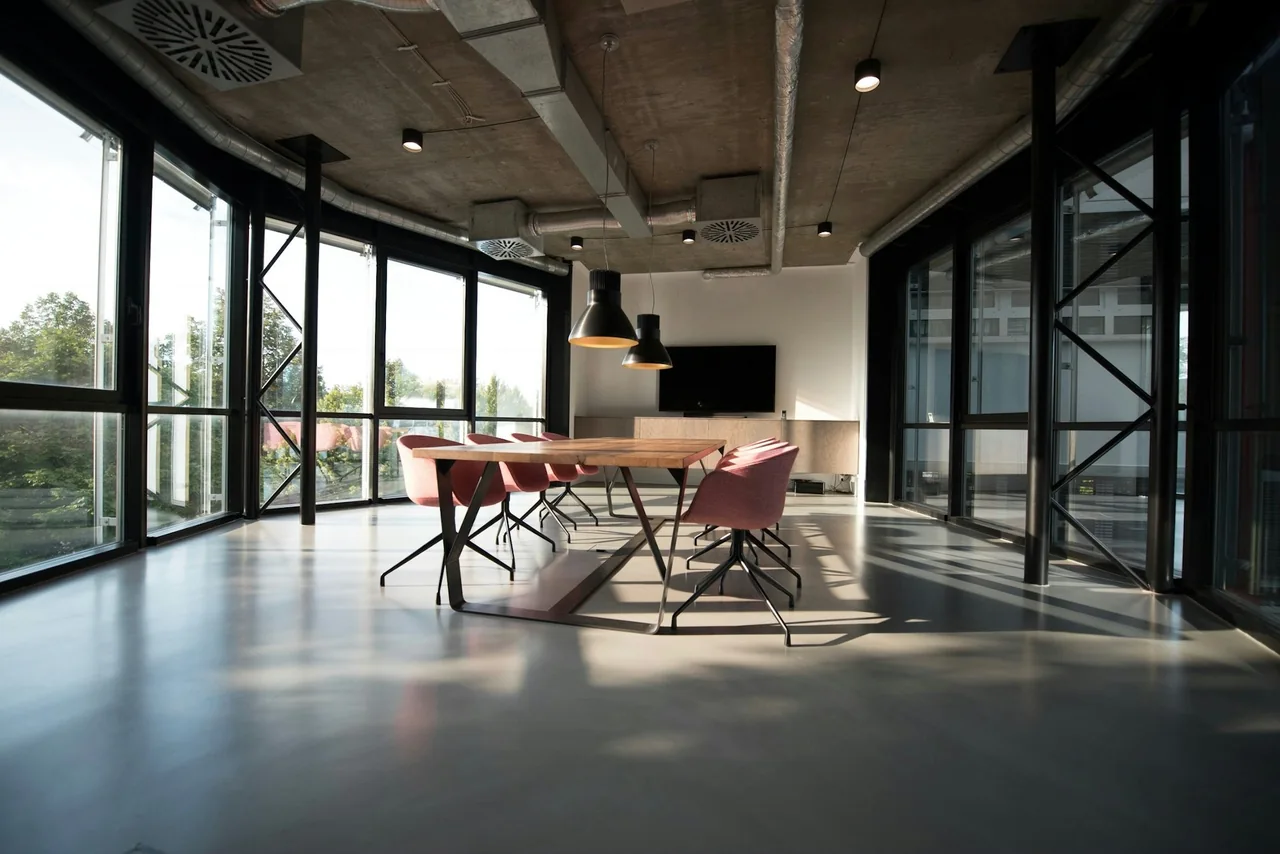
Give meeting rooms a check after heavy use. If the room also hosts lunches or training, include the extra bins, table surfaces and floor area affected. Device cleaning should be separately described using the relevant equipment care instructions.
- Wipe agreed, cleared desk and table surfaces.
- Remove ordinary waste from designated bins.
- Vacuum or clean accessible floor areas, including agreed edges.
- Clean reachable door handles and other named touchpoints.
- List interior glass and accessible ledges at the selected frequency.
- Leave records, secure bins and restricted equipment untouched.

Restrooms and staff kitchens
Count the fixtures and dispensers so the task list matches the room. Record who purchases soap, paper and liners, who refills dispensers and who receives a low-stock notice. For kitchens, separate cleaning from deciding what food or personal items to discard.
If disinfection is required, identify the surfaces and use a suitable product according to its label. Cleaning away soil and carrying out a specified disinfection process are distinct tasks. Facilities with clinical or food-service requirements need the procedures appropriate to those operations.
Scroll sideways to see all columns.
| Room | Items to list |
|---|---|
| Restrooms | Toilets, urinals where present, sinks, mirrors, partitions and reachable touchpoints. |
| Restroom supplies | Soap, paper, liners, refill responsibility and stock reporting. |
| Restroom floors | Material, edges, areas around fixtures and drying access. |
| Kitchen counters and sinks | Cleared surfaces, splash areas and any material restrictions. |
| Tables and appliance exteriors | Named surfaces and which items staff will clear. |
| Appliance interiors | Separate task, frequency and food-disposal instructions. |
Put periodic work on a separate line
Some tasks need more time, equipment or access than the recurring visit allows. Give them a separate line so they do not vanish between a general promise and the actual schedule. Frequency should respond to the floor condition, room use and manufacturer care requirements.
This is also where you can identify a deeper initial clean before maintenance begins. List the existing buildup you want removed and the areas to be brought into the regular cleaning routine. A reset and an ongoing visit should have clearly described purposes.
- Deeper hard-floor cleaning using a material-appropriate method.
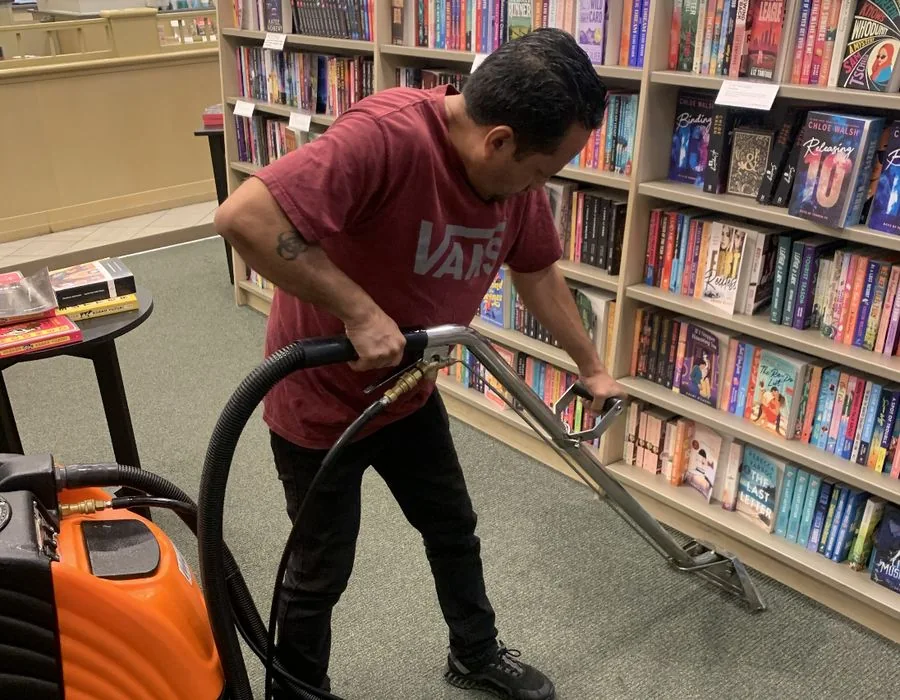
- Carpet extraction with furniture and drying arrangements.
- Accessible interior glass, frames and sill detail.
- Reachable ledges, trim and other slower-building dust areas.
- Inside-appliance cleaning where specifically agreed.
- Additional work after events, moves or completed construction.
Finish with a handover and review routine
Record the last checks: equipment removed, waste taken to the approved point, agreed items returned, doors secured and lights or alarms handled as instructed. Identify who to contact if a door cannot be locked or a room was unavailable.
Review the checklist when occupancy, tenants or room use change. If a task is missed, report the location and surface rather than “the building was not cleaned.” If a new task is needed, add it through an agreed change. A clear checklist gives both the building contact and cleaner something specific to work from.