
Ask how the company will assess your building
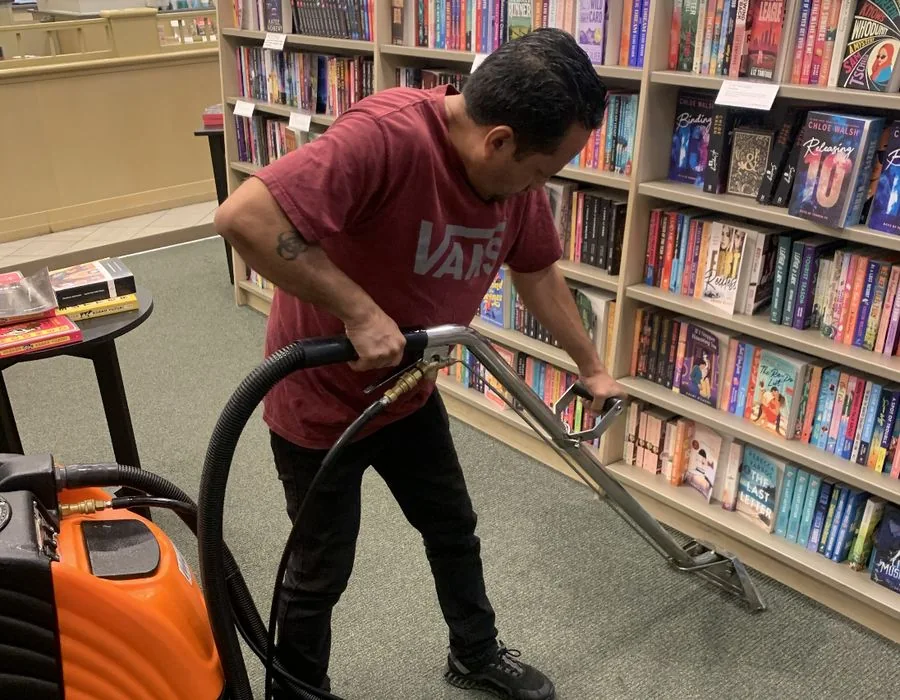
A provider should ask what the space is used for, how much of it needs cleaning and when access is available. Room count, restrooms, flooring, visitor traffic and existing condition help explain the work. If a quote arrives without any meaningful questions, find out what assumptions it includes.
Offer a floor plan and current photos before the walkthrough. Point out problem areas, locked rooms and work performed by the landlord. Ask the provider to distinguish cleanable buildup from damage or wear. A useful assessment should leave you with a clearer scope, even if some specialist work needs a separate opinion.
Compare the task list before the headline price
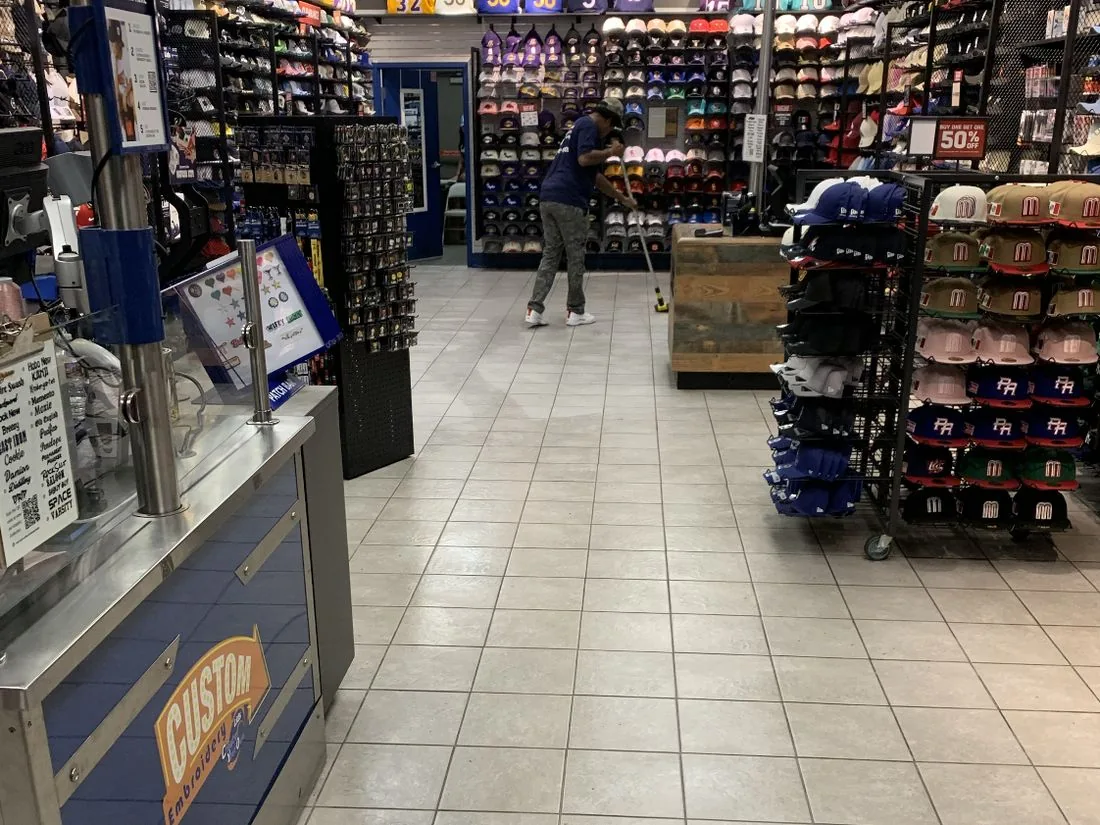
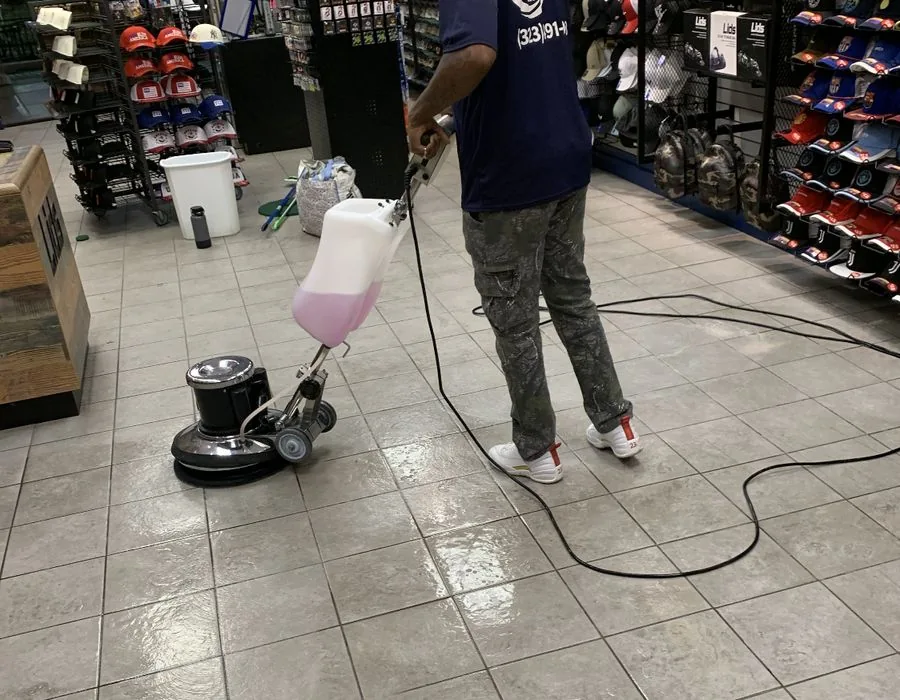
Make sure each proposal identifies the included rooms and task frequencies. “Full service” and “complete cleaning” do not tell you whether the quote covers interior glass, paper products, carpet extraction or floor detail work. Ask about exclusions, initial cleaning and any separately scheduled services.
Check how changes are approved. If a new conference room opens or the office doubles its attendance, the schedule may need revision. Ask for the proposed work and price before it is added. Understanding that process at the beginning makes later conversations more straightforward.
Scroll sideways to see all columns.
| Ask | A useful answer includes |
|---|---|
| What is included? | A room-by-room task list with frequencies |
| What is separate? | Clear exclusions and optional periodic work |
| How are changes priced? | A defined approval step before additional work |
| How is completion checked? | Named inspection points and a way to report exceptions |
Request evidence for the claims that matter
If your building requires insurance documentation, ask for current documents that match the company and the requested work, then have the appropriate person review them. Ask what training or experience supports any specialist service being offered. A logo or a phrase on a website is not a substitute for the relevant evidence.
For references, request permission-based contacts for comparable work where available. A retail reference may be more relevant to a shop manager than a general testimonial about a different service. Read review details and dates, and look for a clear connection to the business. Ask a reference about the original scope, communication and how any missed work was handled.

Discuss keys, restricted rooms and closing procedures
Walk through the actual entry and exit process. Who provides access? What happens if an alarm will not set or a room is still occupied? Which doors must stay locked? The written instructions should be specific enough that the crew does not need to guess at the end of a late visit.
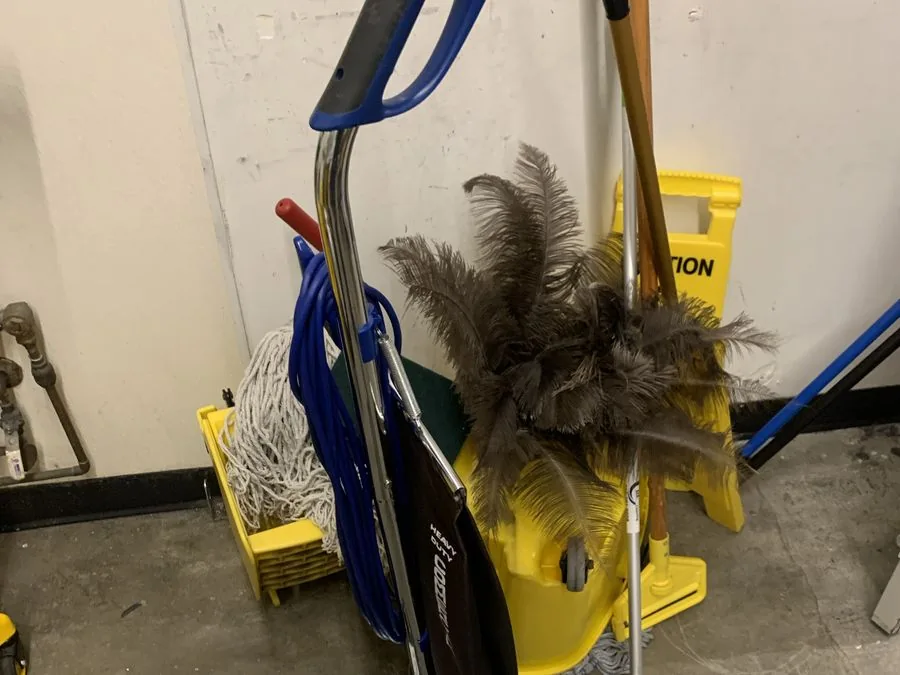
Identify restricted storage, private records and equipment that should not be moved. Confirm where cleaning supplies and equipment may be stored, if anywhere. Ask how the company communicates these instructions to the people attending the site and how changes are recorded. Keep access credentials out of ordinary quote emails.
Find out what happens when something is missed
Ask for the regular contact and the method for reporting a concern. A useful report describes the room, surface and issue, preferably with a photo where appropriate. Find out how the provider reviews the report and arranges any agreed correction. Do not rely on an undefined satisfaction promise.
Also ask how the crew reports problems it did not cause: a leak, damaged fitting, inaccessible room or missing consumable. Those observations can prevent repeated misunderstandings. For recurring service, agree on a review point after the first visits to check whether the written scope matches daily use.
- Name the contact for routine changes.
- Agree on the information needed in an issue report.
- Clarify the process for reviewing and correcting missed work.
- Choose a time to review the initial schedule.
Read the terms and choose a manageable starting scope
Review the billing arrangement, cancellation terms, notice periods and any conditions around access or rescheduling. Check who purchases supplies and how extra visits are approved. Keep the final scope with the agreement so the people managing the site can refer to the same version.
You do not need to purchase every available service at once. Start with the work the building needs, add clearly defined periodic tasks and review the results. Blended can discuss the rooms, schedule and cleaning priorities when you request a quote; ask for the same practical details you would expect from any provider.