


Choose the work by what your property needs
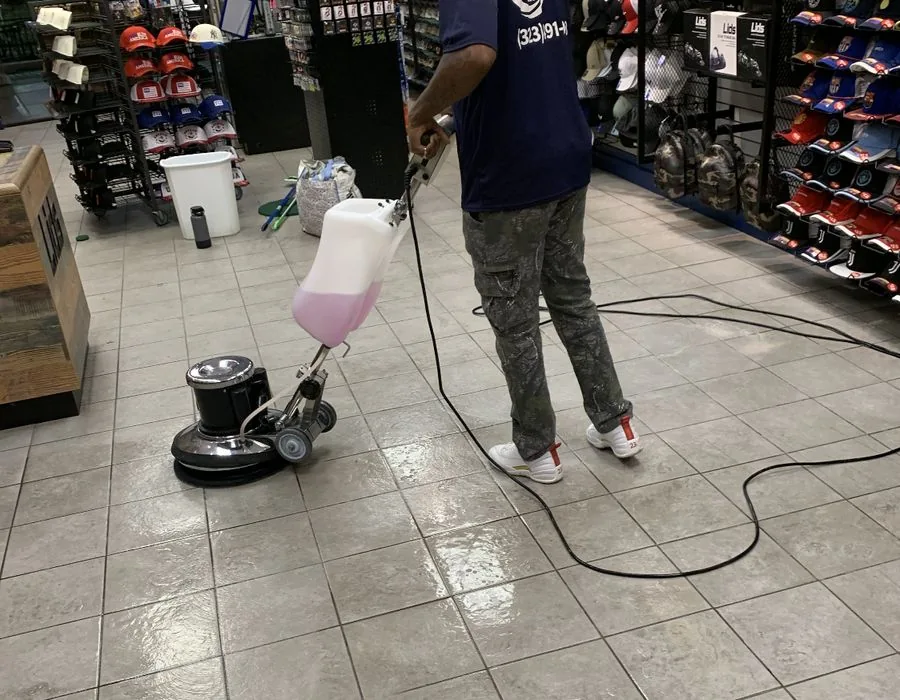
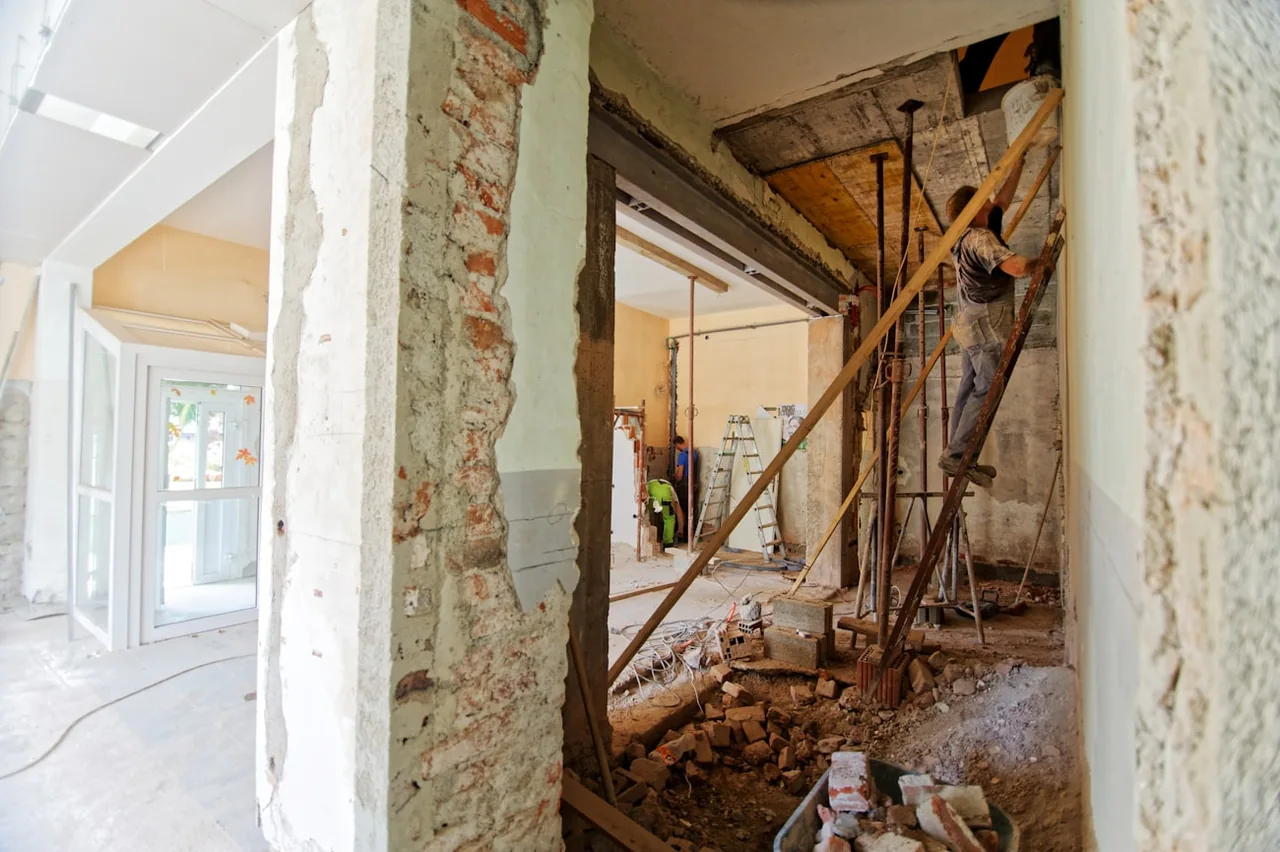
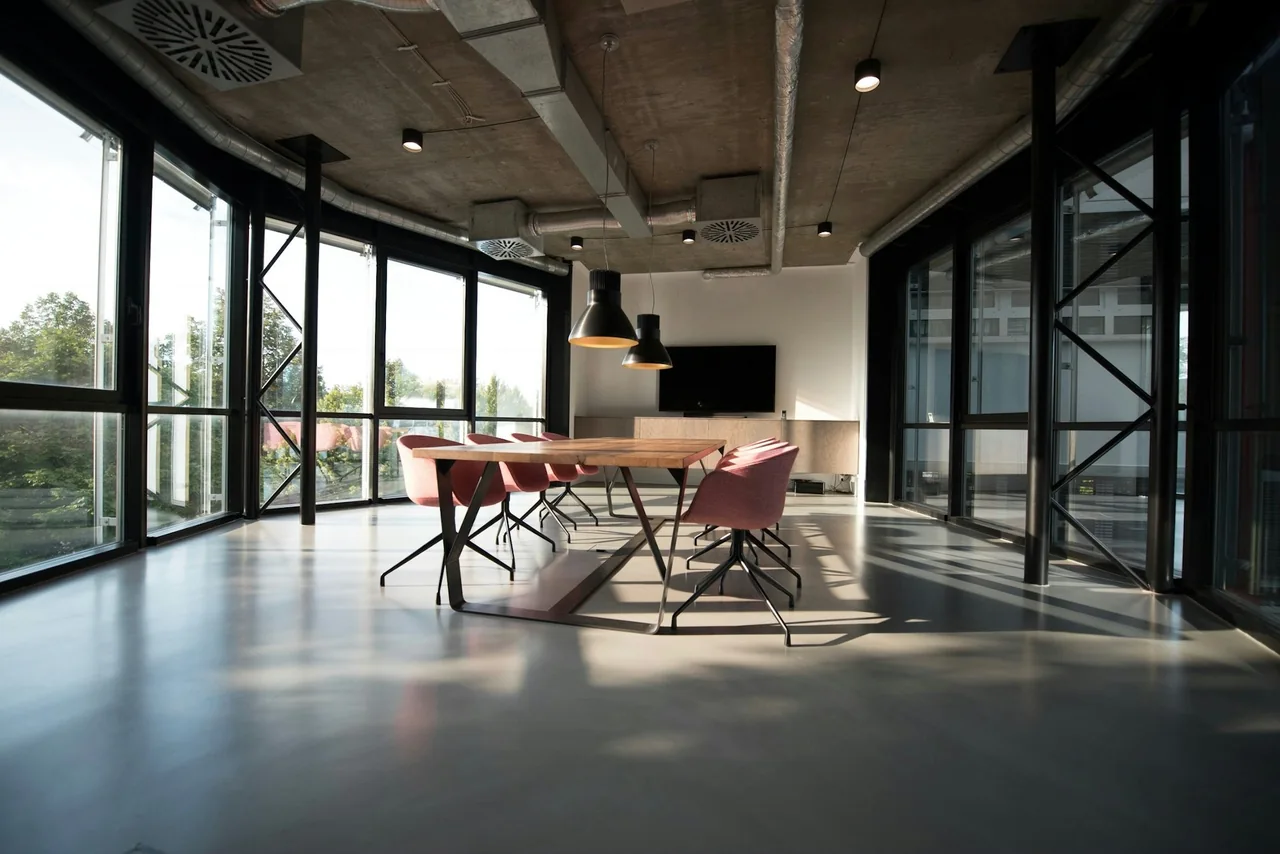
Start with the condition you want to change. Regularly used restrooms, breakrooms and occupied floors usually need a recurring plan. Dust left by building work calls for construction cleaning. Buildup along edges or on accessible fittings may call for a separate deep clean. These are different assignments, even when they happen at the same address.
A service name is the start of the conversation. The useful detail is the room, surface, task and frequency. An office may need nightly restroom cleaning, weekly interior-glass attention and occasional carpet extraction. Put those tasks in the proposal separately so you can see which work happens on each visit.
Scroll sideways to see all columns.
| Your main need | Where to start | Useful details to provide |
|---|---|---|
| Maintain an occupied property | Janitorial, office or retail cleaning | Rooms, use, opening hours and requested visit frequency |
| Prepare a completed building project | Post-construction cleaning | Remaining trades, released rooms and handover date |
| Address overdue detail work | Commercial deep cleaning | Affected surfaces, current condition and access |
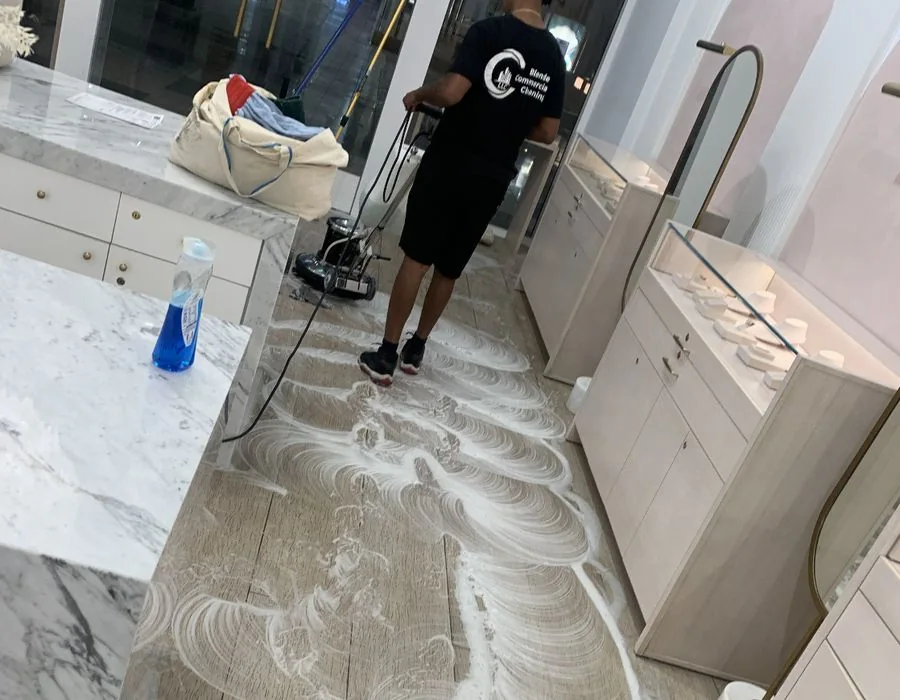
| Clean a particular surface | Floor care or window cleaning | Material, accessible area and finish or film information |
Combine services without paying for an unclear overlap
If you need several services, identify the boundary between them. A recurring visit may remove fingerprints from an entrance door, while a separate window visit covers full panes, frames and agreed tracks. Routine floor upkeep and periodic machine cleaning also need their own areas and schedules. A combined quote should make those distinctions easier to understand.
Describe the current condition before choosing the ongoing frequency. A first visit may need additional work that will not be necessary every week. Ask for that initial work to be listed separately. Once the starting condition and ordinary use are understood, the recurring schedule can be discussed against the actual demands of the space.
Keep the occupied parts of your building usable
Tell David when employees, customers, deliveries and other contractors use the property. Identify the route from the entrance to the work area, any check-in procedure and who can release locked rooms. For floor work, explain where furniture or stock can be moved and who is authorized to move it.
Give shared areas their own line in the scope. A lobby maintained by the landlord should not quietly become a tenant responsibility. The same applies to common restrooms, service corridors and loading areas. Marking the boundary helps the person reviewing the quote compare the proposed work with the building arrangements.
- List the rooms and surfaces you control.
- Record the preferred working window and available entry route.
- Identify belongings, equipment and restricted areas to leave untouched.
- Name the person who can approve an extra task or a schedule change.
Turn the service choice into a quote you can review
Send the property city, approximate cleanable area and the main cleaning priority. Recent photographs can show the layout and condition; a floor plan can clarify room coverage. Add your preferred start date or construction handover date where it matters. You can call or email David to discuss these details before a walkthrough.
Review the resulting task list for visit frequency, included rooms, periodic work and any preparation required from your team. Keep the agreed scope with your site instructions so the people providing access and checking the result refer to the same information.