Choose the frequency around how the building is used
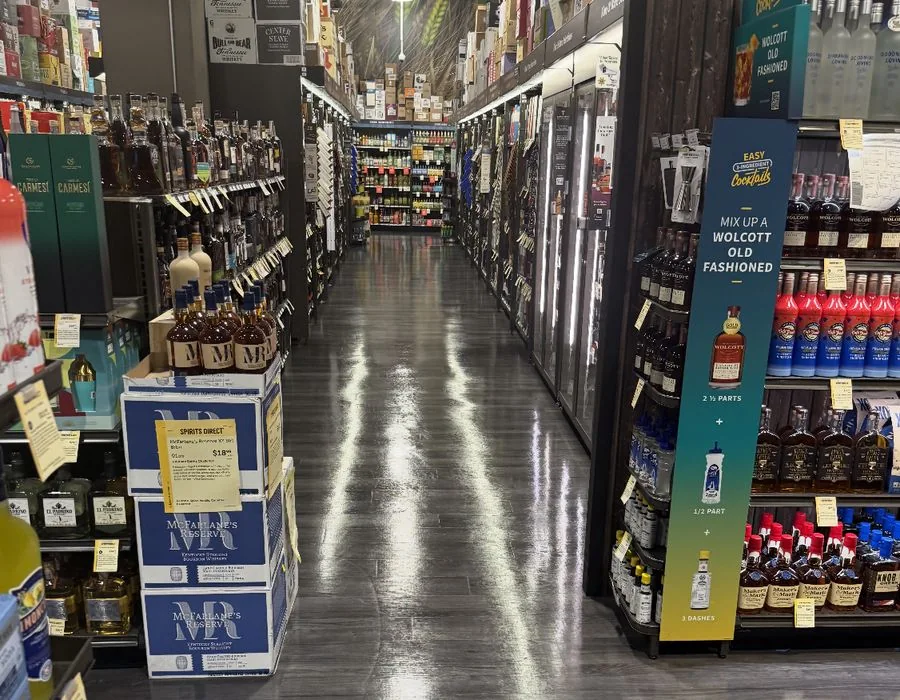
A lightly used office and a busy customer-facing facility should not have the same checklist simply because they have similar square footage. Staff numbers, public traffic, restroom use and food waste all affect how quickly a space needs attention. We start with the areas that create daily complaints, then work out what can be cleaned less often.
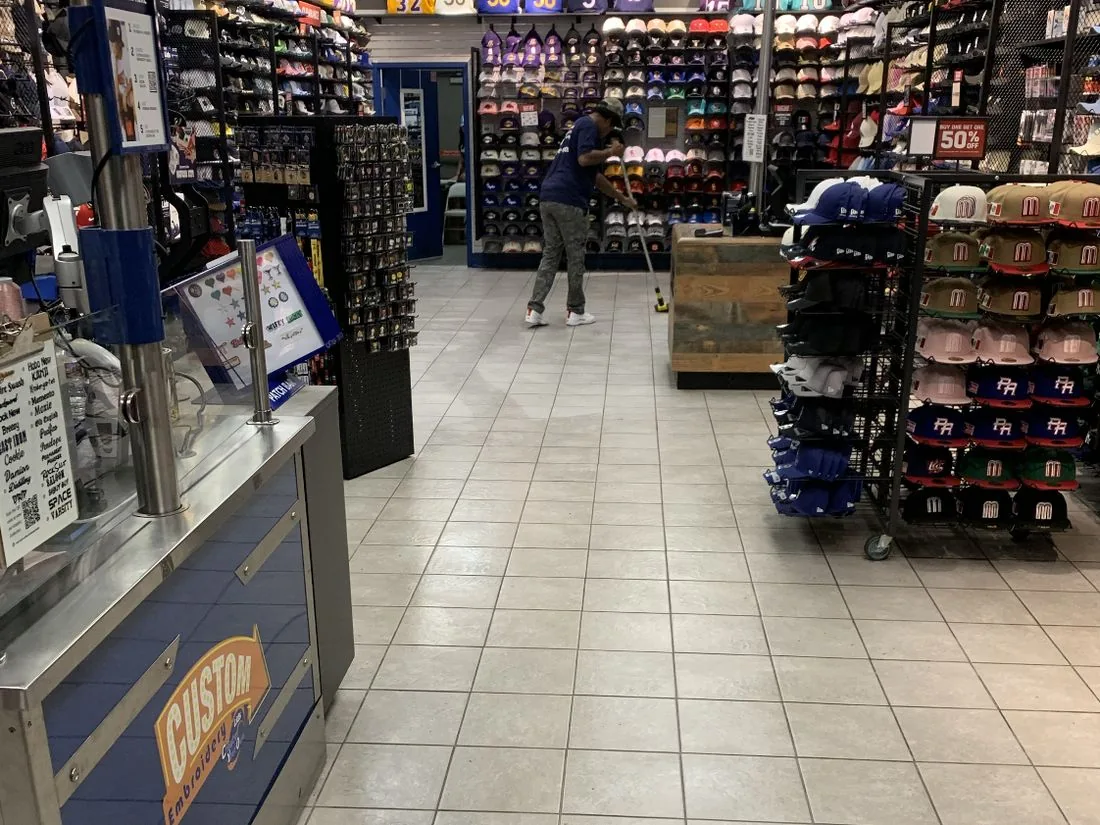
Tell us which days people are actually in the building. A hybrid office may have quieter days, while a retail back office can need consistent service throughout the week. We discuss available cleaning windows alongside your opening and closing times rather than assuming the building will be empty.
The tasks to put on your janitorial checklist
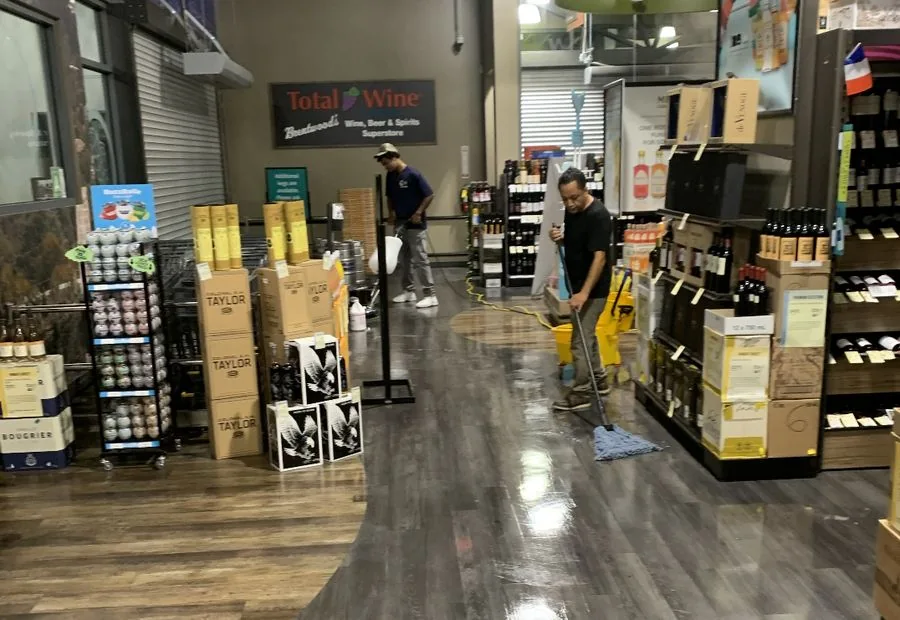
The agreement should name each task and its frequency. “General cleaning” is too vague when you are trying to understand whether a missed item is included.
Scroll sideways to see all columns.
| Area | Recurring tasks to include |
|---|---|
| Restrooms | Toilets, urinals where present, sinks, mirrors, touchpoints, floors and dispensers. |
| Breakrooms | Clear counters, sink areas, table surfaces and appliance exteriors. |
| Work and common areas | Accessible surfaces, bins, entry glass and visible marks on agreed touchpoints. |
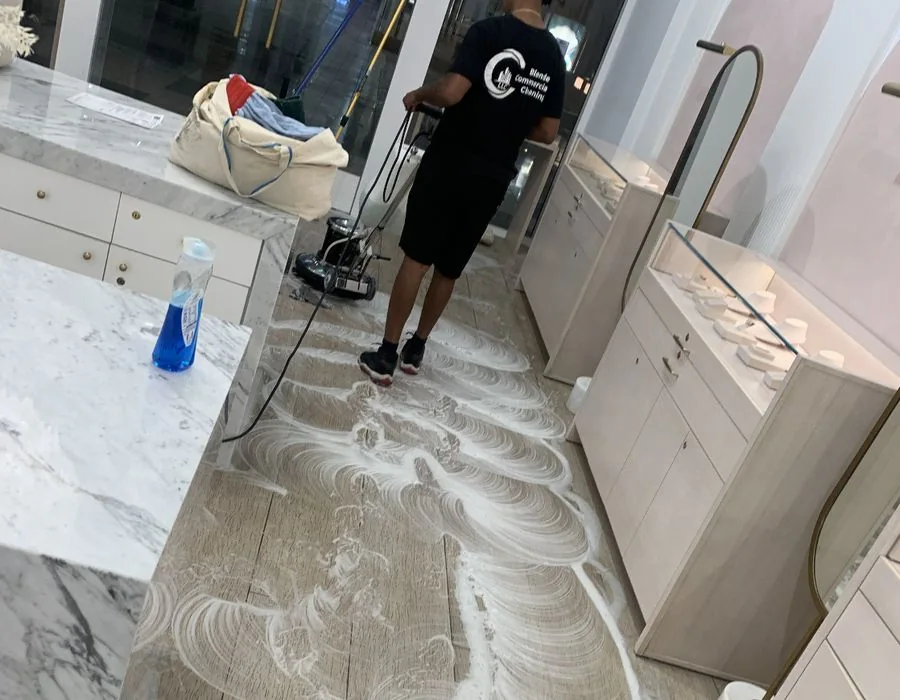
| Floors | Vacuum carpet, remove loose soil and damp-clean compatible hard floors. |
| Periodic detail work | Baseboards, reachable vents, deeper floor cleaning and other listed tasks. |
Supplies and waste should not become an afterthought
List the restroom paper, soap, bin liners and other consumables your building uses. Decide who purchases them, where they are stored and who receives a low-stock notice. Refilling a dispenser is different from supplying the refill, so the proposal should say which is included.
Point out the waste and recycling collection locations, including any locked enclosure. Cleaning staff need to know which bins may be emptied and which materials require your own handling process. Secure document bins, sharps and regulated waste do not belong in ordinary trash collection.
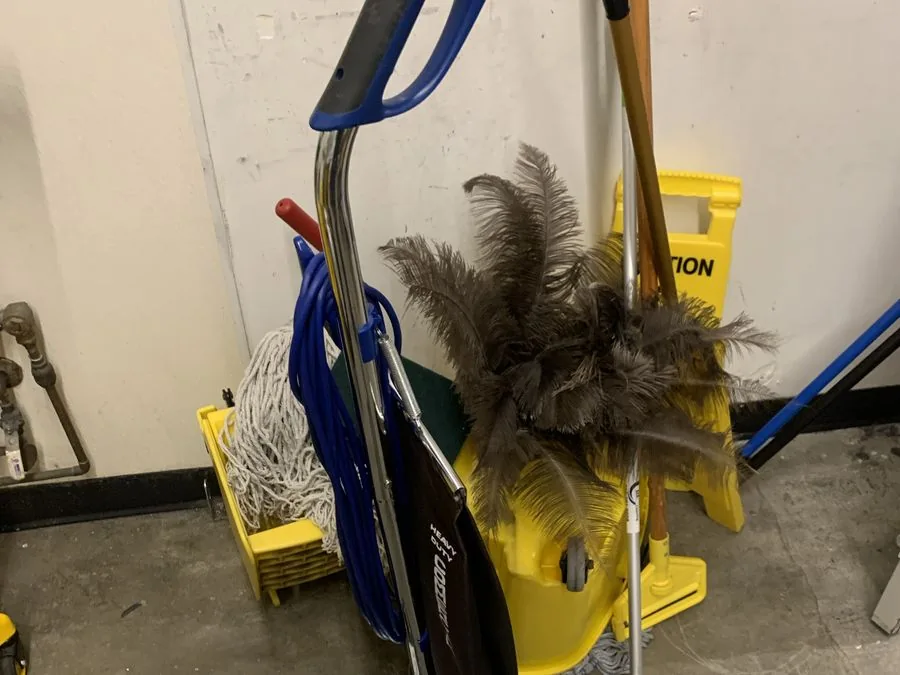
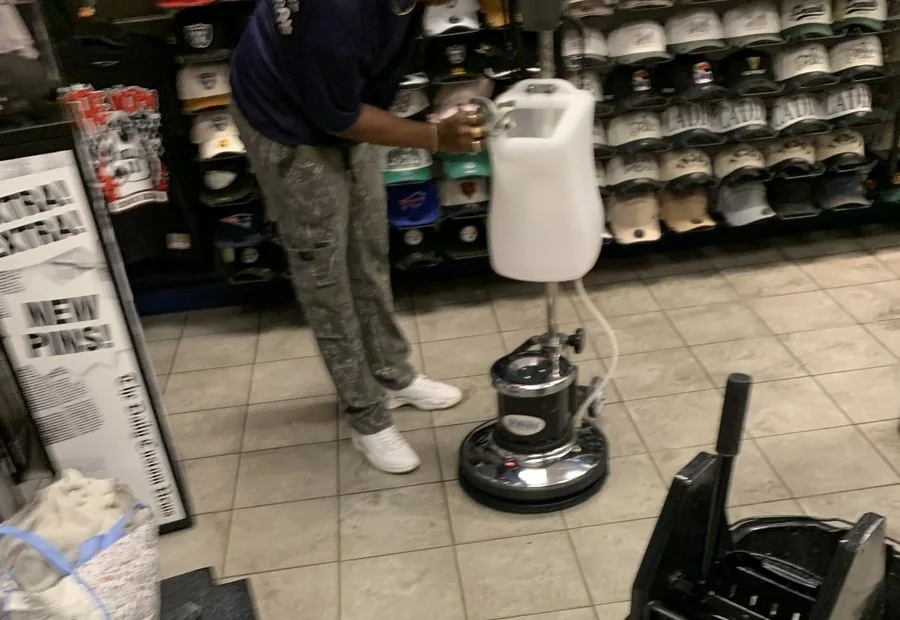
Clean surfaces first; specify disinfection where needed
Visible dirt, fingerprints and spills need to be removed as part of routine cleaning. When disinfection is included, the product must suit the surface and be used for its labeled wet contact time. A quick spray-and-wipe is not interchangeable with following the disinfectant instructions.
We discuss the touchpoints that matter in your building, such as door pulls, shared counters and restroom fixtures. Facilities with clinical, food-production or other regulated operations need their own appropriate procedures; ordinary janitorial cleaning is not a substitute for them.
Make the handoff easy for your building contact
Name the person who can answer an access question, authorize an extra task or report a cleaning issue. Before the first visit, explain alarm procedures, door codes, keys, lights and any rooms that must remain closed. Send codes through an agreed direct channel rather than placing them in a public enquiry.
A useful issue report is specific: the room, the missed surface and, if possible, a photograph. That makes it easier to separate an overlooked task from a new request. Changes such as another tenant, a busier shift or construction work can then be reflected in the cleaning agreement.
Request a recurring cleaning quote
Give us the property address, approximate area, restroom count, business hours and preferred number of visits. Mention the condition of the building today. If a deeper first clean is needed, it can be priced separately so the ongoing charge is easy to understand. David can discuss the details at (323) 491-8008.