Start with the office you use, not just the area you lease
Irvine’s Business Complex includes office and mixed-use buildings. Inside a tenant suite, some rooms may be busy every working day while others are used only for occasional meetings. Janitorial frequency should reflect that difference without leaving low-use rooms permanently off the list.
Describe a typical week. Tell us which days bring more staff, whether visitors use the restrooms and how often the kitchen is used. A meeting-heavy day can create extra food waste and table cleaning even when desk attendance is low. Those details help build a useful repeat schedule.
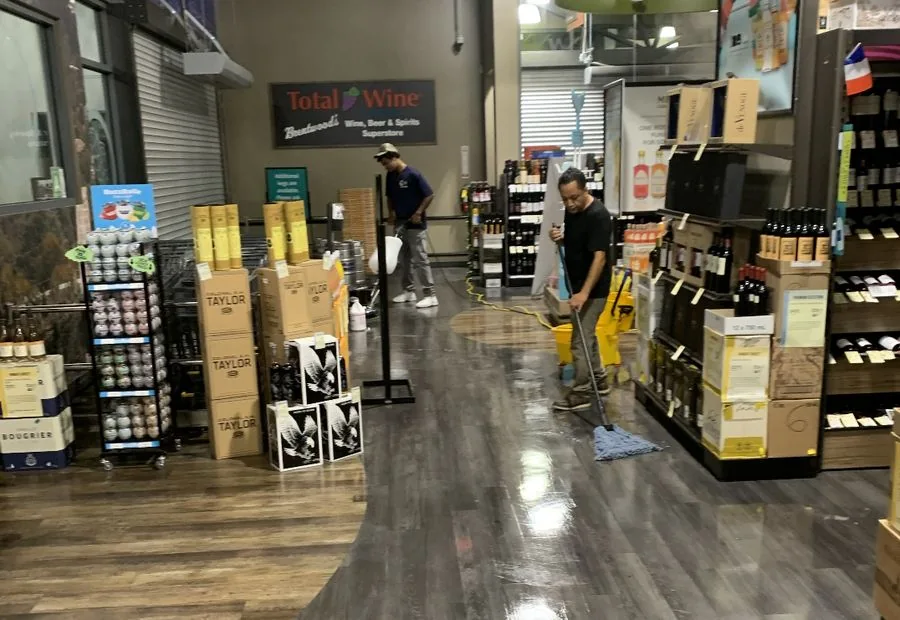
Write the everyday tasks room by room
The routine should describe the result you expect in each room. Emptying a bin, wiping a counter and cleaning the floor below it are separate actions. Naming them makes it easier to compare proposals and report a missed item without a long explanation.
- Restrooms: clean fixtures, sinks, mirrors, contact points and agreed floor areas.
- Kitchenettes: clean clear counters, sinks, tables and approved appliance exteriors.
- Office areas: remove specified waste, vacuum accessible paths and dust clear surfaces.
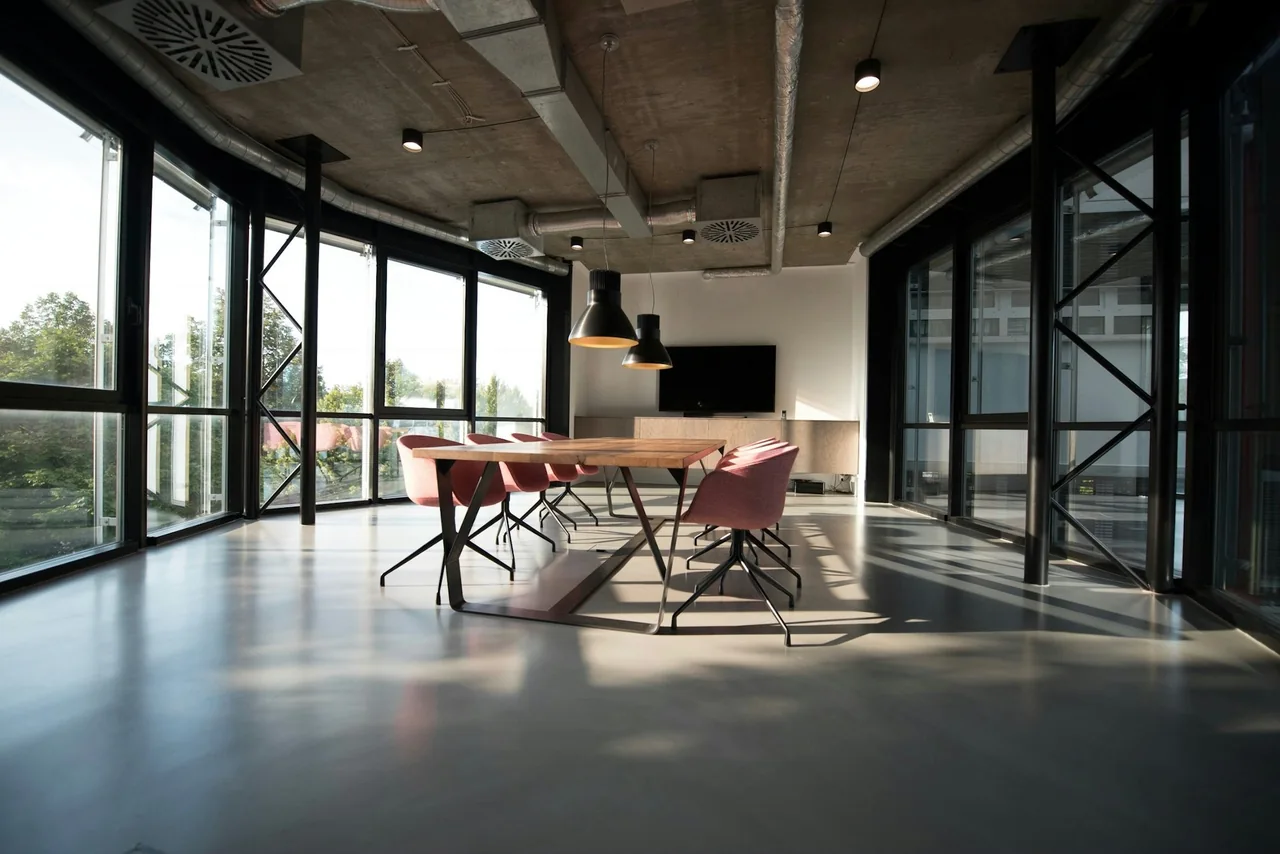
- Meeting rooms: clean available tables, touch points and defined glass surfaces.
- Entrances: attend to door glass, handles, mats and the surrounding floor.
Scroll sideways to see all columns.
| Walkthrough item | Suggested scope | Preparation or decision |
|---|---|---|
| Meeting-day demand | Add available tables, glass touch marks and food waste. | Record the office attendance pattern beside the room list. |
| Recurring detail | Name the baseboards or ledges assigned to a rotation. | Show that rotation beside the every-visit tasks. |
| Provider change | Photograph existing buildup before service starts. | Decide whether a first detail clean is needed before maintenance. |
Put periodic details beside the regular list
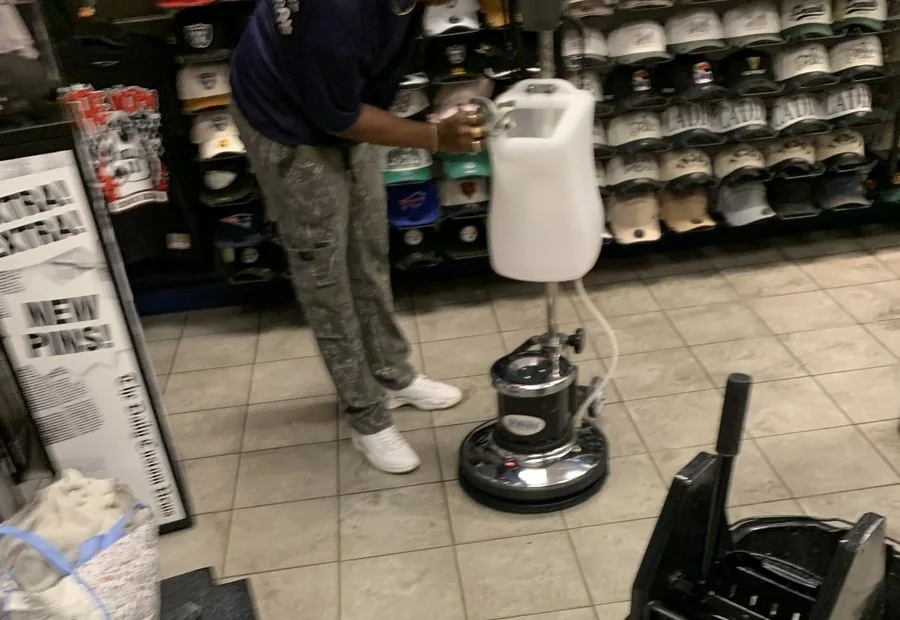
Baseboards, accessible ledges, interior glass and deeper floor work should have named frequencies or a separate request process. A vague instruction to clean as needed leaves too much room for different expectations. Note whether a detail is part of a rotating visit or an additional service.
If the office is changing cleaners because buildup has accumulated, discuss an initial detail clean. That allows the recurring routine to begin from an agreed condition. Appliance interiors, cabinet interiors and heavy floor recovery should not be silently added to a normal maintenance visit.
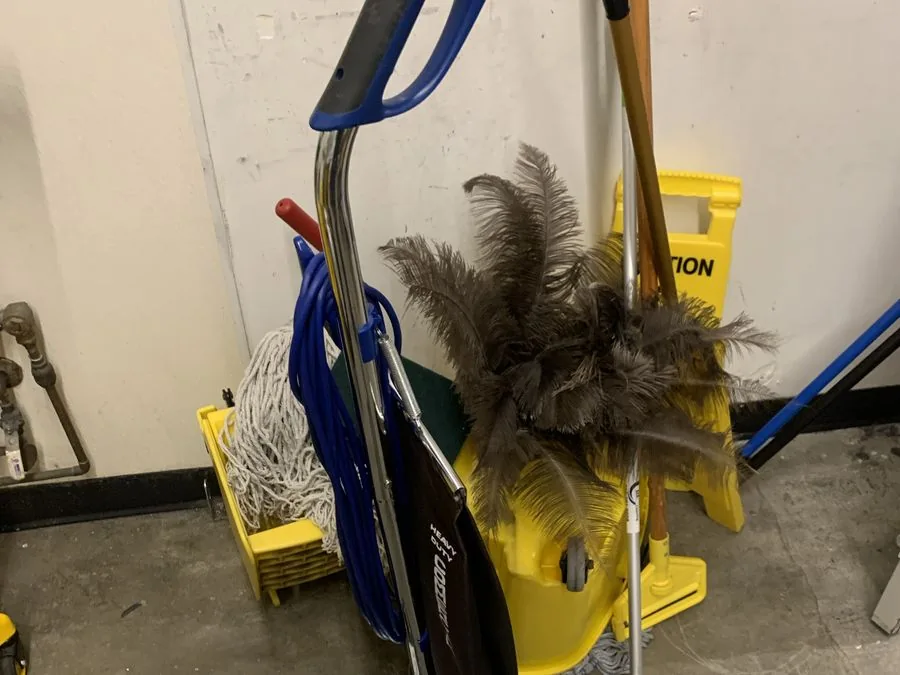
Clarify supplies, waste and building access
Specify who purchases soap, paper and liners, who refills dispensers and who reports low stock. Provide the approved waste collection locations and identify confidential disposal bins that must remain untouched. These tasks are related, but they are not interchangeable.
For a multi-tenant property, confirm the corridor and lobby responsibilities with the building manager. Give the cleaner the approved service entrance and room access window. Sensitive offices, technical rooms and desks with working documents need clear boundaries and a method for reporting unavailable areas.
Request a practical Irvine janitorial quote
Send the address, suite number, approximate area, restroom count and desired visit pattern. Add occupancy details and two or three specific concerns with the current condition. Blended can review the routine with you and identify initial, recurring and periodic work before a schedule is agreed.
After service starts, use room names and surface descriptions when reporting an issue. A note such as breakroom sink edge is easier to act on than a general request for better cleaning.