A consistent standard does not mean identical visits
Orange County includes different commercial settings, from Irvine office properties to Anaheim mixed-use business spaces. For a company with more than one location, the aim is a consistent description of cleaning tasks while allowing the frequency and workload to reflect each building.
A satellite office, customer-facing branch and busier main workplace can share one contact without receiving the same room schedule. Give each site its own occupancy pattern, restroom count and closing time. A county-level request should always include the exact addresses for coverage review.
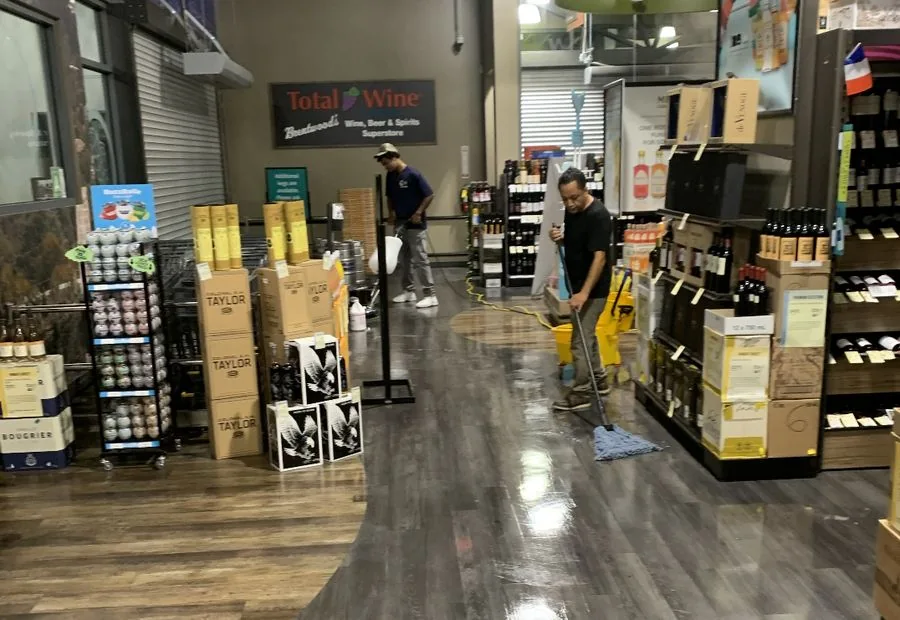
Create one useful task vocabulary
Use the same wording for equivalent work at each property. Restroom fixture cleaning, counter wiping, bin emptying and floor cleaning should mean the same thing across the room sheets. Then list the differences rather than relying on a general standard-service label.
- Restrooms: fixtures, sinks, mirrors, contact points and the defined floor area.
- Food areas: clear counters, tables, sinks and agreed appliance exteriors.
- Offices: named bins, accessible clear surfaces and floor paths.
- Entrances: door glass, handles, thresholds and mat surrounds.
- Shared rooms: meeting tables and other surfaces available for cleaning.
Scroll sideways to see all columns.
| Walkthrough item | Suggested scope | Preparation or decision |
|---|---|---|
| Equivalent task | Use the same restroom or counter task wording across sites. | Check that each room sheet means the same actual work. |
| Different workload | Record occupancy, visitor demand and room count per address. | Give a busy branch its own proposed visit pattern. |
| Site supplies | List stock location, dispenser type and refill responsibility. | Confirm the arrangement locally even when purchasing is central. |
Keep initial condition separate from maintenance
One location may begin with heavy buildup while another is already well maintained. An initial detail clean can address the first condition without overstating the recurring visit. Provide photos of floor edges, restroom corners and fixture areas where the current routine has fallen behind.
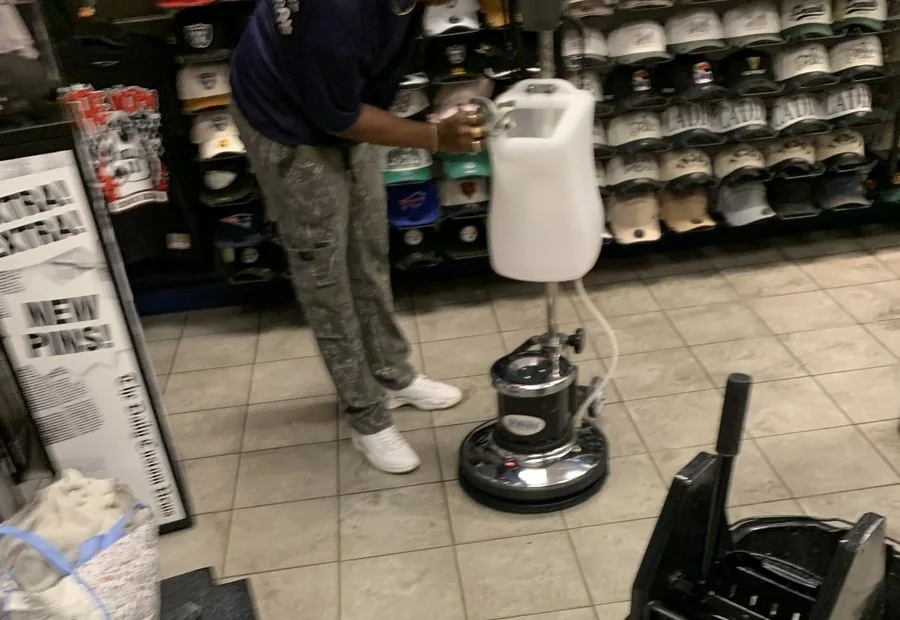
Periodic carpet or floor work, larger glass cleaning and appliance interiors should have their own line and frequency. That makes it possible to compare proposals accurately: two monthly prices are not comparable if one quietly excludes half the detail work.
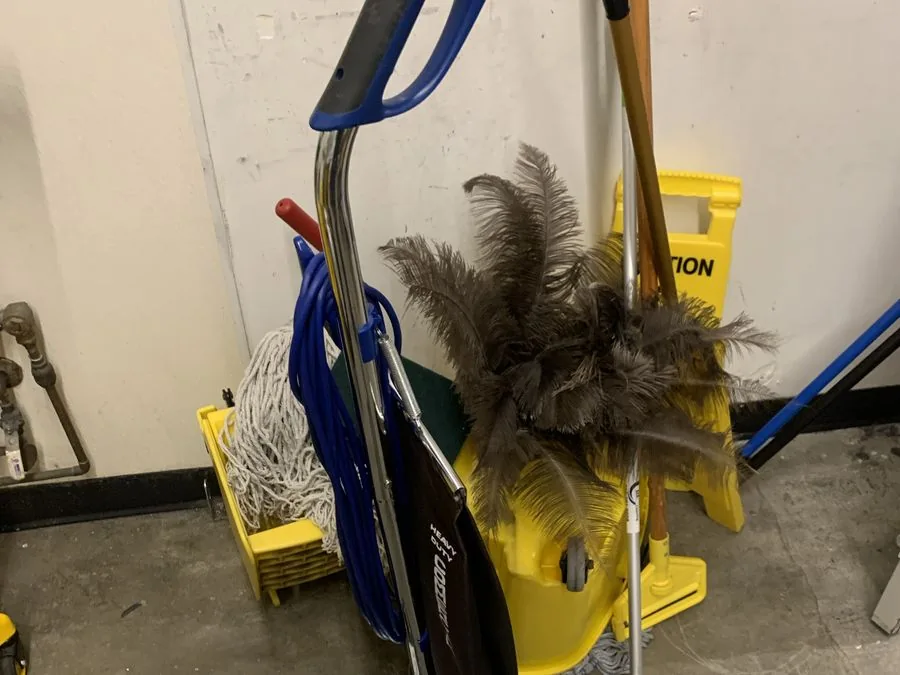
Document supplies and access at each address
A central purchasing arrangement does not mean the same supplies are available everywhere. Record dispenser types, stock location and whether the cleaner refills, reports or supplies each item. Waste and recycling collection points also need a site-specific note.
The access sheet should identify the approved entrance, room restrictions and closing contact. Share security details through an agreed channel after the arrangement is accepted, rather than placing codes in a public quote form. Where a building manager maintains common facilities, separate those areas from the tenant cleaning list.
Review service using specific room notes
For a quote, send an address list with areas, room use and preferred visit patterns. Add the main concern at each property instead of assuming every site has the same problem. Blended can discuss the requested coverage and the work needed at each location.
Once a routine is established, name the room and surface when requesting a correction or change. If occupancy increases or a business adds a new service area, update the room sheet so the workload stays visible.