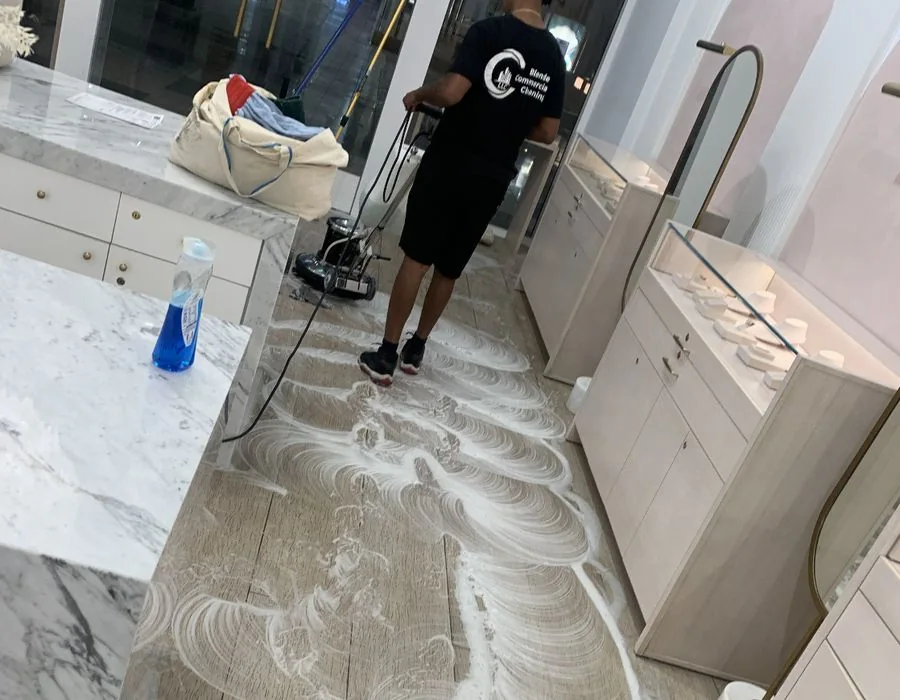
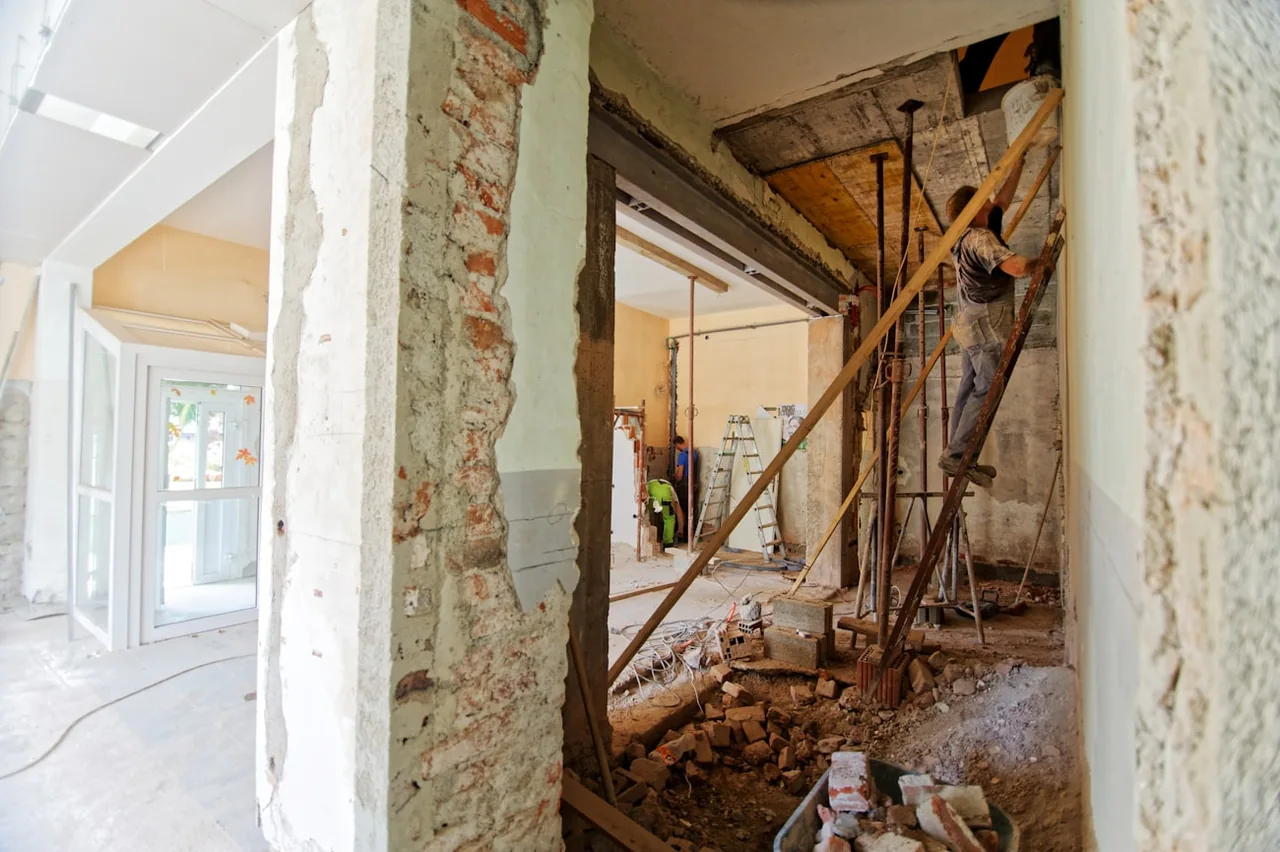
1. Confirm that the site is ready
Before booking the final clean, ask the contractor what work remains. Sanding, cutting, ceiling work and equipment installation can leave finished areas needing another visit. Record the last expected trade activity, the furniture delivery date and the owner walkthrough. A clear sequence is more useful than an ambitious cleaning date that nobody can keep.
The cleaning team also needs usable access, lighting, approved water and power, and a place to remove ordinary collected waste. Identify locked rooms and any surface that cannot yet be touched. Suspected hazardous materials, unidentified dust and remediation work need appropriate assessment; they do not belong in an ordinary final-clean checklist.
- Confirm who removes construction debris and leftover materials.
- Mark rooms that remain under contractor control.
- Provide finish schedules or care instructions for newly installed surfaces.
- Name the person who approves additional work and schedule changes.

2. Write the interior detail scope room by room
A floor plan makes a useful scope sheet. List each room, then mark the surfaces included in the clean. Two offices with the same floor area can have very different workloads if one has extensive cabinetry, interior partitions and built-in shelving. “Accessible surfaces” should mean something specific: agree on the reach, obstructions and equipment before work begins.
Scroll sideways to see all columns.
| Area | Items to put in the scope |
|---|---|
| Entrances and corridors | Door faces, handles, frames, accessible ledges, baseboards and floors |
| Offices and meeting rooms | Open work surfaces, accessible trim, interior glass and empty built-in storage |
| Restrooms | Fixtures, partitions, mirrors, dispensers, counters and floors |
| Breakrooms | Counters, sinks, cabinet faces and agreed empty cabinet interiors |
| Retail space | Unstocked fixtures, fitting rooms, checkout surfaces and sales-floor edges |
3. Treat glass and residue as separate line items
Count the panes and specify interior glass, exterior glass, or both. Include frames, sills and tracks only if they are part of the agreed work. Window film, decorative coatings and labels need attention before someone starts cleaning. A glass-cleaning price should not quietly assume that every adhesive, paint mark or masonry deposit can be removed.
Vitro advises testing the cleaning method on a small area and avoiding metal scrapers during routine glass cleaning. For a new installation, obtain the glass and coating instructions from the installer. Document visible scratches or damaged film before work, and refer unfamiliar bonded residue back for an approved method.

4. Identify floors before choosing the work
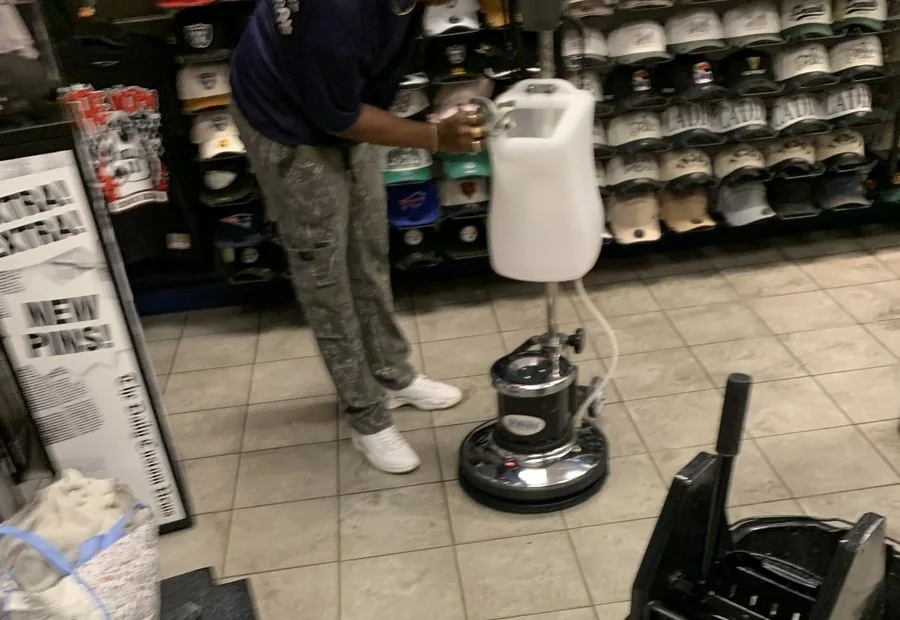
List the floor material in each room, including any applied finish. Photograph labels or retain product information when it is available. Tile, resilient flooring, carpet and finished wood should not be grouped under one vague instruction such as “buff all floors.” Cleaning, protective treatment and repair are different jobs.
Agree on how furnishings and equipment will affect access. If shelving is already stocked, the team may be able to clean only the open floor and accessible edges. Record any installer restrictions and who is responsible for removing protective coverings. Ask when the floor can be walked on again after the selected cleaning process.
5. Keep construction corrections off the cleaning list
Use two lists during the walkthrough: cleaning items and contractor items. Dust on a sill belongs on the cleaning list. A scratched sill, missing sealant or loose fitting belongs on the contractor list. Separating them makes it easier to resolve the actual issue and prevents a cleaning team from being asked to disguise unfinished work.
The same distinction applies to waste. Ordinary waste collected during the clean is different from removing pallets, heavy offcuts or abandoned equipment. Write down who owns each item. If the scope changes after the quote, ask for the revised work and price before it starts.
6. Walk the finished space before the next activity
Inspect the agreed surfaces in working light with the scope sheet in hand. Open the cabinets included in the job, look at corners and door edges, and check glass from more than one angle. Record any missed cleaning item by room so the crew can find it without another explanation.
If furniture installation or final trade visits follow the clean, reserve a separate touch-up scope. It might cover the entrance, new fingerprints, unpacking dust and traffic routes. Tell Blended the site address, approximate area, remaining work and handover date when requesting a post-construction cleaning quote.