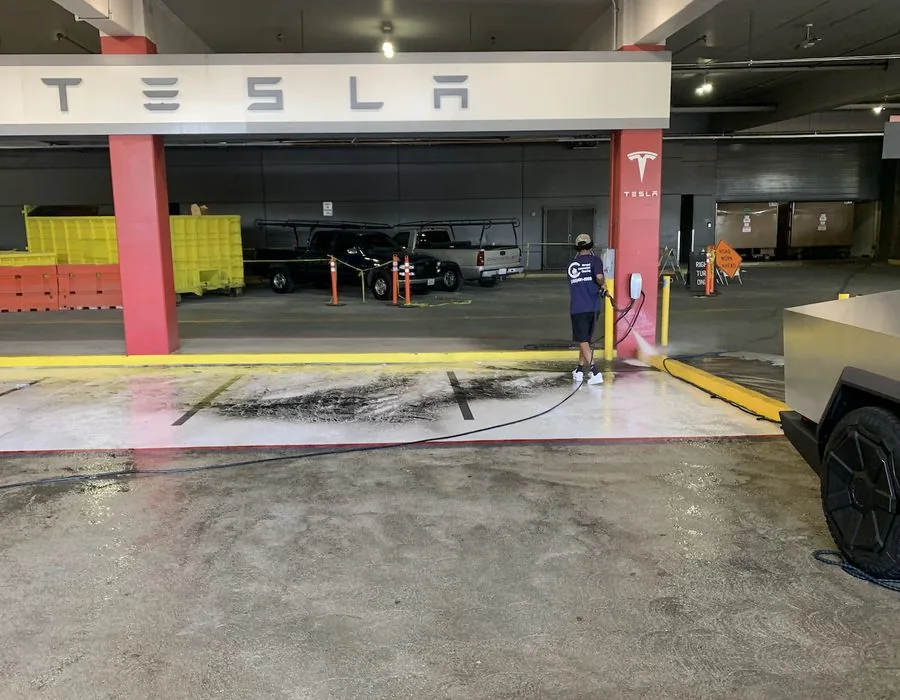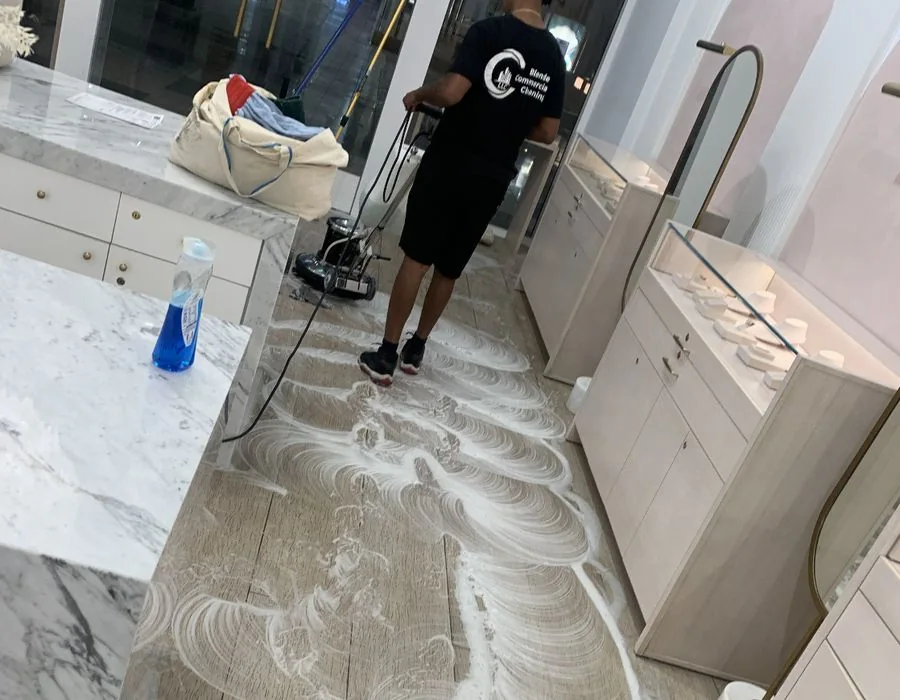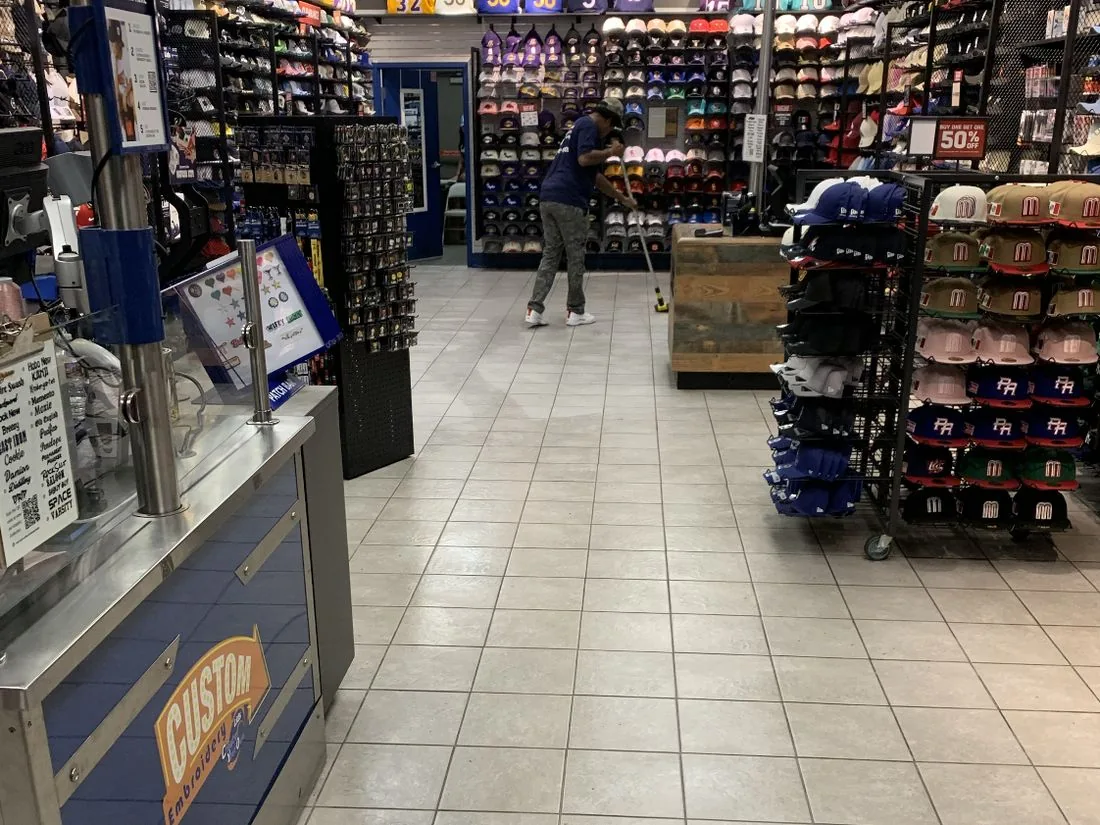
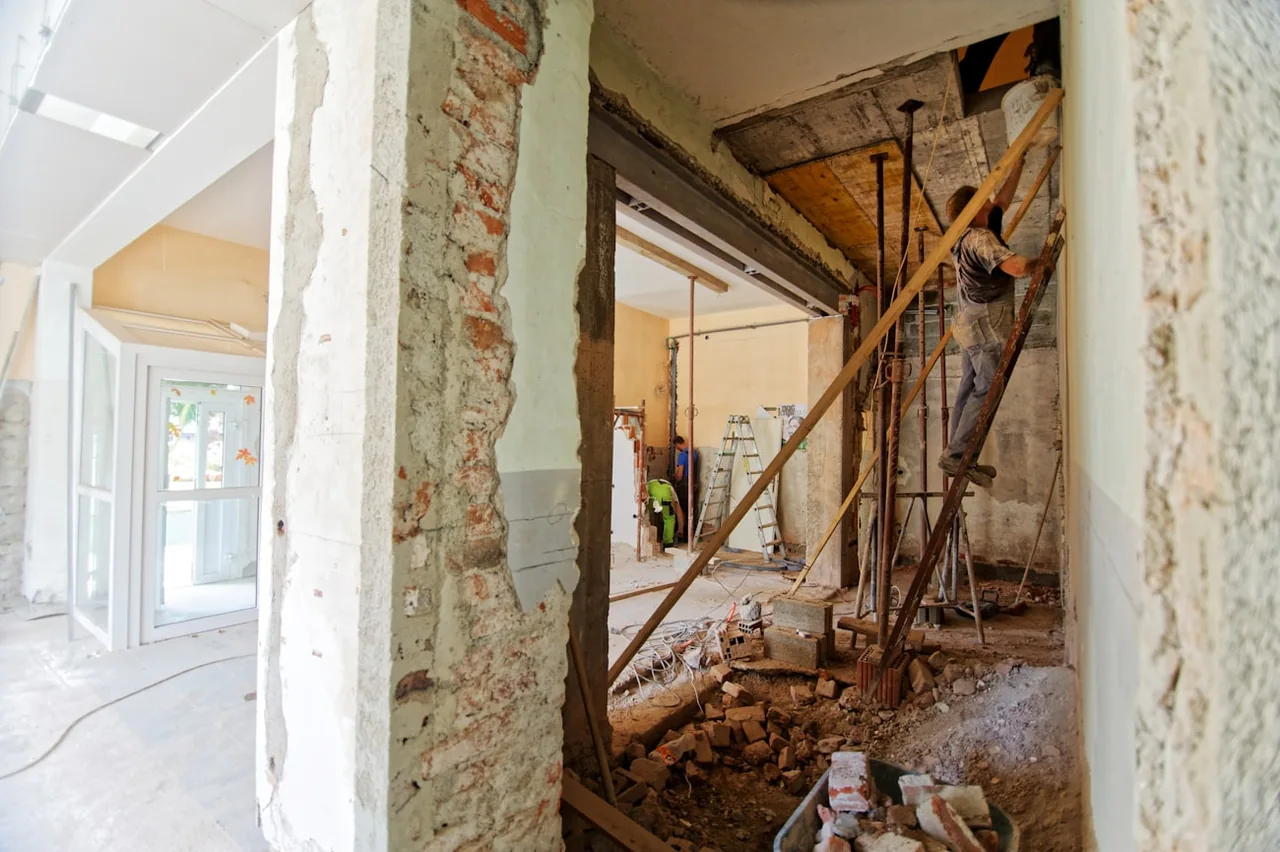
Rough cleaning prepares an area for the next stage
A rough clean may involve collecting agreed ordinary debris, cleaning accessible surfaces and preparing released rooms for later work. It is not a promise that the project is ready for occupancy. The contractor should identify which areas are safe and available to clean and which remain part of an active work zone.
Define the waste arrangement before comparing prices. Removing a few bags of ordinary collected waste is a different job from loading construction material into a truck. Specify what the trades remove first, where collected waste goes, and whether unfinished surfaces should be left alone. Unknown materials and hazardous work require the appropriate specialist assessment.
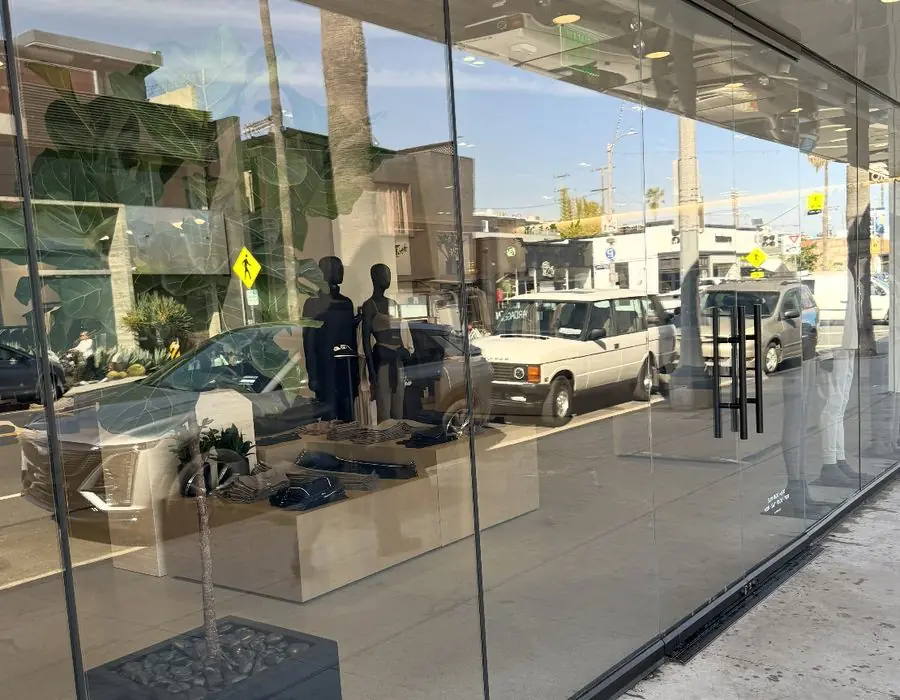
Final cleaning is the detailed handover clean
Final cleaning focuses on the installed surfaces that the owner or tenant will see and use. The scope can include accessible ledges, doors, baseboards, empty cabinets, restrooms, interior glass and floors. List these items instead of relying on the word “final” to include them automatically.
The timing matters. Ask whether trades have finished in each room, protective coverings have been addressed, and the installer has released new finishes for cleaning. If a ceiling contractor is returning tomorrow, it may be better to clean other completed rooms first. The final clean should follow the actual condition of the work, not just the date printed on an early schedule.
Touch-up cleaning deals with limited later disturbance
A touch-up visit can cover fingerprints after an inspection, dirt tracked through an entrance or dust left after furniture is unpacked. It is usually narrower than the final clean. Walk the affected route and identify the rooms involved, rather than asking for an undefined second pass through the entire building.
A new round of sanding, major drilling or extensive installation may create more than touch-up work. If that happens, share updated photos and revise the scope. Calling the visit a touch-up does not change the amount of cleaning needed. Agree on the likely tasks and a way to approve anything beyond them.
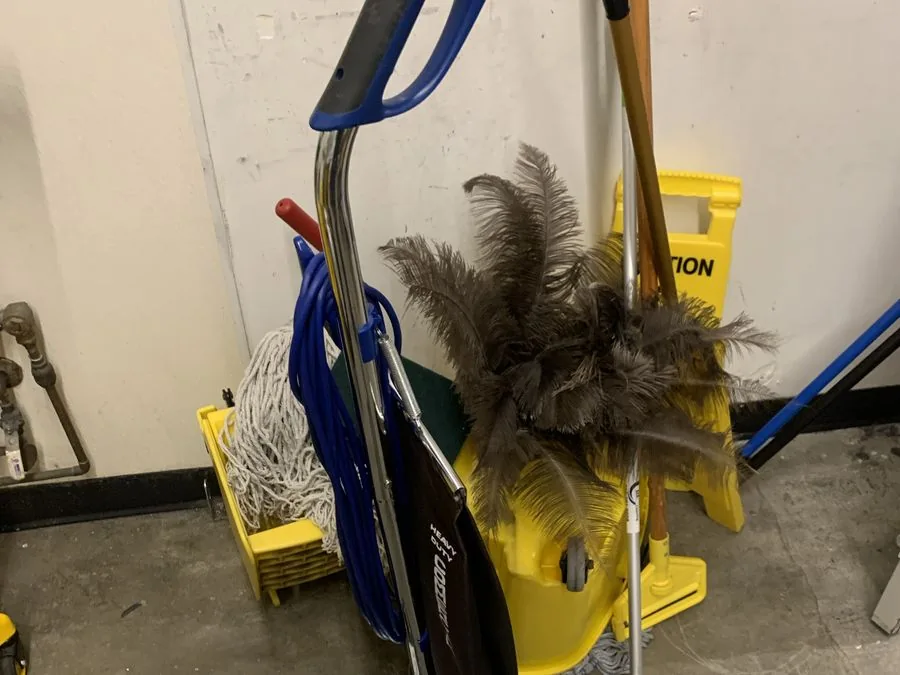
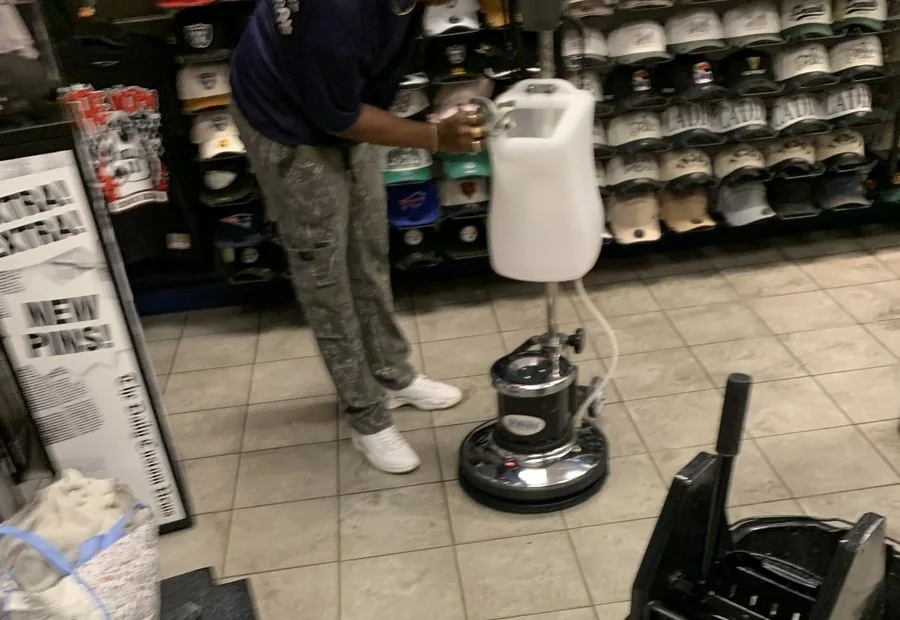
Compare the stages on one scope sheet
Use a table like this when asking contractors and cleaning providers to coordinate. Add a separate row for each floor or turnover zone if the project is being released in phases. This keeps a finished suite from being confused with an unfinished common corridor.
Scroll sideways to see all columns.
| Stage | Typical purpose | What to confirm |
|---|---|---|
| Rough | Prepare released areas for the next project activity | Accessible rooms, waste limits and surfaces to avoid |
| Final | Detail installed surfaces for the agreed walkthrough | Completed trade work, finish instructions and full task list |
| Touch-up | Address agreed marks or dirt introduced after final cleaning | Affected rooms, intervening activity and limits of the return visit |
Build the cleaning dates around the handover
Start with the date the tenant needs to enter, then work backward through the walkthrough, final clean and last construction work. Add furniture deliveries, merchandising, IT installation and any building access restrictions. An empty store and a fully stocked store need different cleaning plans, even when the address and floor area are identical.
For phased projects, nominate one person to release each area. Give the cleaning crew a clear place to begin, an approved route for equipment and a contact if work resumes nearby. If other teams must pass through a finished space, decide whether protection or another visit is needed. These are coordination decisions to settle before the crew arrives.
- Record the last dust-producing work in each zone.
- Confirm delivery and inspection dates.
- Identify who can change the schedule.
- State whether a return visit is included or separately quoted.
Ask for separate prices when stages are uncertain
One combined figure can make sense when the complete sequence is known. If the project is still changing, ask for the stages to be described separately, including any assumptions about site readiness. That makes it easier to understand what happens if a room is unavailable or a new task is added.
Send Blended the project type, city, approximate area, expected condition and dates for each requested visit. Include photos showing the work still in progress. A cleaning stage is easier to price and coordinate when everyone can see what is being handed over.