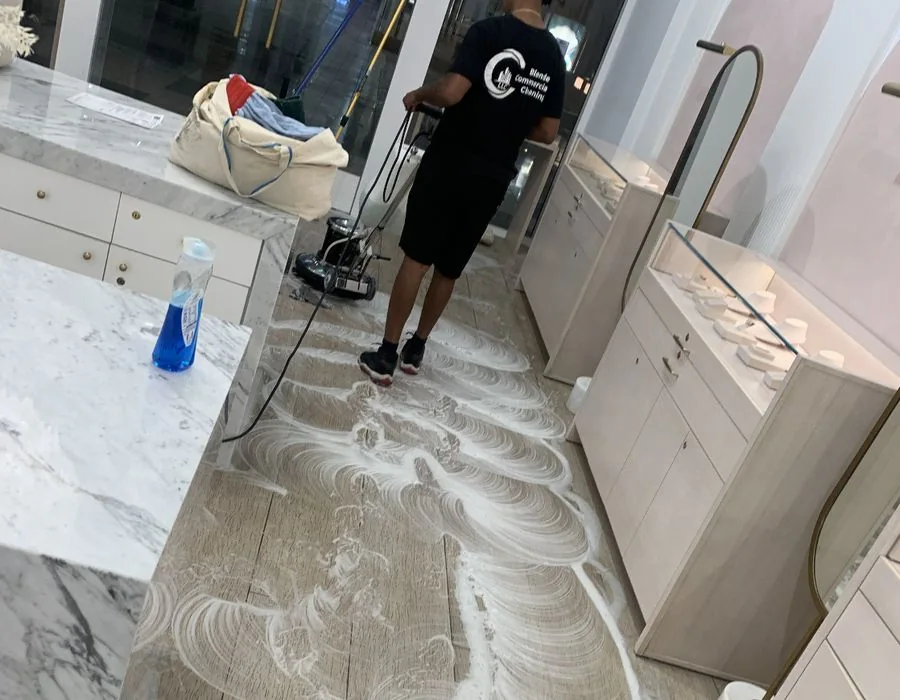
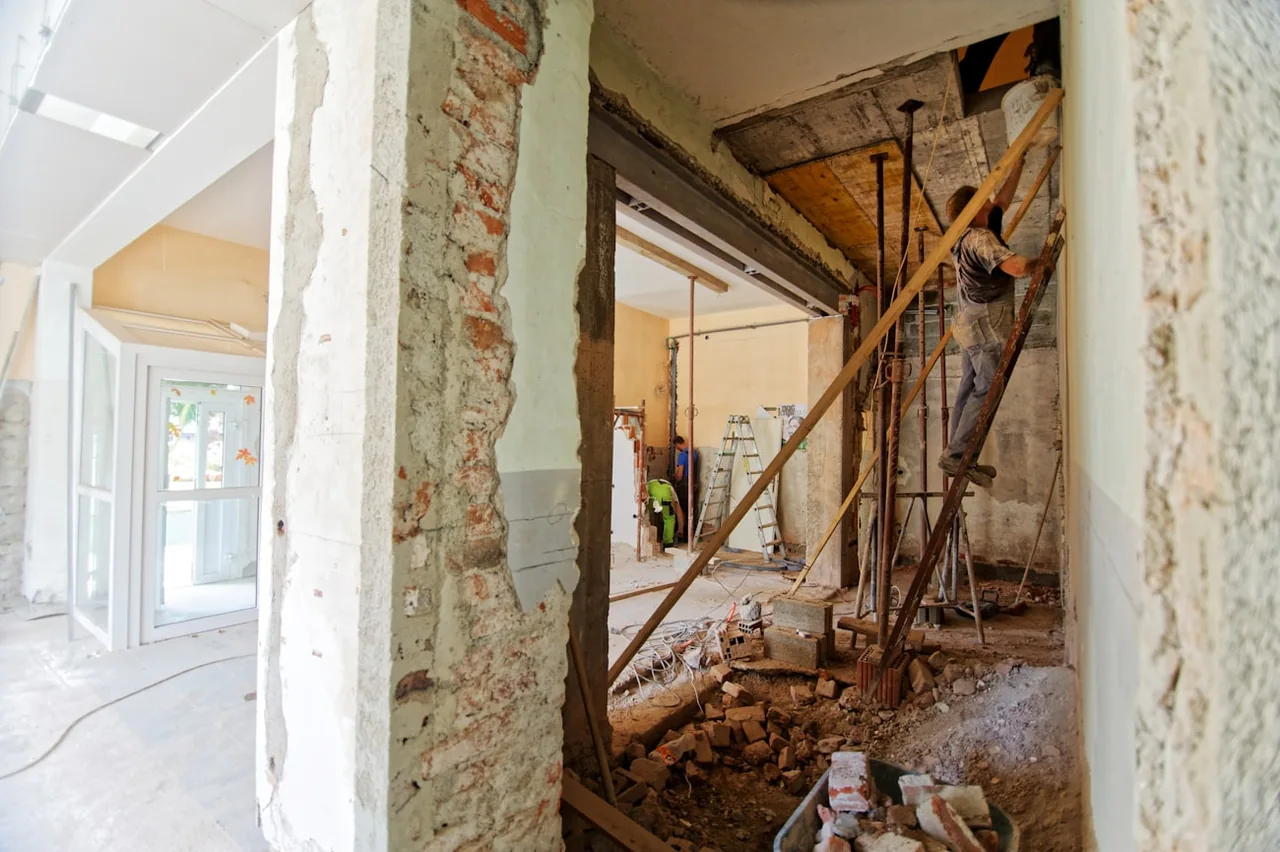
Identify who owns the scope and the approval
Start with the contractor, property manager and incoming tenant. Determine who is ordering the cleaning, who provides access and who can approve additional work. Those may be different people. Give the cleaning team one clear route for decisions so it is not left mediating between competing instructions.
Use the suite plan to mark the work boundary. A tenant-only restroom, shared corridor and building lobby may belong to different cleaning arrangements. Add service elevators, delivery routes and any exterior entrance work that is requested. The address alone does not define which parts of the property the quote covers.

Sequence final cleaning around remaining work
Ask for the last expected dust-producing work in each area and the date new surfaces will be ready to clean. Add punch-list corrections, inspection visits, furniture installation and merchandising. A final clean should be tied to released areas rather than a general statement that construction is almost finished.
If the project is being handed over in phases, give each zone its own cleaning date and access instructions. Decide how crews and deliveries will move past completed areas. If later activity is likely to leave marks or dust, discuss a separate touch-up visit instead of assuming the final clean will stay untouched.
Use a handover responsibility table
Fill in the names before booking the work. This table is a coordination tool; it does not change responsibilities already established in the project documents. Resolve any disagreement with the relevant project contact before asking the cleaning crew to proceed.
Scroll sideways to see all columns.
| Item | Decision to record | Responsible contact |
|---|---|---|
| Site release | Which rooms are ready and which remain active | Contractor or designated site lead |
| Building access | Keys, loading, elevator use and allowed working hours | Property manager or building contact |
| Surface information | Finish schedules and installer care restrictions | Contractor or installer |
| Cleaning acceptance | Who inspects the agreed tasks and records open items | Named ordering party |
| Post-clean activity | Deliveries, installation and any touch-up request | Tenant or fit-out coordinator |

Give new finishes a specific cleaning instruction
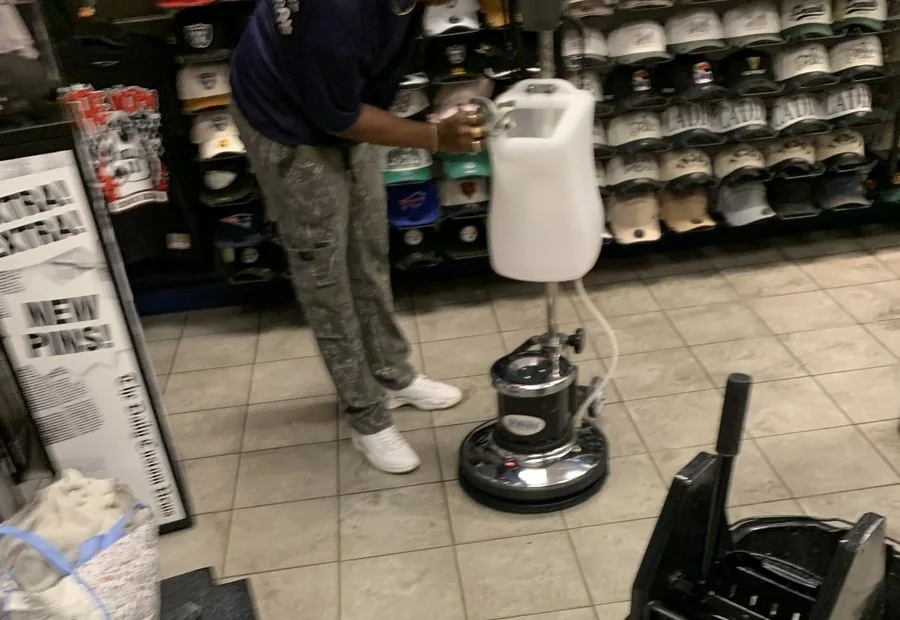
List the flooring, glass, counters and millwork rather than describing the suite as a single surface type. Ask installers for care information, including any restrictions on new finishes. Note protective film and labels that remain in place. Removing them should be an explicit task with an appropriate agreed method.
Photograph visible damage before cleaning and keep it separate from dirt or residue. Do not ask the cleaner to correct unfinished caulking, scratches or installation defects. Where the condition is uncertain, pause that item and obtain the relevant installer’s input. This keeps the handover list focused on the right owner for each issue.
Prepare the space for a productive final visit
Confirm approved water and power, available lighting and the route for bringing equipment to the suite. Remove contractor materials from the areas included in the scope. If the tenant has already delivered stock or furniture, identify what blocks access and who can move it. A cleaning team cannot inspect or clean a cabinet interior filled with someone else’s belongings without an agreed arrangement.
Tell the provider about building check-in procedures and any limits on parking, noise or elevator use. In a multi-tenant building, those details can matter as much as the size of the suite. Keep access codes and sensitive building instructions in the appropriate direct channel rather than an open project document.
- Release the rooms and remove agreed obstructions.
- Provide finish information and note surfaces to avoid.
- Confirm utilities, lighting and the equipment route.
- Arrange the person who will inspect the completed scope.
Close the cleaning list without hiding contractor items
At handover, review the same task list used for the quote. Record missed cleaning by room and surface, then track contractor corrections on their separate punch list. If an item cannot be completed because a room is locked or still under construction, record that condition and agree on the next step.
Before requesting a Blended quote, gather the suite address, approximate area, project stage, handover date and a few current photos. Include the requested cleaning stages and the person coordinating access. Those details help turn a crowded turnover schedule into a defined cleaning assignment.