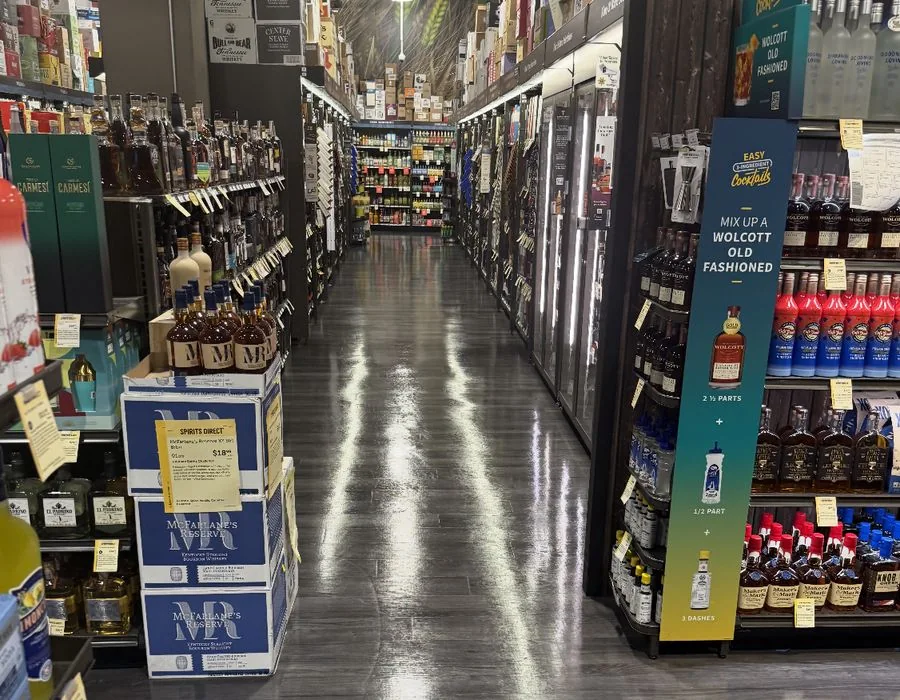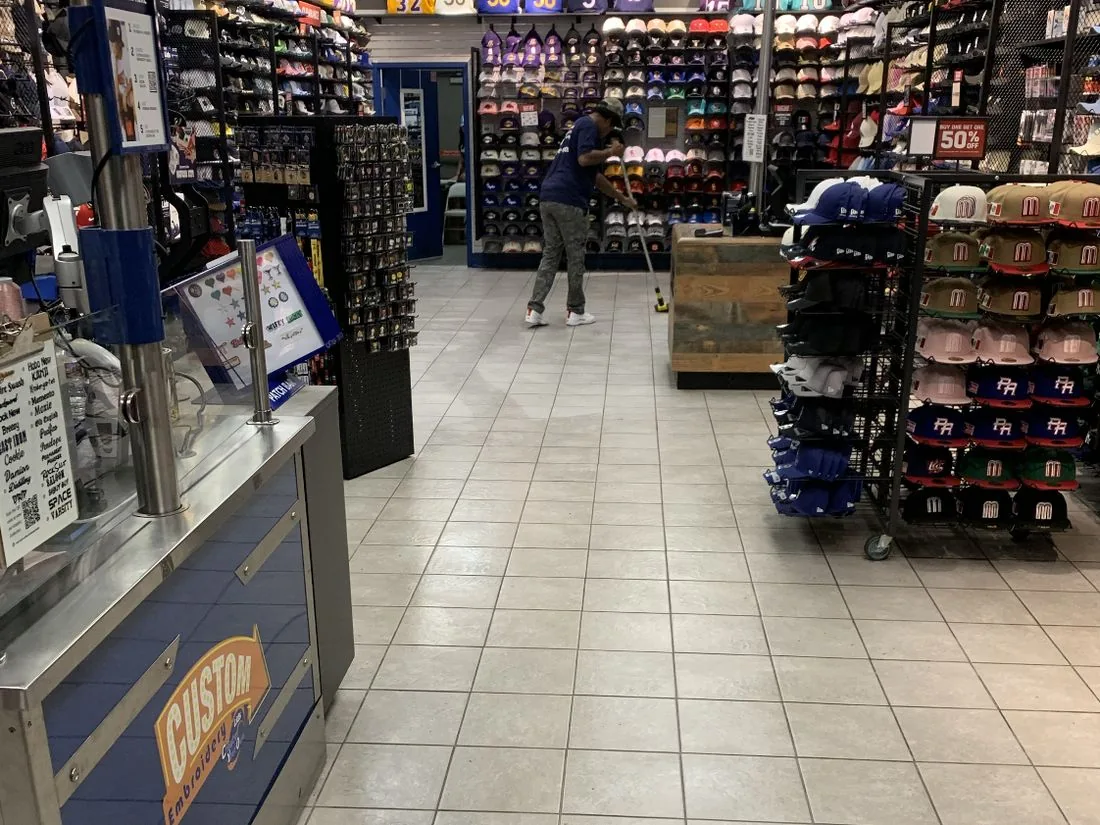
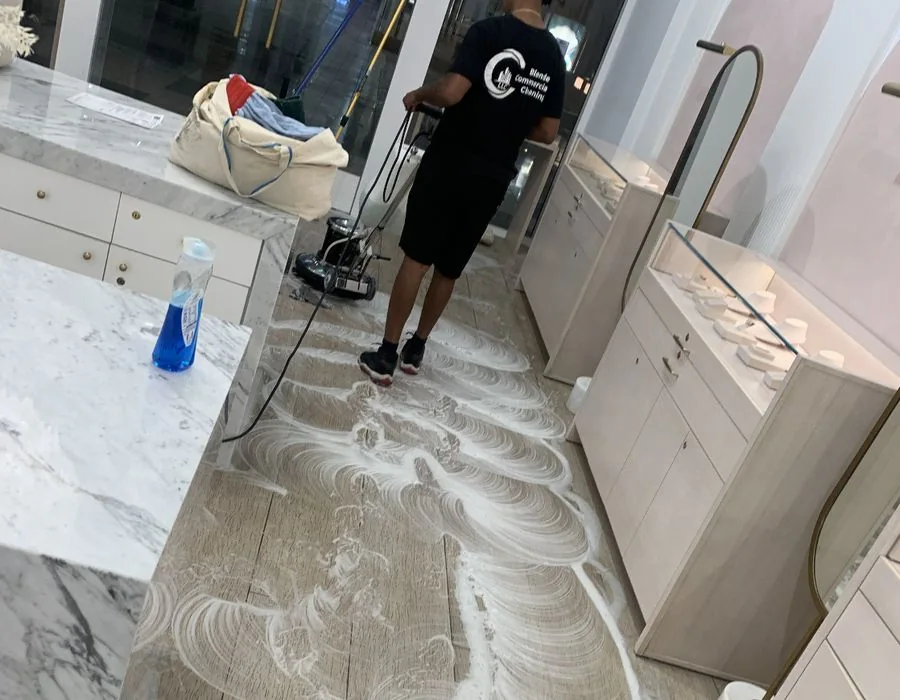
Start at the boundary of your cleaning responsibility
Long Beach’s business district information includes Downtown as well as neighborhood commercial areas. For a downtown suite or a smaller corridor property, the first janitorial question is the same: which rooms and shared spaces are you responsible for maintaining?
A tenant may control the office but use a restroom maintained by building staff. A property manager may arrange the common corridor while each tenant chooses an interior cleaner. Write those divisions down before comparing proposals. It prevents both duplicated work and gaps between contracts.
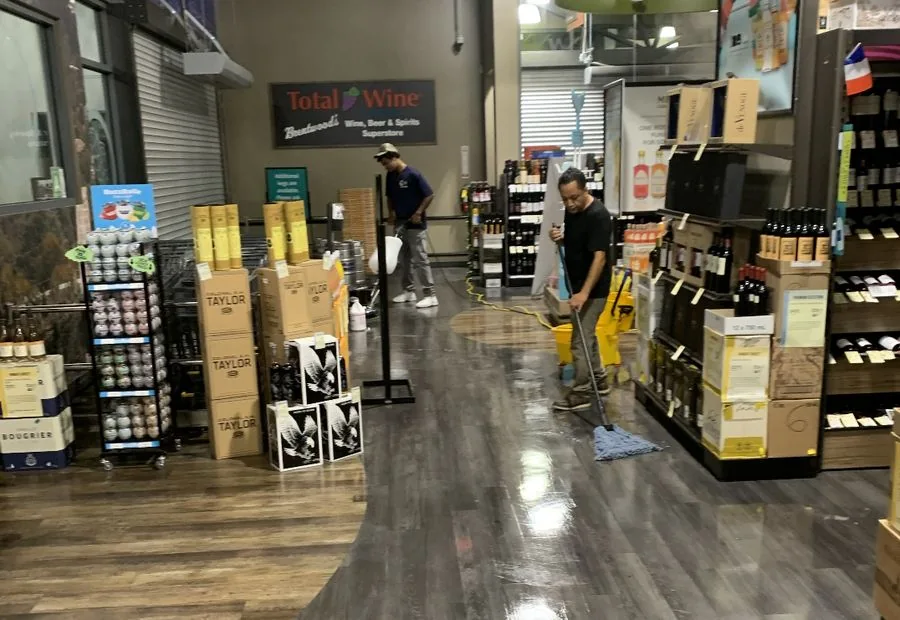
Build a room schedule from practical demand
Look at restroom use, food use, waste and floor traffic during a typical business week. A busy reception area may need a different frequency from a quiet file room. Describe visitors as well as staff so the proposed routine does not rely only on employee count.
Name the every-visit tasks and the rotating details. The same task list should be understandable to the person opening the building and the person reviewing the service, without either needing to guess what general office cleaning means.
- Clean restroom fixtures, mirrors, sinks and specified floor areas.
- Clean available kitchen or breakroom counters, tables and sinks.
- Remove waste from the agreed rooms and bins.
- Vacuum accessible carpets and clean identified hard-floor paths.
- Clean defined door glass, handles and other accessible contact points.
Scroll sideways to see all columns.
| Walkthrough item | Suggested scope | Preparation or decision |
|---|---|---|
| Tenant responsibility | Show internal rooms separately from common facilities. | Ask the building contact to confirm the division. |
| Low-visibility detail | Assign behind-door edges and waste-station surrounds. | Record the rotation so these tasks can be checked. |
| Unavailable room | Identify the room and the task that could not be completed. | Agree how access problems and follow-up work are reported. |
Include the less-visible areas deliberately
Behind-door floor edges, accessible ledges and the area around a waste station can be missed when the routine only names central surfaces. Put those details on a rotation. If they already have heavy buildup, discuss an initial detail clean rather than expecting a maintenance visit to recover everything at once.
Appliance interiors, full-height glass and periodic floor treatments also need explicit wording. Identify the preparation required, including who clears contents or furniture. That makes the recurring price and occasional work easier to understand.
Agree how the building opens and closes
Identify the service entrance, approved waste destination and room-release times. If a security desk, shared lift or manager controls access, include that arrangement before the schedule is confirmed. Staff who remain late should know which rooms the cleaner may enter.
Keep supply responsibilities equally clear. Purchasing paper and soap, stocking a cupboard and refilling a dispenser are separate tasks. Record the approved products and who reports low stock. Confidential bins and rooms with restricted contents should remain identified exclusions.
Request a Long Beach janitorial quote
Send the address, suite or floor, approximate area, restroom count and proposed frequency. Include the shared-area arrangement and the specific problem with the current routine. Photos of neglected details can help explain the starting condition.
Blended can discuss the room list and confirm a service arrangement once scope and access are clear. Use the same list when requesting a change, such as adding a newly occupied room or increasing service for a busier reception area.