Define the office interior before comparing quotes
Long Beach identifies Downtown and Bixby Knolls among its business districts. An office in a larger downtown building and one in a smaller commercial property may both need routine cleaning, but their shared facilities can be very different. Start by marking the suite boundary.
List reception, meeting rooms, private offices, workstations and any internal kitchen or restroom. Then identify the common hallway, lobby and other facilities maintained by the landlord. If your business is responsible for a shared room, show it as a separate line rather than leaving it buried inside the office area total.

Follow the visitor route through the suite
Reception surfaces, entry glass and the path to a meeting room shape how the office feels on arrival. Give those places specific tasks. The same list should continue into staff facilities so the visible front does not receive attention at the expense of the working rooms behind it.
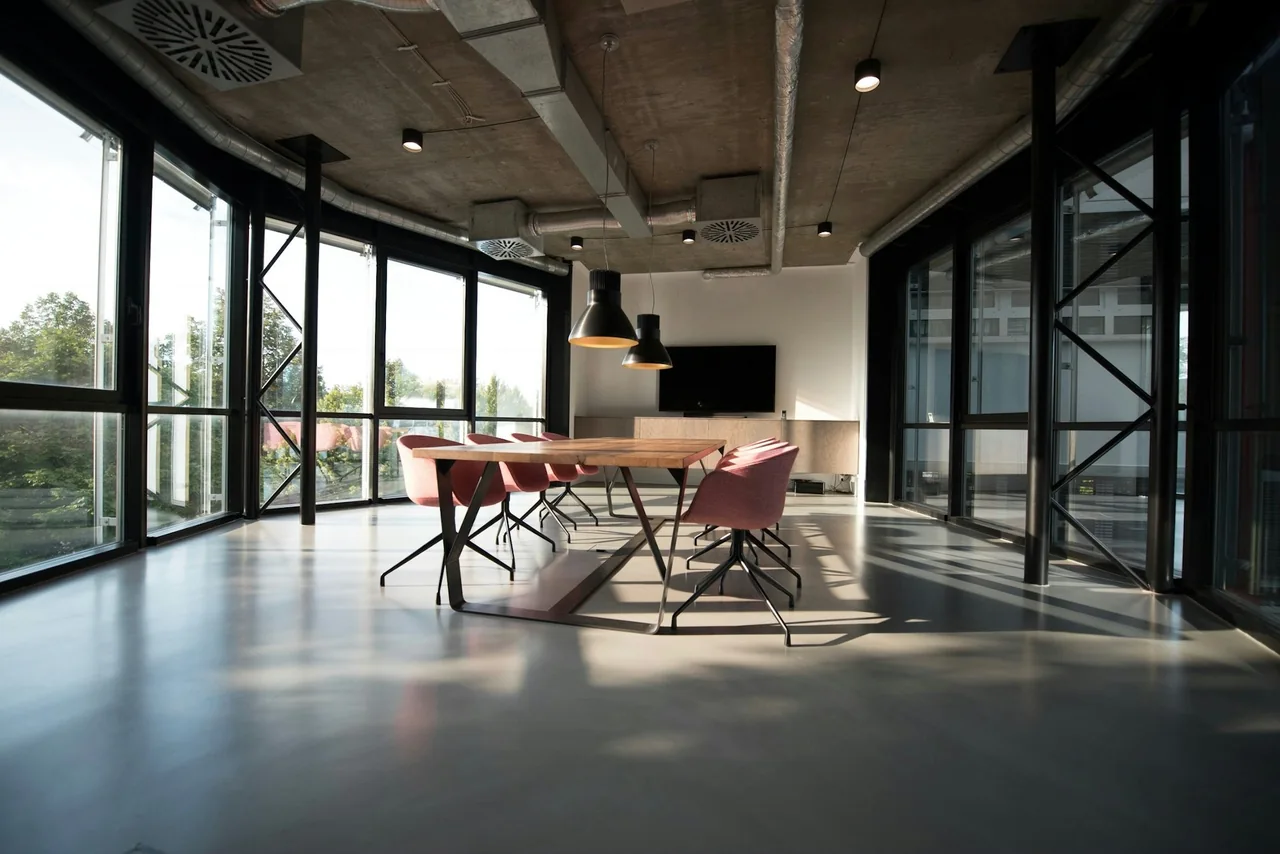
For meeting rooms, identify the clear table surface, accessible chair touch points, interior glass and floor area. Staff should remove paperwork and equipment they do not want handled. Cleaning should not require guessing which meeting materials can be moved.
- Clean reachable entrance glass and approved reception surfaces.
- Vacuum accessible carpet paths and clean identified hard floors.
- Remove waste from the named office and common-room bins.
- Clean breakroom counters, tables, sinks and specified appliance exteriors.
- Clean internal restroom fixtures, mirrors and floor areas where included.
Scroll sideways to see all columns.
| Walkthrough item | Suggested scope | Preparation or decision |
|---|---|---|
| Visitor arrival | Name reception surfaces, entrance glass and meeting-room paths. | Keep common lobby work distinct from the private office. |
| Meeting-room preparation | Include cleared tables and agreed accessible chair surfaces. | Have staff remove papers and equipment from the work area. |
| Periodic carpet work | State the actual area and task beyond routine vacuuming. | Confirm furniture clearing and when the room can be unavailable. |
Use a clear-desk approach that protects ongoing work
Tell staff which surfaces need to be clear before a visit. Papers, samples and personal items should remain undisturbed unless another arrangement is explicit. Computer screens, keyboards and technical equipment are not automatically part of ordinary surface wiping.
Closed offices and confidential rooms need an access rule. If a room is unavailable, the cleaning contact should record that fact and the area missed. This helps separate an access problem from a service problem and gives the office manager a concrete next step.
Separate the weekly routine from periodic details
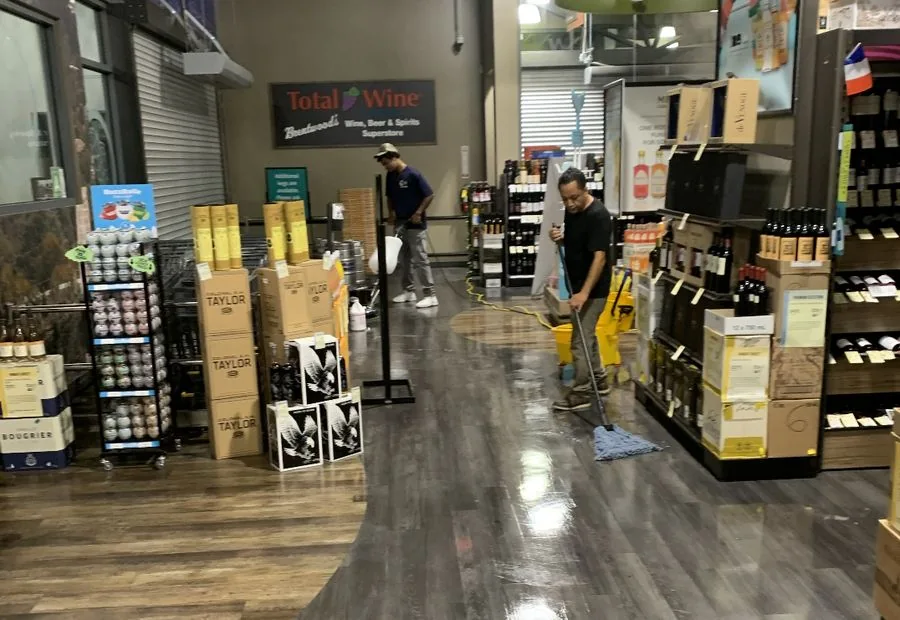
Traffic-path vacuuming is different from detailed carpet cleaning. Touch-mark cleaning on a glass door is different from cleaning the whole partition and frame. Ask for the frequency and extent of each task so the proposal can be compared fairly.
Baseboards, accessible ledges, behind-door edges and appliance interiors can be put on a separate rotation or service request. Where the office has older buildup, discuss a first detail clean before the recurring plan starts. A newly renovated suite may need construction cleaning instead.
Request a Long Beach office-cleaning proposal
Send the address, suite, approximate area, room count, staff and visitor pattern, and preferred hours. Add the current issue you want solved and the building’s access arrangement. Blended can discuss the scope, initial condition and proposed schedule before service is confirmed.
A useful completion check follows the same room list. Name the room and surface when reporting a concern so a small missed detail does not turn into an unclear conversation about the whole office.