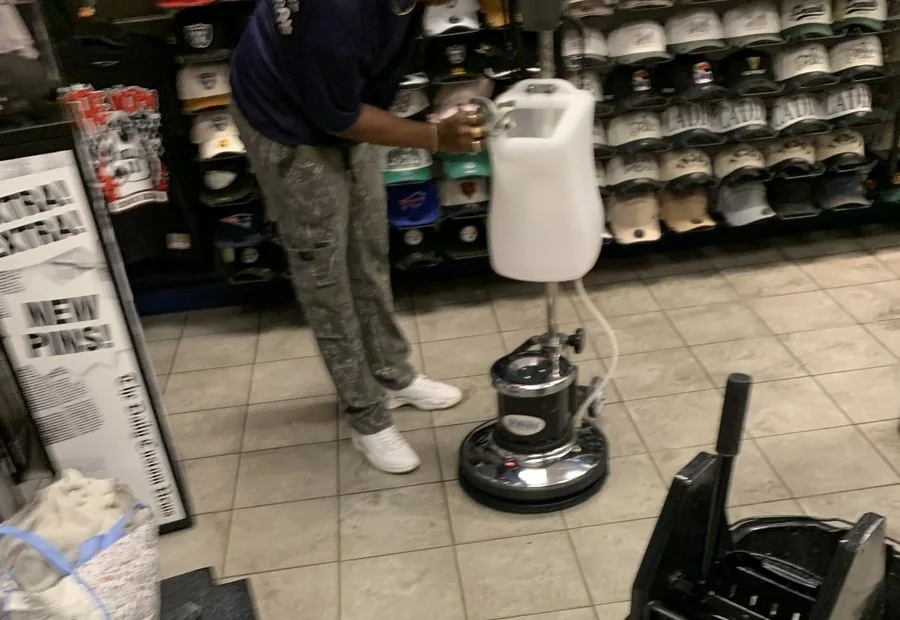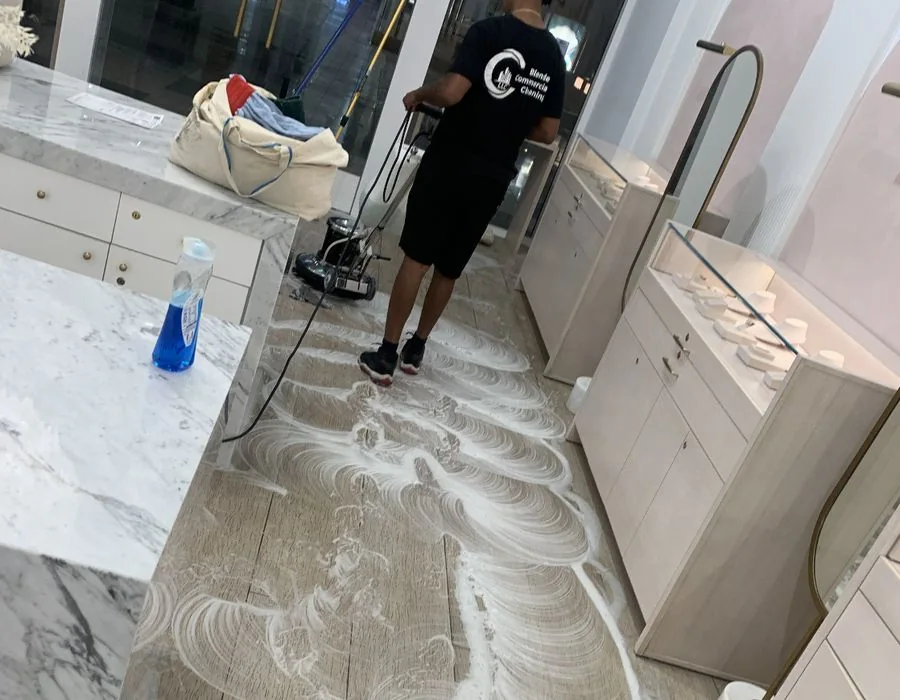
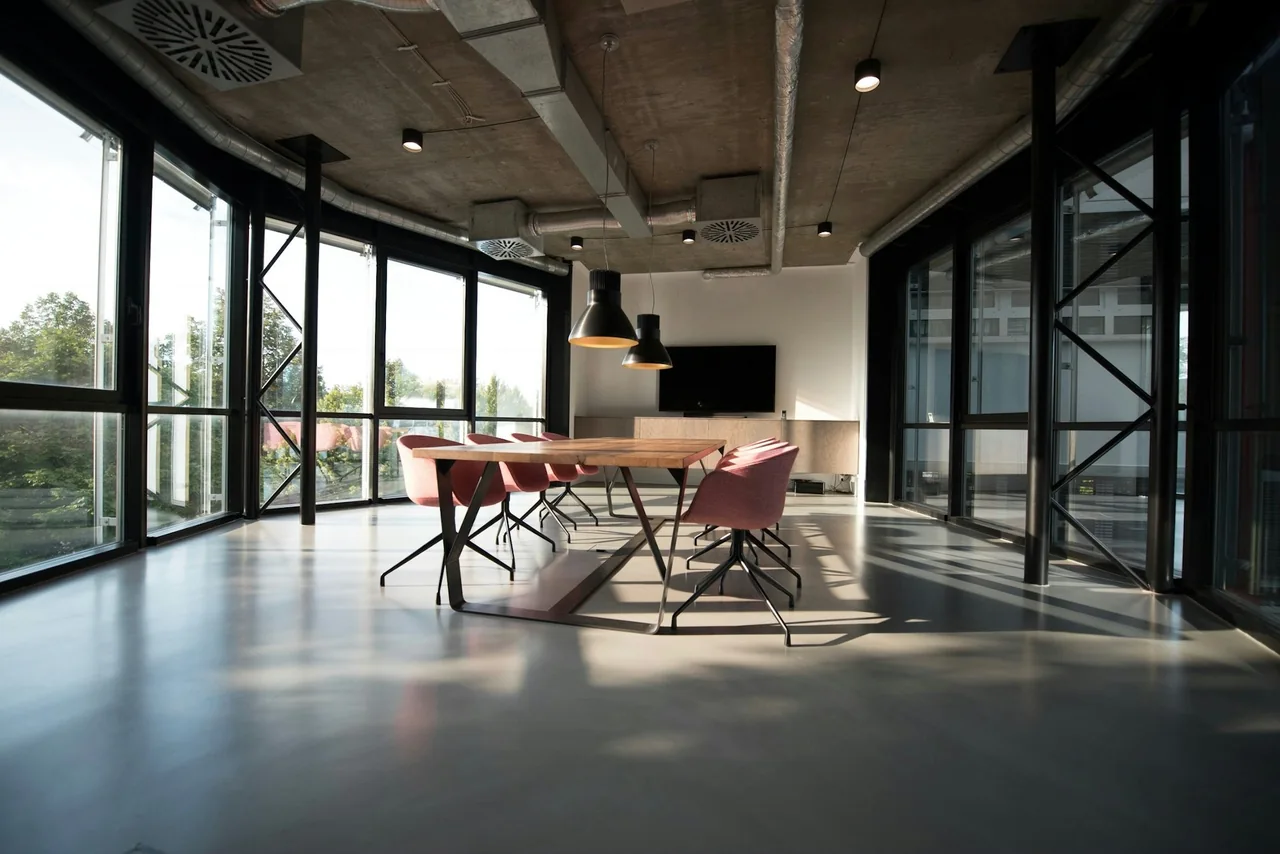
Use the same checklist, then record the differences
Orange County offices operate in different settings, including Irvine’s office and mixed-use properties and Anaheim’s commercial development areas. A regional office-cleaning request should include each exact address and its room layout. The same company name does not make the cleaning workload identical.
Use consistent task names where the work is the same. Then record whether one office has internal restrooms, another uses shared facilities, and another has a larger visitor meeting area. This makes it possible to compare proposals and understand why visit patterns may differ.

Define the ordinary office-cleaning visit
Begin with the rooms used by staff and visitors. The routine should identify available surfaces, bins, floor paths and food areas rather than assume a square-foot total describes them. Ask staff to clear the surfaces they want cleaned and define what remains untouched.
- Reception and meeting areas: approved clear surfaces, touch points and stated glass work.
- Work areas: specified waste removal and accessible floor cleaning.
- Kitchenettes: counters, tables, sinks and agreed appliance exteriors.
- Private restrooms: fixtures, mirrors, contact points and the identified floor area.
- Entrances: reachable door glass, thresholds and the mat surround.
Scroll sideways to see all columns.
| Walkthrough item | Suggested scope | Preparation or decision |
|---|---|---|
| Comparable office tasks | Use a consistent list for counters, bins and floor paths. | Mark each site with private or shared restroom responsibility. |
| Local workload | Record meeting rooms, food use and busy attendance days. | Review the visit pattern separately for each address. |
| Initial and periodic work | Separate move-in detail, carpet treatment and appliance interiors. | State preparation and frequency beside the recurring room list. |
Set frequency from occupancy and room use
An office with frequent visitor meetings may need more attention to tables, glass and restrooms than a small low-occupancy workspace. A busy kitchenette can drive cleaning needs even when many desks are unused. Provide the working pattern for each site rather than choosing a visit frequency from area alone.
Low-use rooms should still have a rotation. Make that rotation visible alongside every-visit tasks so a storage approach, accessible ledge or floor edge does not stay outside the routine indefinitely. When attendance changes, update the room sheet.
Compare periodic and initial work separately
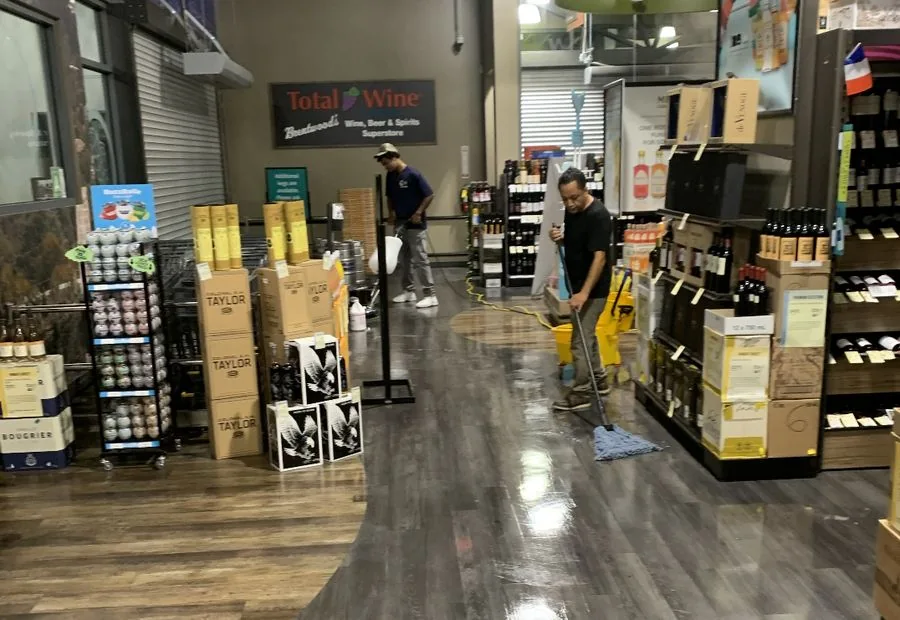
Routine vacuuming does not describe deep carpet cleaning, and a door touch-mark pass does not describe full glass detailing. Larger floor or glass work needs its own area, preparation and frequency. Appliance interiors and cabinet interiors also require a clear contents-clearing arrangement.
For a new lease or neglected office, an initial detail clean can be separated from recurring upkeep. For a new build-out, construction dust and installation residue need a post-construction scope. That separation keeps the first condition from being hidden inside an ordinary maintenance price.
Keep access and supplies local to the building
Confirm the service entrance, lift or stair access, locked rooms and common-area responsibility at each property. Identify the person who can release rooms when staff work late. Supply purchasing, stock storage and dispenser refilling should also be documented separately for each office.
Send Blended the address list, approximate areas, room counts, preferred hours and main concerns. Coverage and the proposed office-cleaning arrangement can then be discussed for the actual sites, with initial work, recurring tasks and exclusions shown clearly.