Collect the same opening information for every site
Use a consistent intake form when adding a location. Ask the local manager to check the information rather than relying solely on an old lease plan. New fixtures, relocated storage and changed access procedures can make a previously accurate document misleading.
Scroll sideways to see all columns.
| Site field | Information to record |
|---|---|
| Property and rooms | Address, approximate cleanable area and included room list |
| Use and schedule | Opening hours, busy days and approved cleaning window |
| Surfaces | Floor materials, glass areas and any care instructions |
| Access | Entry contact, loading route and building check-in process |
| Supplies | Storage location, purchasing responsibility and stock contact |
| Exceptions | Restricted rooms, equipment to avoid and landlord-maintained areas |
Assign local decisions and central approvals
Name a local contact who can answer access questions and point out site conditions. Separately identify who approves price changes, extra visits or periodic services across the business. A store manager should know whether a request can be approved locally or must go through a regional contact.
Agree on how urgent site observations travel to the right person. A locked room, a leak and a request for extra glass cleaning are different issues. The reporting format should describe what happened, where it happened and whether the cleaning work could continue. Avoid passing every detail through several people without assigning an owner.

Compare performance using the same inspection points
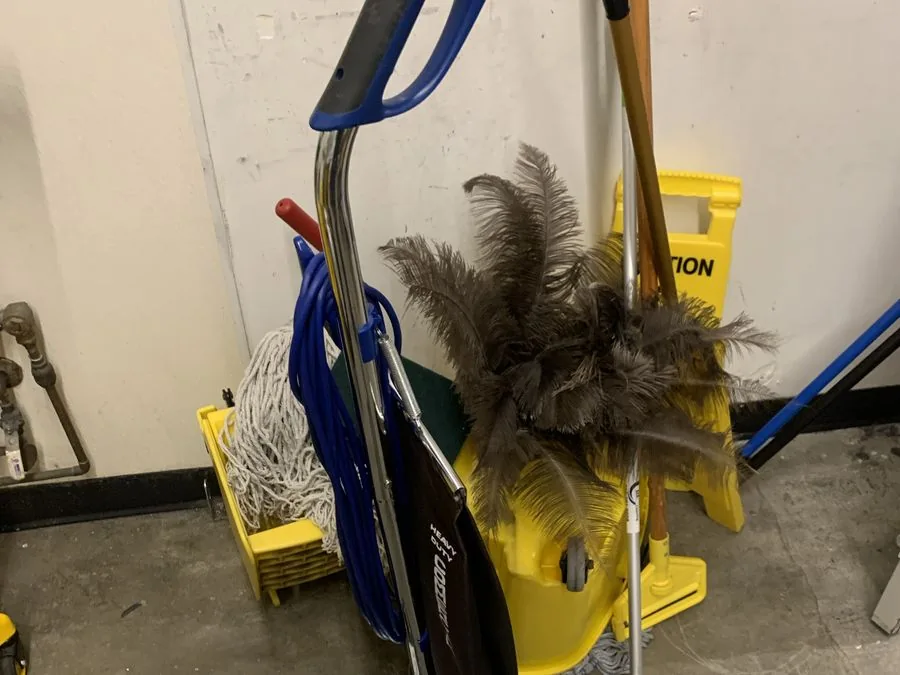
Choose a small set of comparable points, such as the entrance, one restroom counter, a floor edge and an agreed work surface. Pair the check with the task frequency: a periodic job should be evaluated against its scheduled date. A photo can clarify an issue, but it should identify the location and show only what is needed.
Do not rank sites by appearance without context. A heavily used location inspected before its next visit is different from a quiet site inspected immediately after cleaning. Record the visit time, observation time and unusual activity. That makes the report useful for adjusting the plan rather than simply creating a score.
Keep change control simple enough to use
Give each site sheet a date and a named owner. Update it when the layout, schedule, floor material or local contact changes. Keep the current version in one agreed location so a replacement manager does not restart with an outdated attachment. Record a change clearly instead of burying it in a long email thread.
When discussing multiple locations with Blended, provide the site list, property types, approximate areas and desired service frequency. Share any existing standard and point out the differences between locations. The next step is to confirm coverage and a suitable scope for each address, with a clear process for reporting and approval.