One workplace, several kinds of daily use
The Southeast Valley community information published by Los Angeles City Planning identifies commercial corridors and industrial uses. A business in that broad setting may put administrative offices beside a showroom or stock area. The janitorial routine should identify the ordinary work rooms and their connecting routes.
Describe where staff enter, where deliveries arrive and which doors connect to more heavily used areas. A short transition floor can carry soil into the office and deserve attention every visit, while a closed meeting room may need a different frequency. The actual use of the property is the useful starting point.
Give common staff facilities a full task list
Shared restrooms and breakrooms can be used by more people than the office headcount suggests. Include the staff who work elsewhere in the building when discussing use. Define sinks, counters, fixtures, dispensers and floors as separate tasks instead of a single instruction to clean the room.
- Remove waste from identified office and staff-area bins.
- Clean restroom fixtures, mirrors, sinks and accessible contact points.
- Clean clear breakroom counters, tables and approved appliance surfaces.
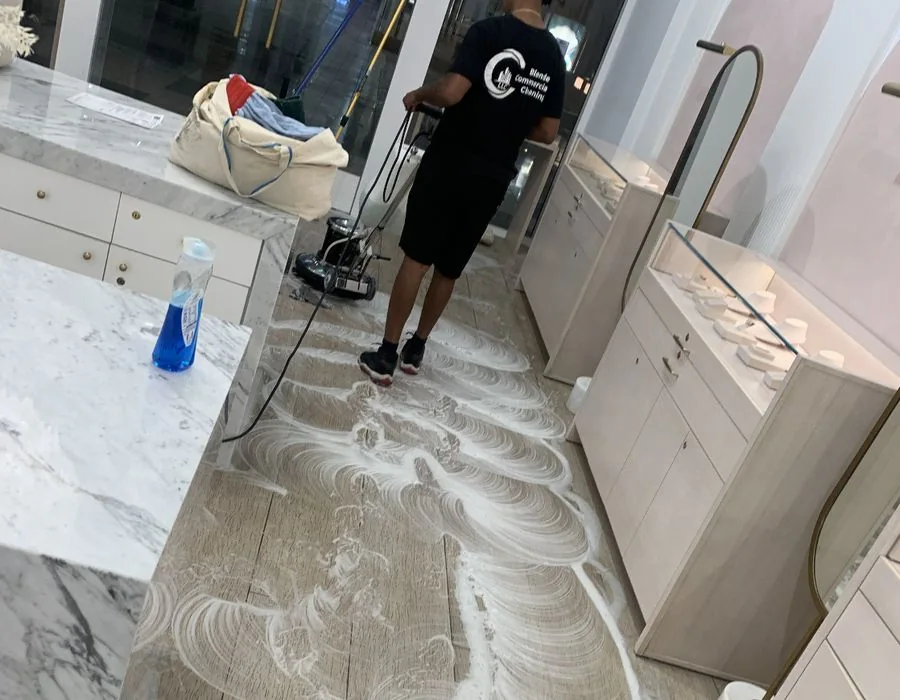
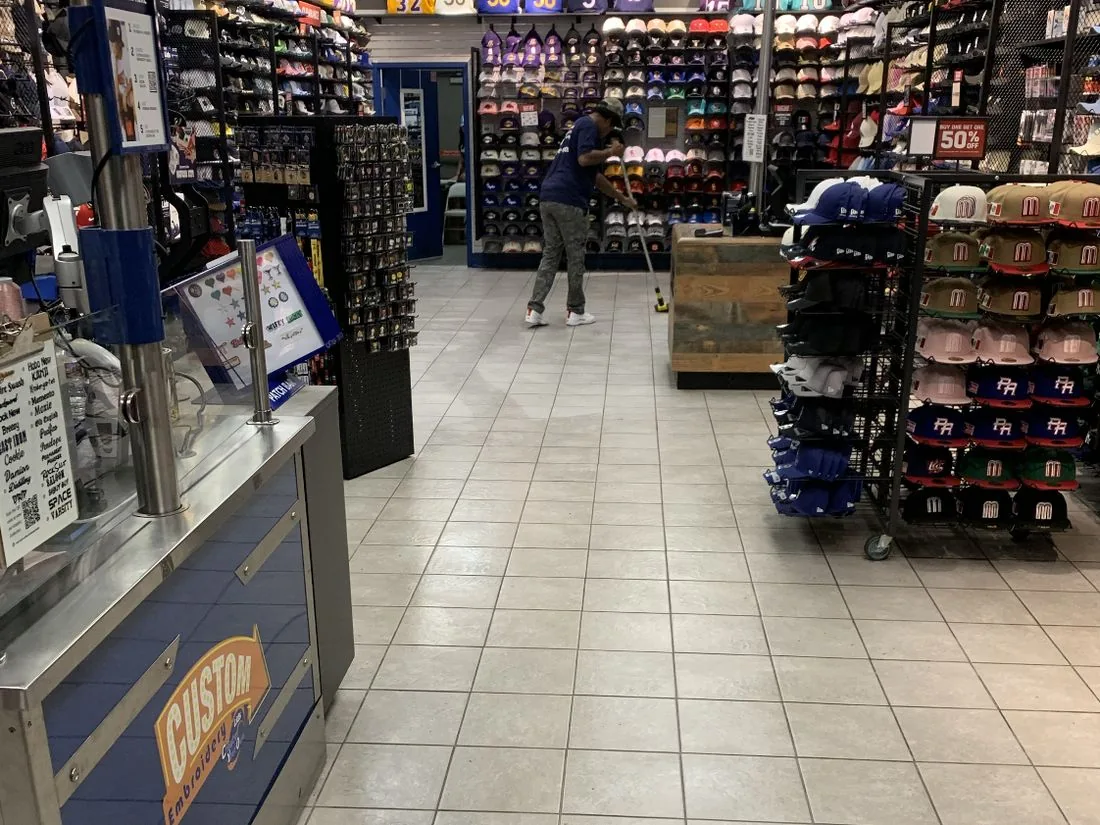
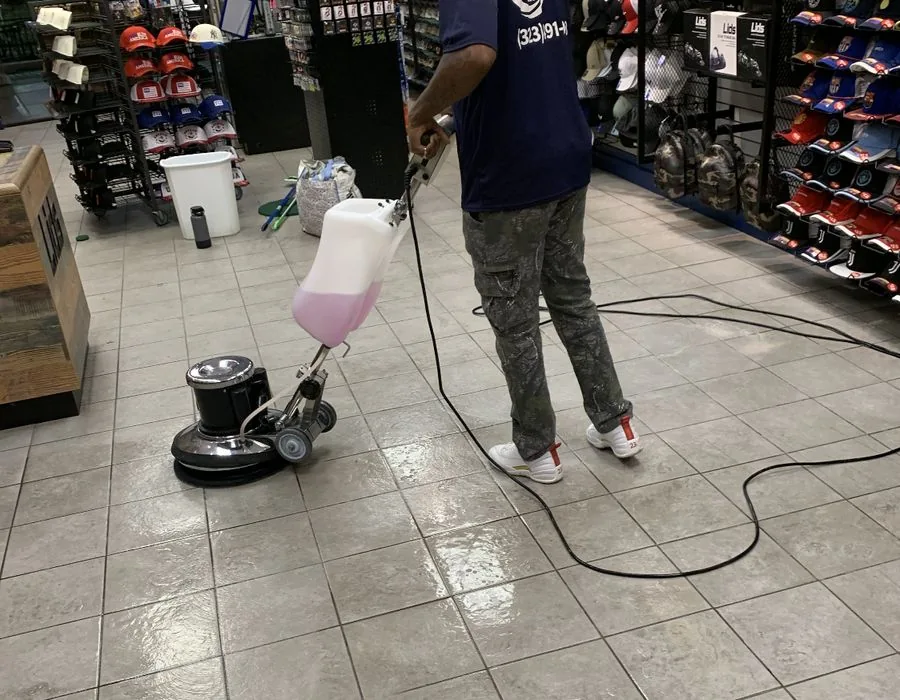
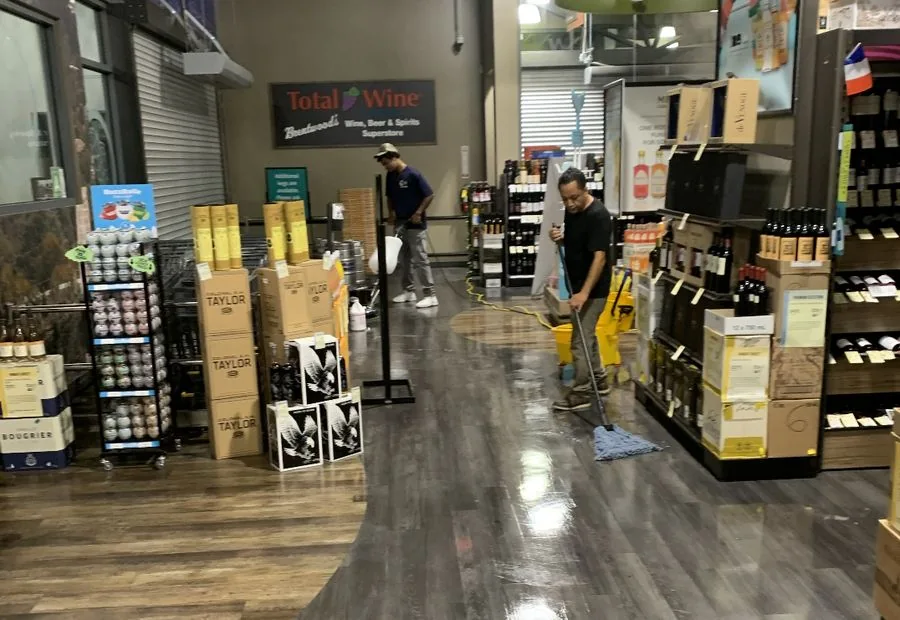
- Vacuum office paths and clean specified hard-floor areas.
- Attend to entrance glass, handles and the immediate threshold area.
Scroll sideways to see all columns.
| Walkthrough item | Suggested scope | Preparation or decision |
|---|---|---|
| Internal transition | Add the doorway and traffic path between work areas. | Identify soil entering the office from adjoining rooms. |
| Shift-used facilities | Count everyone using the staff sinks and restrooms. | Set access around the actual break and shift pattern. |
| Contents boundary | Name accessible floors and cleared ordinary surfaces. | Keep stored products, records and machinery explicitly identified. |
Draw a firm boundary around contents and equipment
Stored products, working samples and machinery should not be included by a broad promise to clean the whole building. Mark the surfaces and floor areas available for ordinary janitorial work. Anything requiring equipment operation, specialist handling or hazardous-material work needs a separate assessment.
For desks and counters, agree what staff will clear before the visit. Identify locked rooms, private records and any bins controlled by a confidential disposal service. If access is unavailable, the cleaning contact needs a way to report the room and reason rather than improvise.
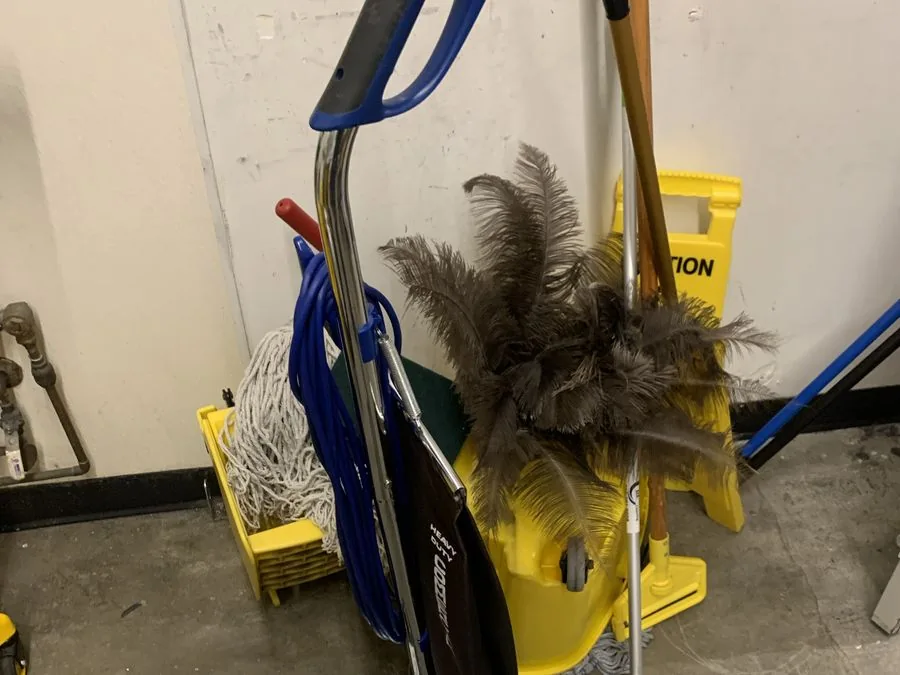
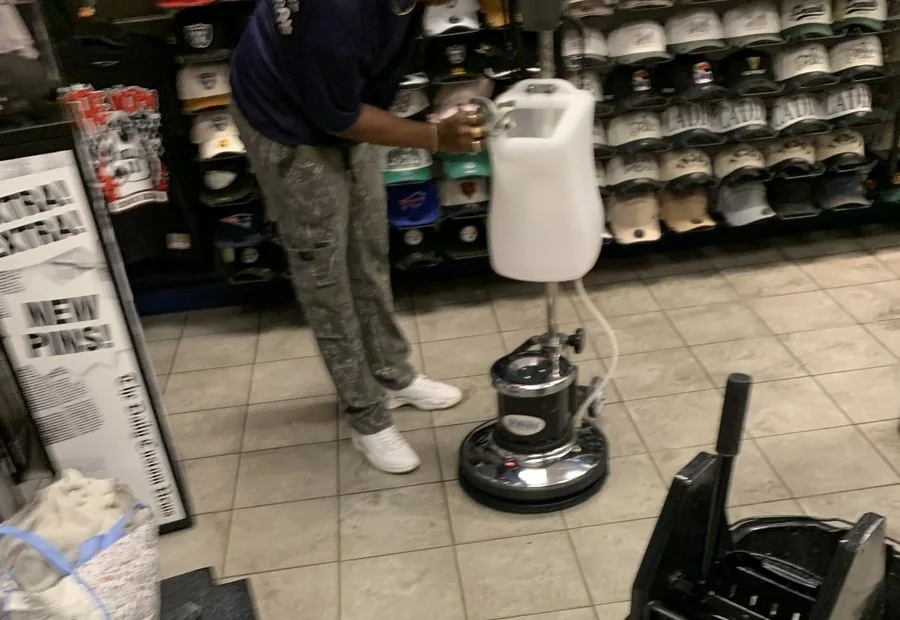
Make periodic work visible beside the routine
Floor edges, accessible higher ledges, larger glass surfaces and heavier buildup can have a rotation or separate service date. They should not disappear behind the words as needed. If the first visit requires extra recovery work, list it as an initial clean.
A recently remodeled office may still contain construction residue that is outside recurring upkeep. Show that condition in photos before quoting. Getting the starting clean right makes later maintenance easier to describe and inspect.
Prepare the Valley service request
Send the exact community and address, business type, approximate area, restroom count and preferred visit pattern. Add staff-use details, the main cleaning problem and any access restrictions. For several sites, prepare a separate room sheet for each.
Blended can discuss the proposed janitorial routine and confirm the service arrangement for the property. Ask for supply purchasing, dispenser refilling and extra-work requests to be stated so the recurring service remains manageable.