What recurring janitorial services usually cover
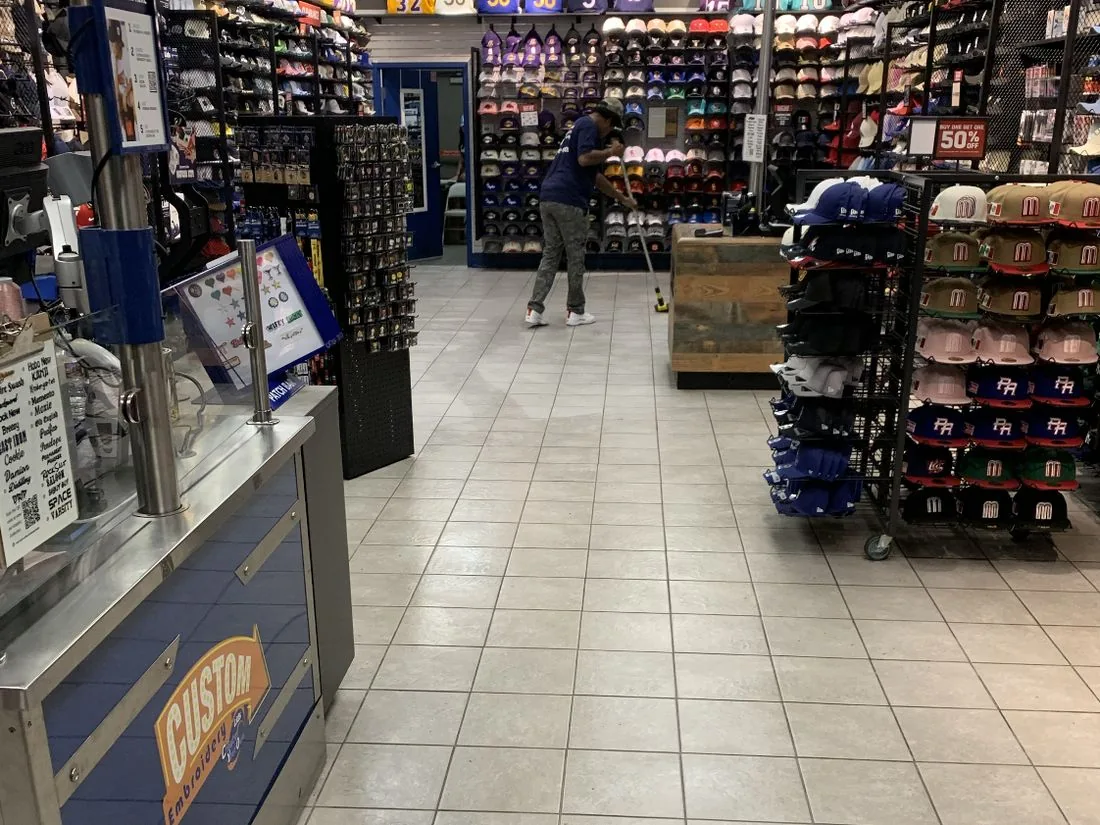
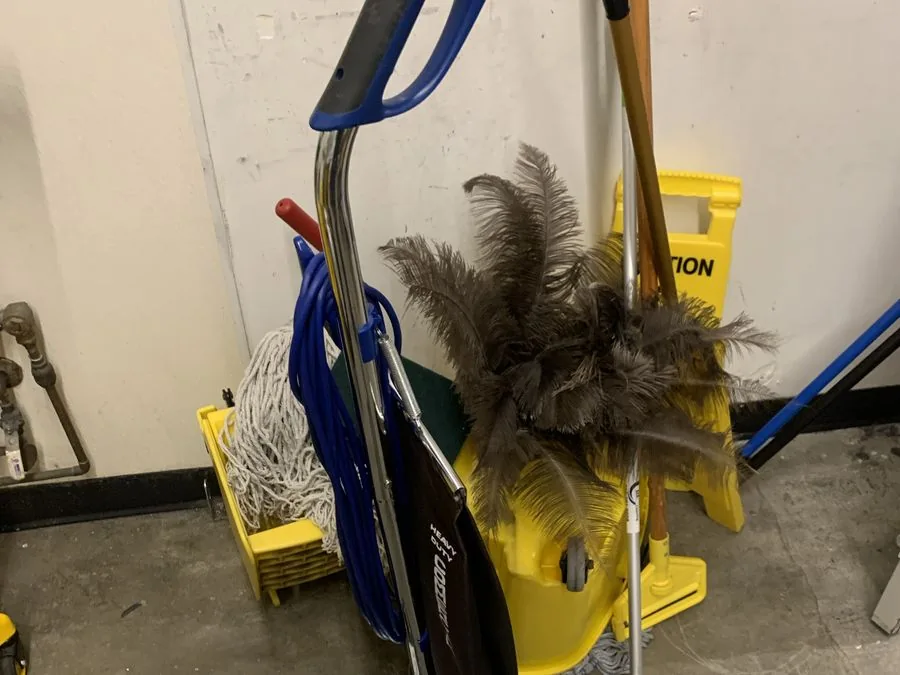
A janitorial scope often includes ordinary waste removal, restroom cleaning, breakroom surfaces, accessible dusting and floor upkeep. The exact list depends on the building. A store may need fitting-room checks and front-door glass attention, while an office may put more work into meeting rooms and shared kitchens.
Recurring service works best with a task frequency beside each item. “Clean restrooms” might be an every-visit duty, while detail work around chair bases happens on a different schedule. The agreement should also say who buys consumables, who handles daytime problems and which rooms the crew can access.

What makes a deep clean different
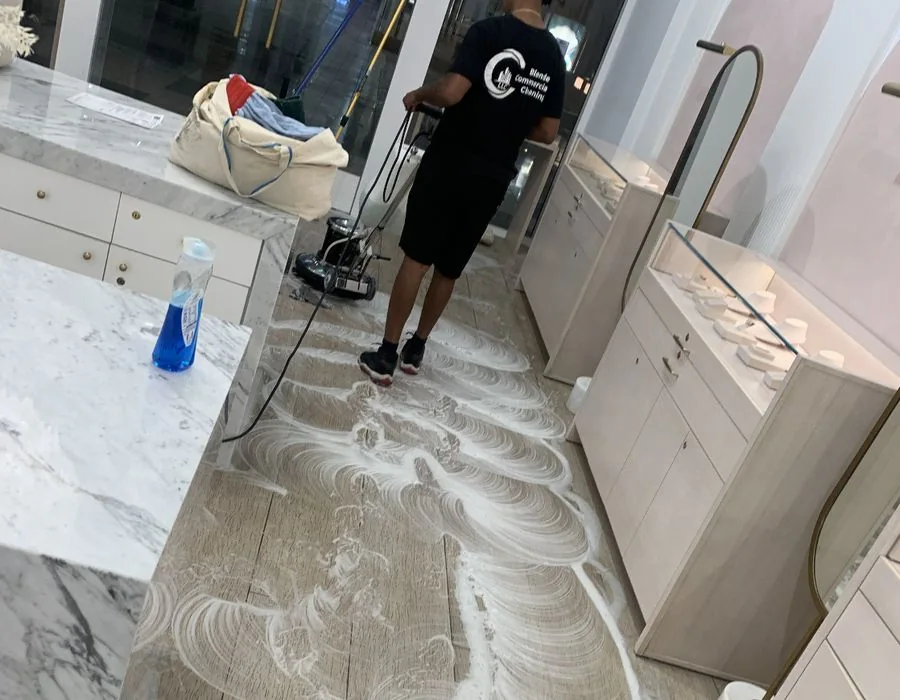
Deep cleaning should describe additional work, not simply a more impressive name for the normal visit. It may focus on buildup along floor edges, detailed cabinet faces, neglected accessible ledges or a full cleaning of emptied rooms. Photos and a walkthrough help identify what can be cleaned and what may be wear or damage.
Specify the material and condition of each surface. A mark on a floor may need a suitable cleaning method, a separate restoration service or an installer’s opinion. Do not accept a blanket promise that a deep clean will remove every stain. A useful quote identifies the expected work and any uncertain result before the job starts.
Compare tasks instead of service labels
Use this comparison to make the scope more precise. The same task can move between columns if a site needs it frequently, so the written schedule should take precedence over the heading on the proposal.
Scroll sideways to see all columns.
| Task | Recurring scope | Possible separate detail work |
|---|---|---|
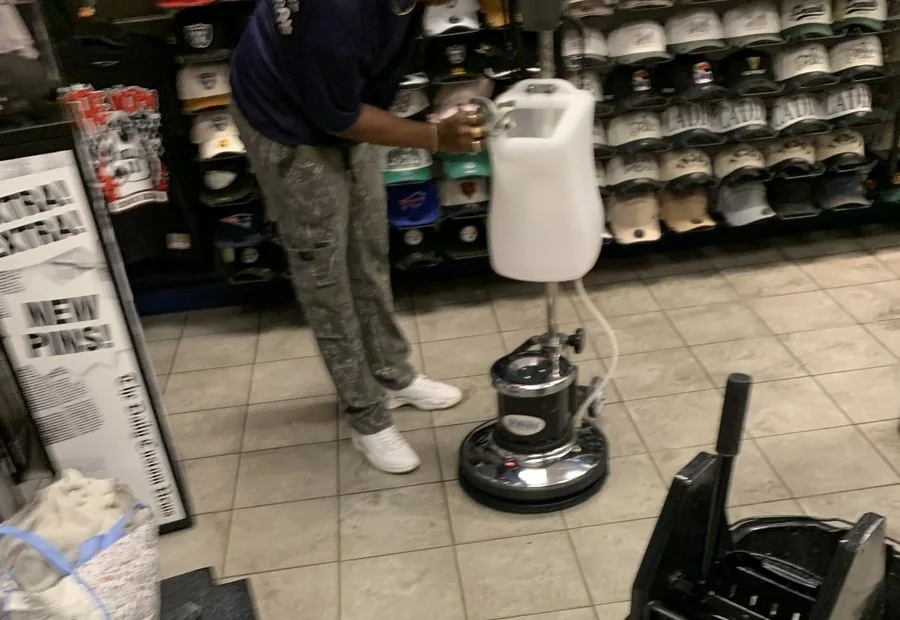
| Floors | Remove loose soil and clean accessible traffic areas | Edges, buildup or separately specified machine cleaning |
| Cabinets | Wipe agreed exterior surfaces | Empty interiors and detailed hinges or ledges where accessible |
| Glass | Remove marks on agreed door or partition areas | Full pane, frame or track cleaning where specified |
| Furniture | Clean authorized, accessible surfaces | Detailed cleaning after items are cleared or safely moved |
| Restrooms | Regular fixtures, counters and floors | Specified buildup or detailed areas outside the routine scope |
When an initial deep clean may be useful
Consider a separate initial scope when a space has been vacant, a cleaning schedule has lapsed or the regular visits have never included certain detail tasks. Starting a new recurring contract does not automatically remove that backlog. Ask the provider to show the existing condition and explain which tasks belong in the first visit.
Another trigger is a change in use. A quiet office becoming a training venue may need a revised routine as well as an initial detail clean. A store changing fixtures may expose floor edges and surfaces that have been hidden for months. Work backward from the change and decide what needs attention while access is available.
Deep cleaning is not a medical or disinfection claim
A more detailed clean does not automatically mean a space has been disinfected or made sterile. CDC distinguishes physical cleaning from product-directed disinfection. If disinfection is requested for an ordinary commercial area, the surfaces, appropriate product and label instructions need to be part of the plan.
Keep the conversation tied to the site and the task. This guide does not cover hazardous-material cleanup, clinical procedures or specialist remediation. If the concern is an unidentified substance, damaged material or a problem outside ordinary cleaning, identify the right service before arranging a routine crew.
Build a recurring plan that does not lose the detail work
After the initial work, decide which tasks belong on a periodic calendar. Give each one a location, frequency or review date, and a person responsible for approval. That is more useful than waiting until the entire space looks overdue for another deep clean.
When contacting Blended, describe whether you need ongoing upkeep, a defined one-time clean or both. Share photos of the main concerns, the approximate area and the time available before staff or customers return. Ask for the scopes to be separated so you can see what each visit is intended to accomplish.
- List the normal every-visit tasks.
- Identify existing buildup and one-time detail work.
- Put future periodic tasks on a calendar.
- Review the plan when occupancy or site use changes.