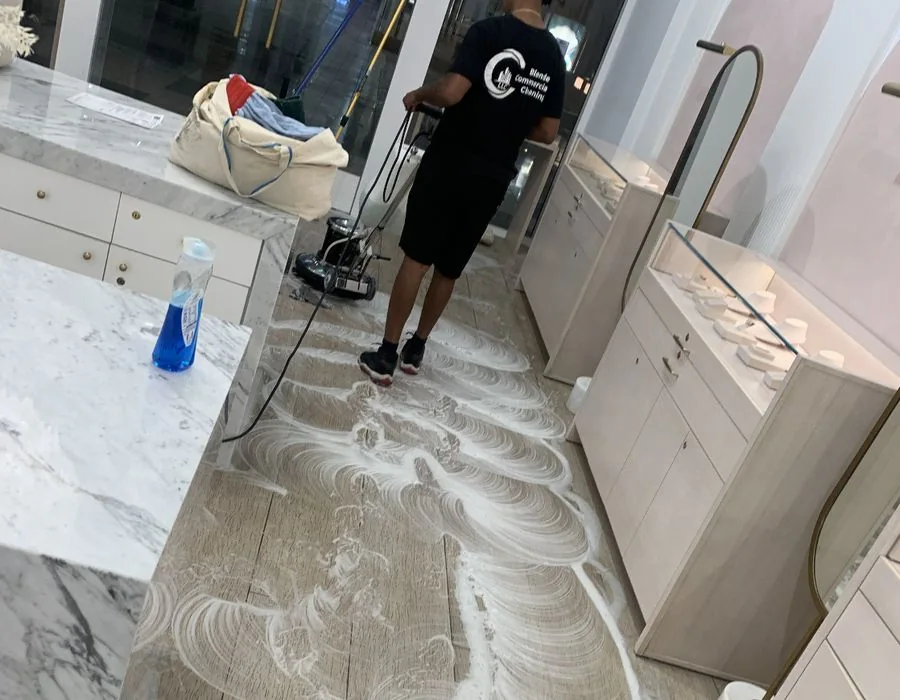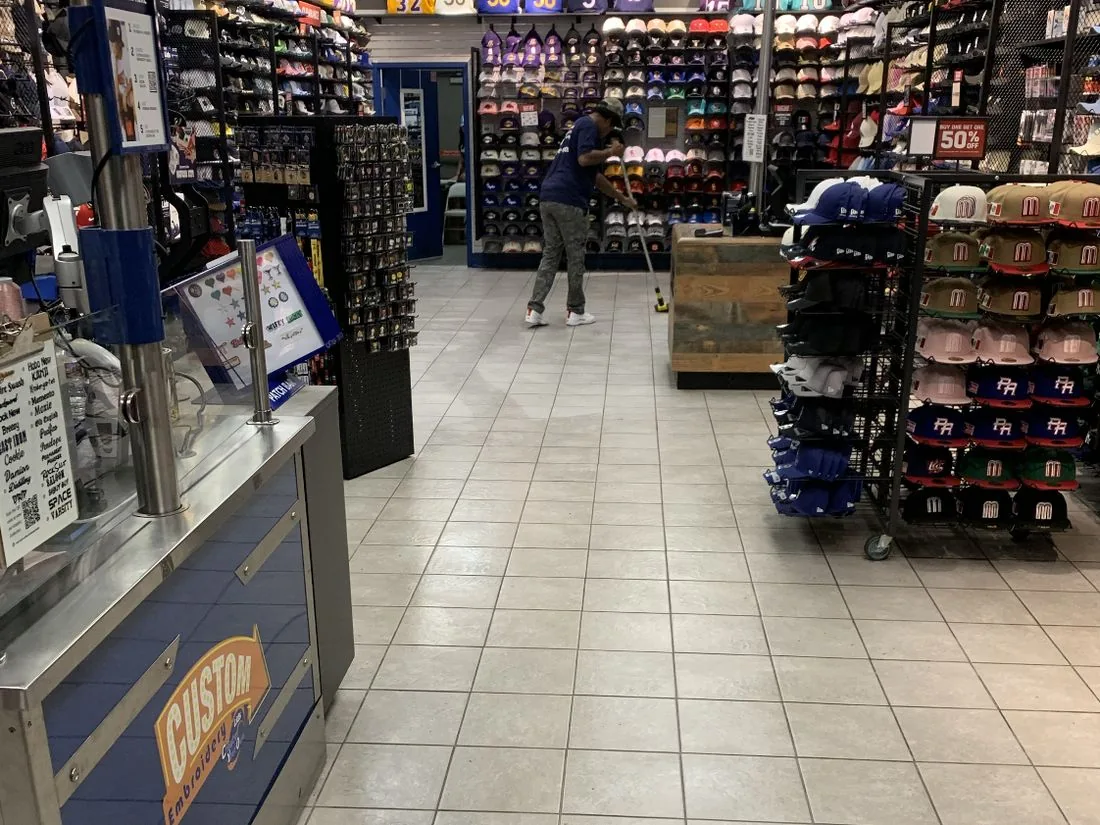
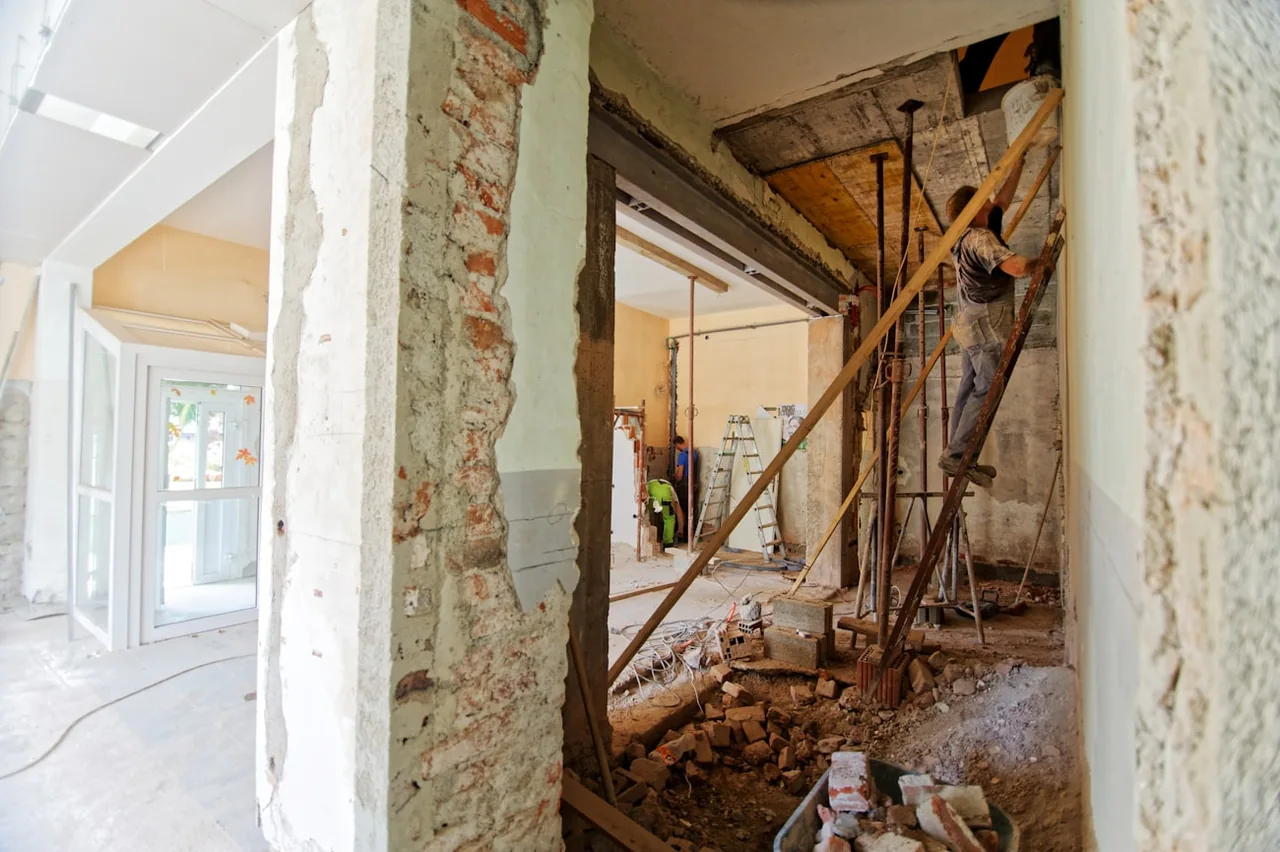
One project can contain several cleaning conditions
Irvine’s Business Complex includes several property uses, while Anaheim’s Platinum Triangle includes office and retail development. Across these Orange County settings, a project may hand over an office, staff facilities and a customer-facing area on different dates. A single building label is not enough to define the final clean.
Give each released area a name that matches the contractor’s plan. An office wing ready for furniture is different from a showroom still receiving fixtures. Record the floor, suite or phase in the cleaning proposal so everyone knows what can be inspected and what is still active construction.

Build the room scope around completed surfaces
The work should follow what has actually been installed and released. Accessible high surfaces and ledges need dust removal before lower surfaces are detailed. Cabinets, restroom fixtures and interior glass may need closer work than open floor area. Describe the residue before assuming it can be removed safely.
- Identify loose debris that must be removed before final cleaning.
- List counters, shelves, cabinets and built-in fixtures by room.
- Specify accessible glazing, frames, tracks and entrance hardware.
- Record floor materials and installer instructions.
- Mark restricted rooms and surfaces still awaiting trade completion.
Scroll sideways to see all columns.
| Walkthrough item | Suggested scope | Preparation or decision |
|---|---|---|
| Released phase | Use the contractor room or phase name in the scope. | Confirm cutting and sanding are finished in that area. |
| Detail-heavy interior | Count glass, cabinets and fixture surfaces as well as area. | Supply photos that show residue and access limits. |
| Return visit | Define which marks or setup residue the touch-up will address. | Record which deliveries happen after the final clean. |
Use rough, final and touch-up stages for different purposes
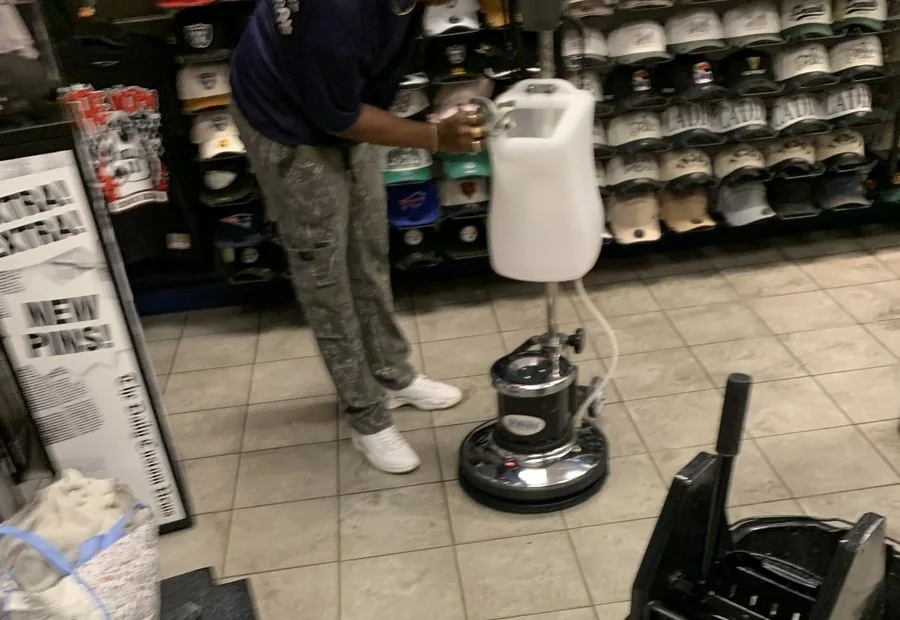
Rough cleaning clears loose residue at an earlier stage and can make the site easier to work in. Final cleaning addresses the finished interior after dust-producing trades are done. A touch-up deals with the limited marks or debris introduced by later setup. These should be separately described if the project needs more than one stage.
Do not use the final cleaning date as a substitute for confirming readiness. If installers are still cutting material in the room, the condition will change again. Ask the site lead to release areas and identify the route equipment and deliveries will use after cleaning.
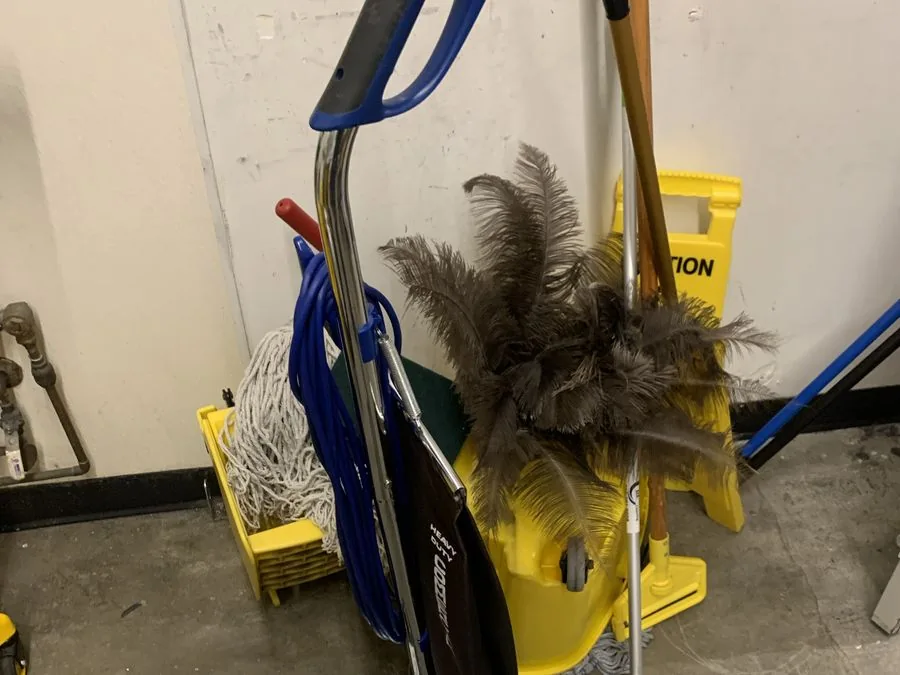
Make a multi-site or phased quote comparable
For several Orange County properties, provide a room sheet for each address. Include square footage, floor finishes, glass access, restroom count and remaining trade work. The same area total can conceal very different amounts of cabinetry or detail glass.
Ask the quote to identify travel between separate properties, return visits, access arrangements and any work that needs separate assessment. If the contractor changes the release sequence, update the area list before cleaning is confirmed. That is more useful than relying on a single completion date for several unfinished spaces.
Prepare for the owner walkthrough
Choose a contact who can review the completed scope and distinguish cleaning items from installation defects. Record marks or damaged finishes before they become confused with cleaning residue. Confirm that lighting, water and access will be available for the visit.
Send Blended the exact Orange County address, current photos, target handover and requested stages. Coverage, condition and scheduling are reviewed for the specific project before an arrangement is agreed.