Commercial fit-outs with more than one installation schedule
Burbank’s economic development plan identifies its Media District, Downtown and other commercial districts. A workplace in those settings may have ordinary offices next to rooms with specialized equipment. The cleaning request should describe the actual uses and access restrictions rather than assume every room is a standard office.
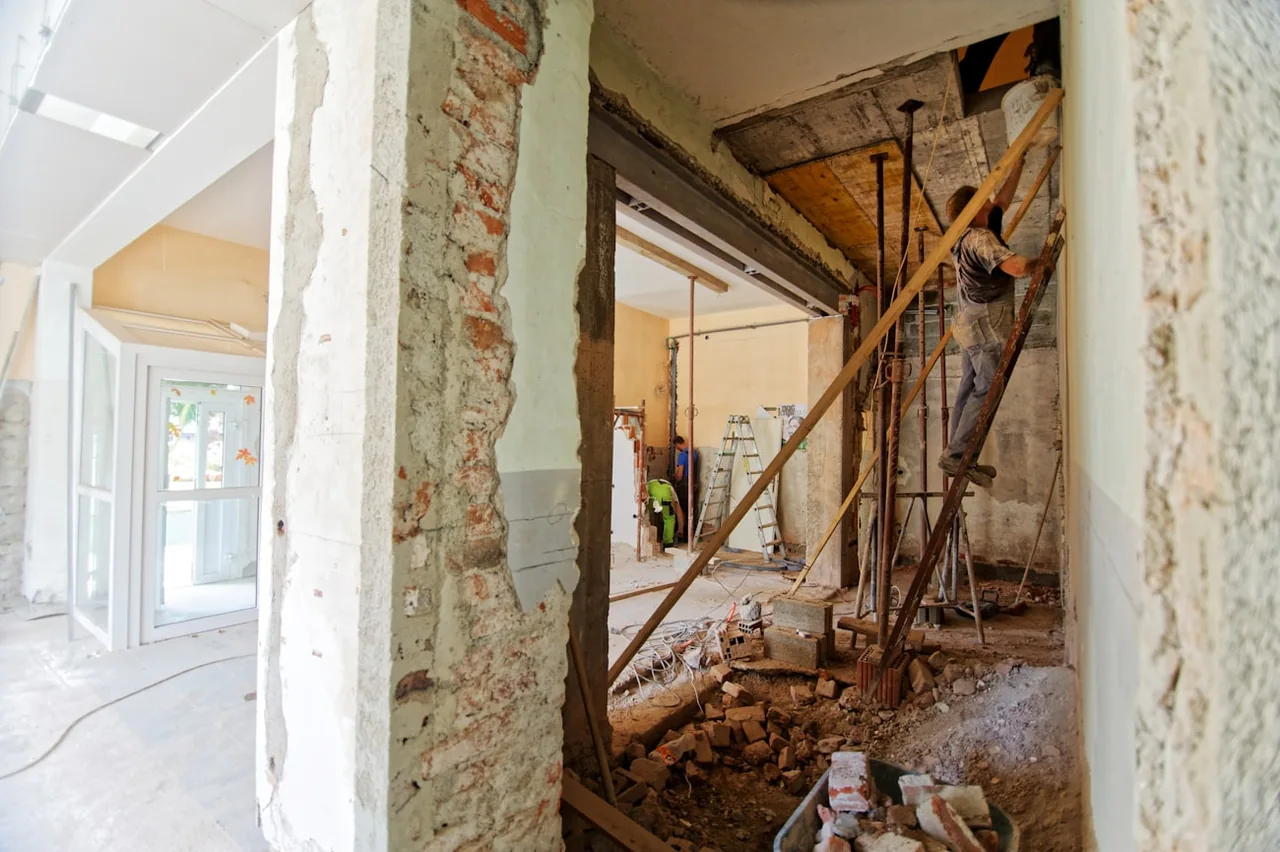
Ask the site lead when each installation team finishes. Construction, cabling, furniture assembly and equipment setup can happen on different days. A useful final-clean plan makes those dates visible and states which areas are released for cleaning before anything sensitive is moved in.
Clean the surfaces that will be difficult to reach later
Clear rooms provide access to floor edges, built-in cabinetry and the area around fixed fixtures. List those tasks before workstations and storage units arrive. If equipment is already in place, identify safe access and the surfaces that remain available; moving technical equipment should never be assumed.
- Remove loose dust from accessible ledges, door frames and baseboards.
- Detail empty cabinet interiors and clear built-in shelves where specified.
- Clean counters, kitchenette fixtures and restroom surfaces.
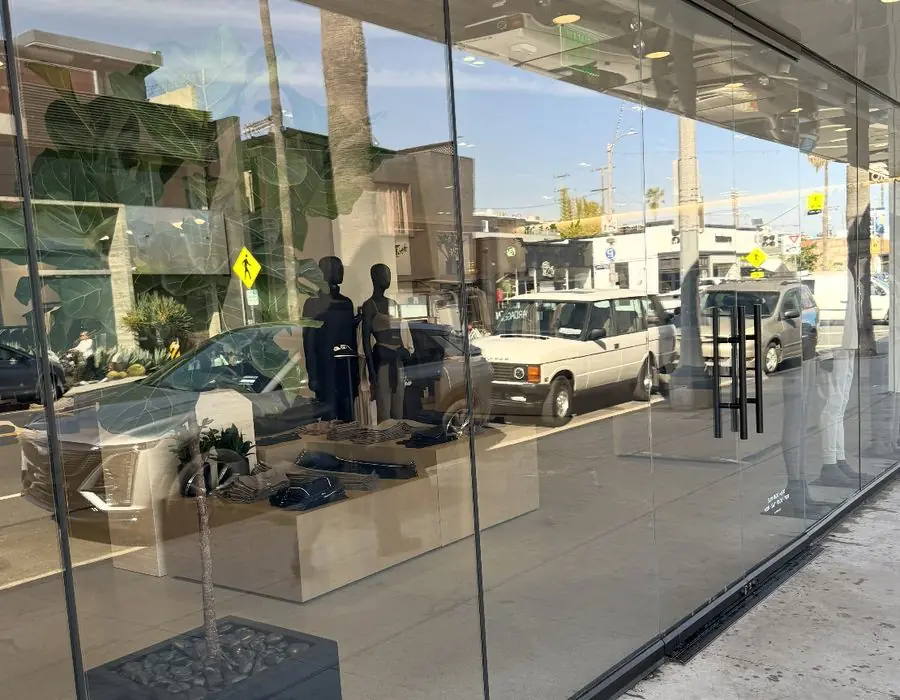
- Clean agreed interior glazing, frames, door handles and mirrors.
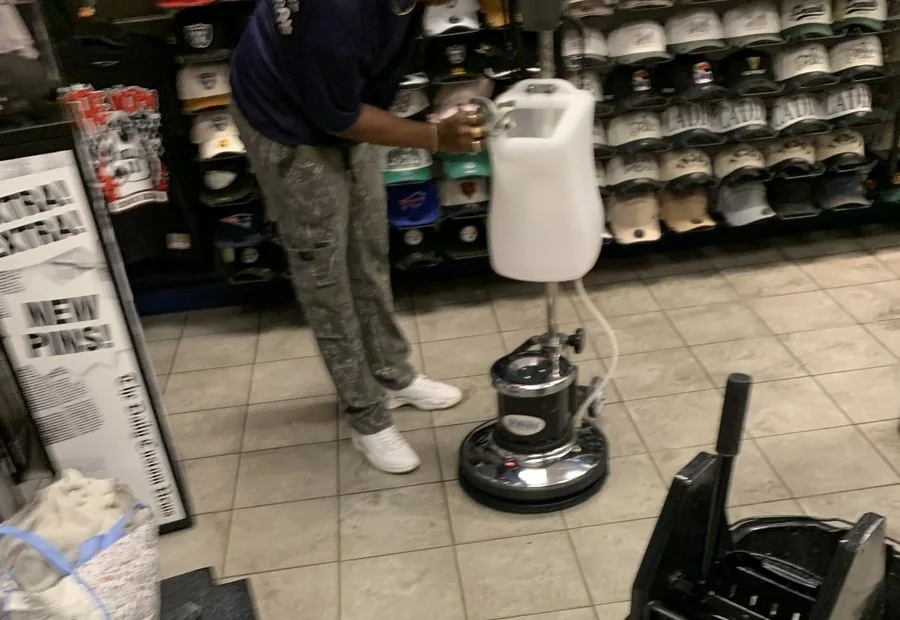
- Vacuum and clean finished floors according to the material and access.
Scroll sideways to see all columns.
| Walkthrough item | Suggested scope | Preparation or decision |
|---|---|---|
| Before equipment arrival | Detail released floors, cabinet interiors and clear ledges. | Use the installation schedule to preserve access. |
| Exposed technical area | Mark equipment and installer-controlled boundaries. | Name the contact who can change or release the restriction. |
| Protection and finish marks | Show labels, film and affected materials in close photos. | Confirm what protection must remain for later deliveries. |
Keep the cleaning scope separate from technical work
Ordinary commercial final cleaning does not include commissioning equipment, opening electronics or treating specialized room interiors without an assessment. Mark exposed equipment, restricted rooms and any installer-controlled area. The cleaning contact should know who can release access if conditions change.
For an occupied portion of the workplace, explain whether people will still be working during the visit. Dust removal, equipment staging and floor cleaning need a practical sequence that keeps active work separate from the area being handed over.
Assess construction marks before removal
Protective film, labels, adhesive and paint spots can need different methods depending on the finish. Provide installer instructions for glass, flooring and decorative surfaces. Record visible scratches or damaged coatings with the site contact before cleaning begins.
If a material is still curing or protection must remain until delivery day, note that in the room list. The final-clean scope should not ask a cleaner to remove protection that the contractor intends to keep. Any later detailing can be discussed as a separate touch-up stage.
Arrange a Burbank handover review
Send the address, approximate area, room uses, current photos, floor types and glass access. Include the remaining trade schedule, equipment delivery plan and target owner walkthrough. Explain service-door, lift or parking restrictions that affect entry.
Blended can discuss the requested cleaning stages and identify the readiness conditions before a date is confirmed. At completion, use the same room list to review cleaning items and keep installation defects on the contractor’s list.